
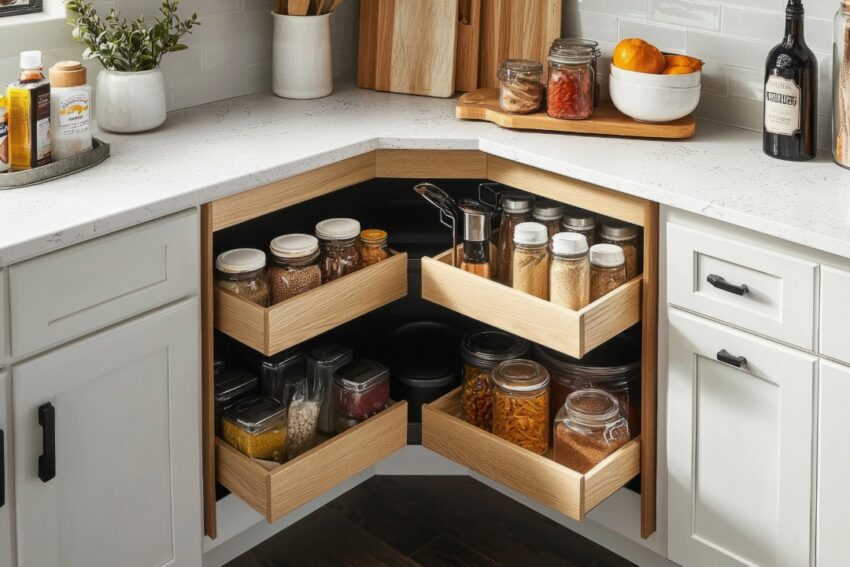
Simple Kitchen Cabinet Design Services focus on creating practical, attractive, and easy-to-maintain cabinetry for modern kitchens. A simple cabinet design does not mean sacrificing functionality. With the right layout, storage planning, materials, hardware, and finishes, homeowners can create a kitchen that looks clean while providing convenient storage for cookware, groceries, appliances, crockery, and everyday essentials.
A relevant second keyword from your approved blog-title list is Best Materials for Modular Kitchen Cabinets Explained, taken directly from the title “Best Materials for Modular Kitchen Cabinets Explained.” Material selection is an important part of kitchen cabinet design because the right material can influence durability, appearance, maintenance, and overall project cost. Current kitchen design services commonly consider cabinet materials, finishes, hardware, storage, and layout together when developing a kitchen.
What Are Simple Kitchen Cabinets?
Simple kitchen cabinets generally feature clean lines, practical storage, minimal decoration, and easy-to-maintain finishes.
They can be customized according to the kitchen’s dimensions and the homeowner’s storage requirements.
Efficient Layout Planning
The cabinet arrangement should support a comfortable cooking workflow.
The sink, hob, refrigerator, preparation area, and storage should be positioned logically to reduce unnecessary movement.
Base Cabinets
Base cabinets provide storage below the countertop.
They can accommodate drawers, shelves, cookware storage, waste bins, and specialized organizers.
Wall Cabinets
Wall-mounted cabinets make use of vertical space without occupying additional floor area.
They are useful for storing plates, glasses, containers, and frequently used kitchen items.
Tall Cabinets
Tall units can provide additional storage for groceries, appliances, cleaning supplies, and pantry items.
They are particularly useful when floor space is limited.
Open Shelves
A few open shelves can provide quick access to frequently used items and create visual interest.
They can also make a simple kitchen feel more open.
Drawer Storage
Drawers can be planned according to the items being stored.
Shallow drawers can accommodate cutlery and accessories, while deeper drawers can hold cookware and containers.
Corner Storage
Corners can be difficult to access in conventional kitchens.
Proper cabinet planning can incorporate corner shelves or specialized corner mechanisms to make better use of the available area.
Material Selection
The principles in Best Materials for Modular Kitchen Cabinets Explained are particularly relevant when choosing cabinet construction materials.
Options can include plywood, MDF, HDF/HMR boards, laminates, acrylic, veneer, and other engineered materials. The appropriate choice depends on moisture exposure, structural requirements, finish preference, maintenance, and budget.
Laminate Finishes
Laminate is a practical option for simple kitchen cabinets.
It is available in numerous colours, textures, and wood-effect patterns, allowing homeowners to achieve a clean appearance at different budget levels.
Acrylic Finishes
Acrylic can provide a smooth and contemporary appearance.
It is suitable for homeowners who prefer glossy surfaces and modern kitchen aesthetics.
Veneer Finishes
Veneer provides a natural wood appearance.
It can be used when a warmer and more premium visual effect is preferred.
Hardware
Hinges, drawer channels, handles, and soft-close mechanisms influence the everyday performance of kitchen cabinets.
Reliable hardware can make cabinets easier and smoother to operate.
Handleless Cabinets
Handleless designs can create a minimalist appearance.
Push-to-open mechanisms or integrated profiles can reduce visual clutter.
Easy-to-Maintain Design
Kitchen cabinets are exposed to cooking fumes, moisture, dust, and food particles.
Smooth and durable finishes can make routine cleaning easier.
Lighting
Cabinet lighting can improve visibility and enhance the appearance of a simple kitchen.
Under-cabinet LED lighting is particularly useful for illuminating work surfaces.
Small Kitchen Cabinets
Compact kitchens benefit from vertical storage, tall cabinets, wall units, corner solutions, and multifunctional drawers.
Every cabinet should have a clear purpose to avoid wasting valuable space.
Large Kitchen Cabinets
Larger kitchens can accommodate additional pantry units, display cabinets, islands, and extensive storage.
The design should still maintain comfortable circulation.
Appliance Integration
Cabinet layouts should account for refrigerators, ovens, microwaves, dishwashers, hobs, and chimneys before manufacturing begins.
Accurate appliance dimensions help prevent installation problems.
3D Visualization
A 3D design allows homeowners to see the proposed cabinet layout before production.
Colours, materials, storage arrangements, appliances, and lighting can be reviewed in advance.
Professional Installation
Correct installation is essential for cabinet alignment, countertop fitting, hardware operation, and overall appearance.
Choosing a Design Service
When selecting Simple Kitchen Cabinet Design Services, consider:
- Design experience
- Material options
- Cabinet customization
- Hardware quality
- Storage planning
- 3D visualization
- Manufacturing capabilities
- Installation support
- Transparent pricing
- After-sales service
Conclusion
Simple Kitchen Cabinet Design Services can create clean, practical, and organized kitchens by combining efficient layouts, suitable materials, useful storage, reliable hardware, and easy-to-maintain finishes. The objective is to create cabinetry that supports everyday cooking without unnecessary complexity.
The second keyword Best Materials for Modular Kitchen Cabinets Explained was selected directly from your approved blog-title list because material selection is a key factor in creating durable and functional kitchen cabinets.