
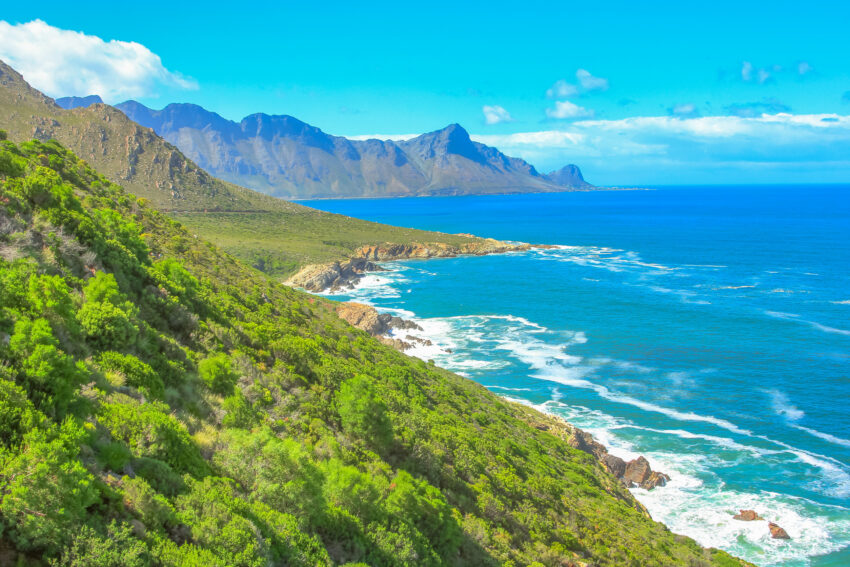
The relationship between Japan and South Africa is becoming stronger day-in, day-out based on the world-class sushi of Tokyo and world-class safaris of Kruger National Park. When you are planning to visit the Japanese to the so-called Rainbow Nation, it is important to learn about the current visa and entry policies that will make your trip a success.
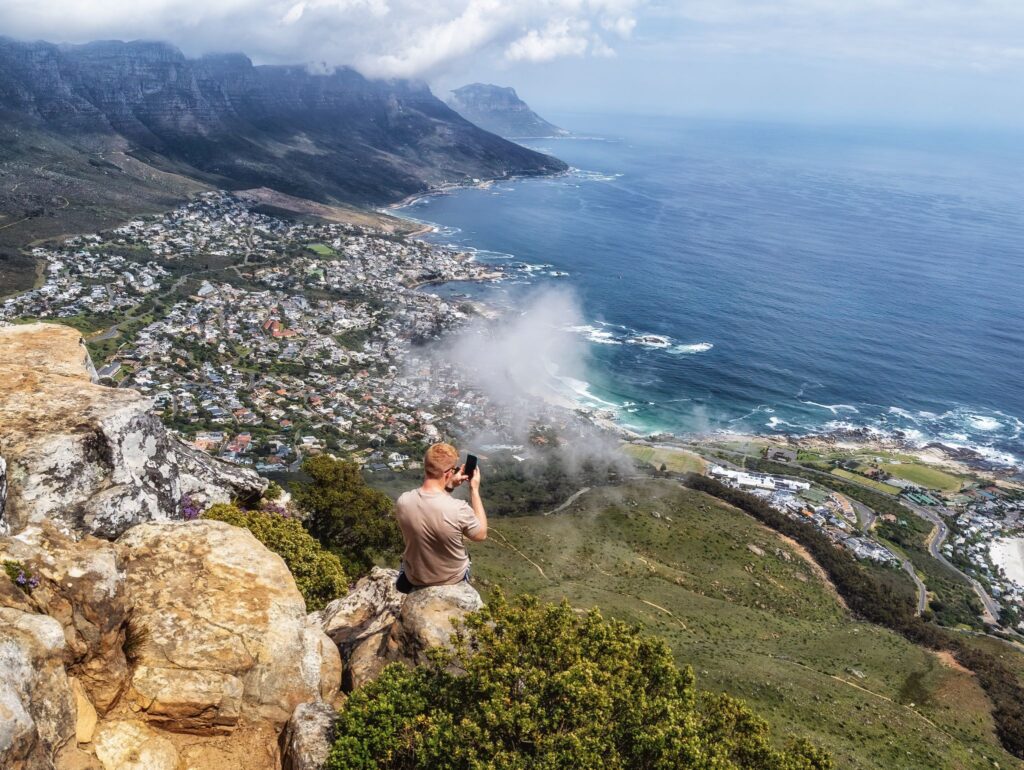
This guide will disaggregate all the information Japanese citizens and residents should know about the eVisa system and traveling requirements ,South Africa eVisa for Japanese Citizens.
Do Japanese Citizens Need a Visa for South Africa?
The great news for Japanese travelers is that South Africa maintains a visa-exempt status for Japan. Japanese passport holders do not need a visa for visits of up to 90 days for tourism or business.
However, you may still need to apply for a South Africa eVisa if:
- You plan to stay longer than 90 days.
- You are a resident of Japan but hold a passport from a country that is not visa-exempt.
- You are traveling for specific purposes like long-term study or specialized work.
How Do I Apply for a South Africa Business eVisa?
If you are traveling for work-related reasons beyond simple meetings—such as attending trade fairs, exhibitions, or technical consultations—you can apply for a Business eVisa. In addition to standard documents, you will need a formal invitation letter from the South African company you are visiting, detailing the nature of your business and the duration of your stay.
What are the Document Requirements for Japanese Applicants?
To ensure a successful South Africa Tourist Visa application, you must provide high-quality scans of:
- Japanese Passport: Must be valid for at least 30 days after your intended exit, with at least two blank pages.
- Digital Photo: A recent passport-sized color photo against a white background.
- Evidence of Funds: Bank statements showing the past 3 months to indicate that you are able to sustain yourself.
- Flight Itinerary: Confirmed return or onward ticket.
- Evidence of Accommodation: Hotel reservation or an invitation letter of a South African host.
Can I Change My Arrival Airport After My eVisa is Approved?
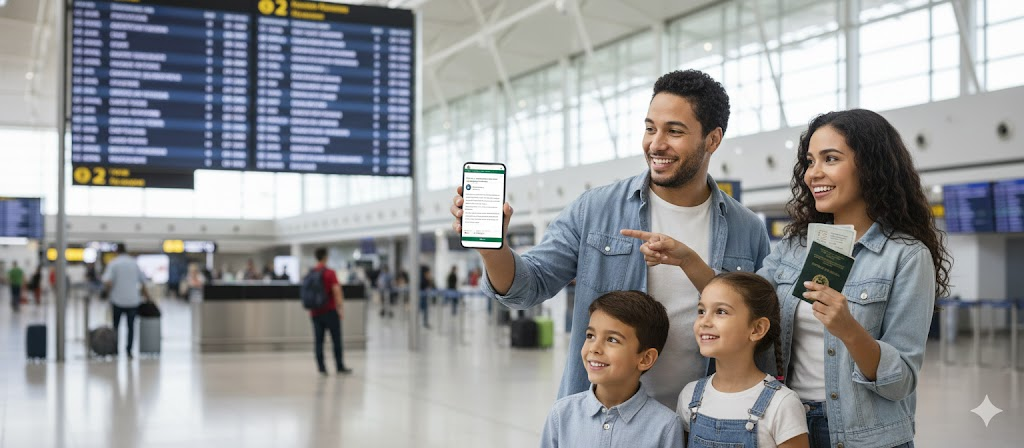
Yes, you generally can. Your arrival airport is the school of thought that is considered as a statement of intent. The eVisa is accepted and attached to your passport once it is approved and then you can travel into South Africa at any one of its official ports of entry which include OR Tambo (Johannesburg), Cape Town International or King Shaka (Durban). You do not have to repurchase in case you change your flight path.
How Long Does it Take to Process a South Africa eVisa?
If you are applying for a visa (rather than using the 90-day exemption), timing is crucial. The standard processing time is generally 30 to 35 working days.
Because applications are reviewed thoroughly by the Department of Home Affairs, we recommend submitting your application at least 8 weeks before your departure. Early planning ensures that any requests for additional documents don’t delay your flight.
How Much Does the South Africa eVisa Cost?
The total South Africa e-Visa Cost involves two main components:
- The Government Fee: This is the application fee of the visa itself.
- The Service Fee: This is the fee on using a professional agent such as sa-evisa.com, which includes verification of the documents, management of the applications, and 24/7 services. Critical: A majority of the visa fees are not refundable regardless of the application refusal.
What are the Requirements for Minors (Under 18) Traveling to South Africa?
South Africa has strict rules for children to prevent child trafficking. Even if visa-exempt, minors must carry:
- Unabridged Birth Certificate: A copy showing both parents’ names (translated into English).
- Consent Affidavit: If a child is traveling with only one parent, a legal affidavit from the non-traveling parent is required.
How Much Cash Should I Carry and Can I Use Credit Cards?
South Africa is a leader in digital payments.
- Credit Cards: Visa and Mastercard are accepted almost everywhere, including small cafes.
- Cash to Carry: While you can pay by card most of the time, we recommend carrying around R500 to R1,000 (ZAR) in cash for small tips, markets, or in case of card machine issues.
- ATMs: You can easily withdraw South African Rand (ZAR) from ATMs using your Japanese debit or credit card (ensure you have “International Withdrawal” enabled).
Can I Apply for a South Africa eVisa as a Group or Family?
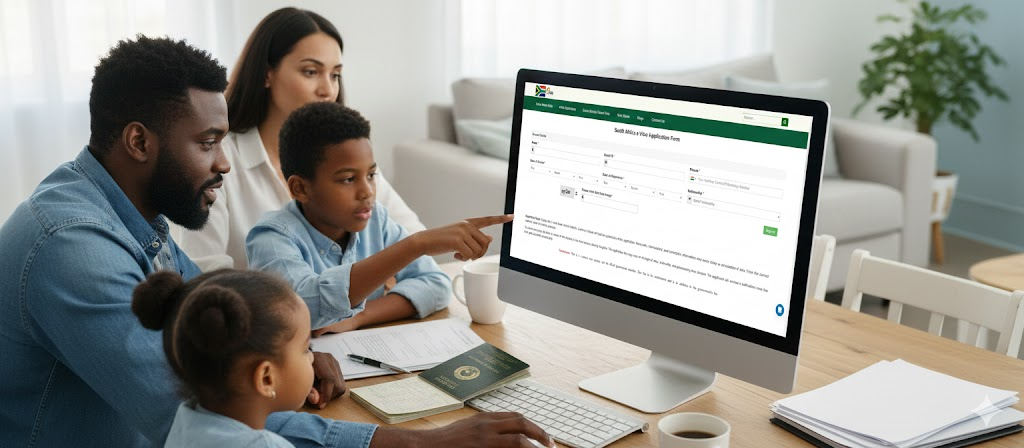
Yes. In case you are going as a family or you have a group of colleagues, you can together process your applications. When hiring the services of a professional company such as sa-evisa.com, you can handle as many applications as you like using one profile and you are sure that the rest of the documentation will be uniform and submitted simultaneously.
Which Ride-Hailing Apps and Transport Options are Best?
For tourists, safety is paramount.
- Ride Apps: Uber and Bolt are widely available in cities like Cape Town, Johannesburg, and Durban. They are generally safer and more transparent in pricing than flagging a street taxi.
- Gautrain: This high-speed rail is a safe and efficient way to travel between the airport, Sandton, and Pretoria.
How Do I Use an International Driving Permit in South Africa?
Like Japan, South Africans drive on the left side of the road.
- The Rule: To rent a car or drive, you must have your valid Japanese license and an International Driving Permit (IDP) issued in Japan.
- The Process: You can obtain your IDP at your local Japanese police station or driver’s license center before you leave. Without the IDP, rental agencies will not release the car to you.
Is High-Speed Internet and Wi-Fi Readily Available?
Yes, most hotels and guest houses offer free high-speed Wi-Fi.
- Mobile Data: We suggest buying a local SIM card (Vodacom or MTN) or an eSIM upon arrival at the airport.
- Note on Load Shedding: South Africa sometimes experiences “load shedding” (scheduled power outages), which can temporarily affect Wi-Fi. Having a mobile data plan ensures you stay connected during these times.
What are the Hotel and Accommodation Rules for Tourists?

When checking into a hotel in South Africa, there are a few standard rules:
- Identification: You must present your original passport. Hotels are legally required to keep a record of your passport details.
- Tourism Levy: A small tourism levy (usually around 1%) is often added to your bill to support local conservation and tourism efforts.
- Check-in Time: Standard check-in is usually 2:00 PM, and check-out is 10:00 AM or 11:00 AM.
Why Should You Choose sa-evisa.com for Your Application?
Applying through the government portal can be technically difficult. sa-evisa.com provides a premium support service:
- Expert Document Review: We check your documents for errors that lead to rejection.
- Fast-Track Options: We offer rush processing for urgent trips.
- 24/7 Assistance: Our support team is available via chat and email to guide you through every step.
- Simplified Payment: We handle the complex government payment systems for you.
Is it possible to work in South Africa on a Tourist eVisa?
No. It is by all means forbidden to be involved in any kind of paid work or occupation when on a visitor visa or 90-day exemption. In case you want to get a job, enter a certain type of work Visa in the South African Embassy in Tokyo.