

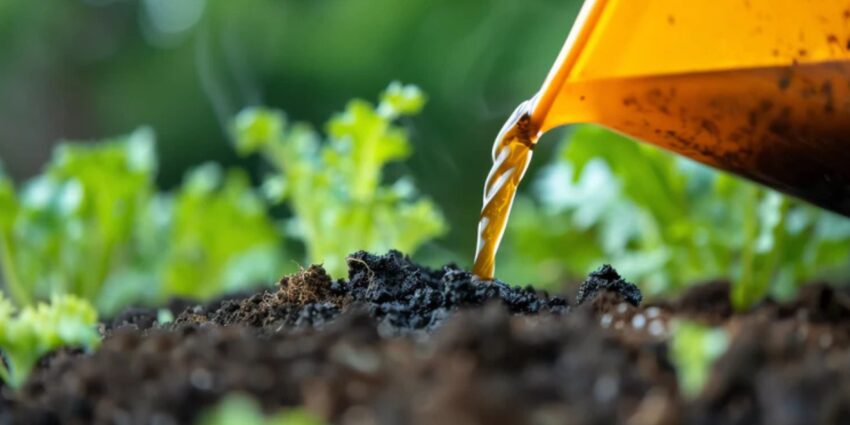
Healthy soil is like a strong foundation for a house. If the soil is weak, plants struggle to grow. Over time, crops become smaller, and gardens lose their glow. That is why many growers are turning to microbial inoculants for soil. These tiny helpers work underground to keep soil alive and active. They support plants today and protect the soil for tomorrow.
This is not magic. It is nature doing its thing, just with a little help.
Let us explore how these microbes work and why they matter in the long run.
What Are Microbial Inoculants? Small Stuff With Big Power
Microbial inoculants are living microorganisms added to soil or seeds. These include good bacteria and fungi. They already live in healthy soil, but sometimes their numbers drop.
When soil gets tired from chemicals or overuse, microbes disappear. Inoculants help bring them back.
Think of them as soil helpers. They eat. They grow. They work nonstop. And plants love them.
Why Living Soil Is a Big Deal
Soil is not just dirt. It is alive. Healthy soil is full of life that helps plants grow.
Microbes break down organic matter. They release nutrients. They help roots breathe.
When soil loses life, it becomes hard and dry. Water runs off. Roots struggle.
Adding microbes brings soil back to life. Over time, soil becomes soft, dark, and full of energy again.
Feeding the Soil First Pays Off
Many fertilizers feed plants fast. But they do not help the soil much.
Microbial inoculants work differently. They feed the soil first.
Microbes unlock nutrients stuck in the ground. They turn them into food plants can use. This includes nitrogen and phosphorus.
Plants take what they need. Nothing goes to waste.
Over time, soil becomes better at feeding plants on its own. That means fewer inputs later. Less cost. Less stress.
Roots Get Stronger, No Joke
Roots are the plant’s lifeline. Strong roots mean strong plants.
Some microbes stick to roots and help them grow longer. Others help roots branch out.
This gives plants more access to water and nutrients.
Over the years, plants grow tougher. They handle heat better. They deal with drought better.
Healthy roots make plants steady and strong.
Soil Structure Improves Over Time
Here is something cool.
Microbes help soil stick together in a good way.
They make natural glue-like substances. These hold soil particles together and form tiny clumps.
These clumps create air spaces. Water moves better. Roots grow freely.
Soil becomes crumbly, not packed tight.
Over time, erosion slows down. Soil stays where it belongs. That makes a big difference season after season.
Water Use Gets Smarter
Water is precious. Healthy soil uses water better.
Microbes help soil hold moisture longer. They increase organic matter.
This means plants stay hydrated longer during dry times.
At the same time, extra water drains away during heavy rain.
This balance protects roots and saves water in the long run.
Less Need for Harsh Chemicals
Chemical fertilizers and sprays can work fast. But they can hurt soil life.
Microbial inoculants reduce the need for harsh inputs over time.
Good microbes crowd out bad ones. They protect roots from disease.
Some even help plants defend themselves naturally.
As soil health improves, disease pressure drops. Nutrient use improves.
Growers often cut back on chemicals slowly and safely.
Better Yields That Last
Quick fixes give quick results. But they fade.
Microbial inoculants focus on long-term success.
As soil improves, crops grow more evenly. Yields become stable.
Even during tough seasons, plants perform better.
That kind of steady growth helps farmers and gardeners plan ahead with confidence.
Helping Nature Do Its Job
Microbial inoculants work well with natural practices.
They support compost. They boost cover crops. They help organic matter break down faster.
They fit right into sustainable and regenerative systems.
Over time, soil becomes self-supporting.
Nature starts doing more of the work. Humans do less.
That is a smart trade.
Soil Gets Better Each Year
One of the best benefits is this.
Soil improves with time instead of getting worse.
With regular microbial support, soil becomes richer and more balanced.
Life returns underground. Diversity increases.
Fields and gardens that once struggled begin to thrive.
And once soil health is back, it is easier to keep.
Why This Matters for the Future
Healthy soil feeds people. It protects water. It supports ecosystems.
Microbial inoculants help build soil that lasts for generations.
They help growers care for the land instead of wearing it out.
That is important for the future of farming and gardening.
Did You Know?
Just one teaspoon of healthy soil can contain billions of tiny microbes working nonstop to support plant growth. These beneficial bacteria and fungi, known as microbial inoculants for soil, help unlock nutrients, improve root growth, and protect plants from harmful pathogens. Over time, they also improve soil structure, water retention, and nutrient cycling, making soil more resilient and self-sufficient. Using these tiny helpers regularly can reduce the need for chemical fertilizers and pesticides, boost long-term crop yields, and create a thriving underground ecosystem that keeps your garden or farm healthy for years.
Conclusion
Soil health does not happen overnight. It takes time and care.
Microbial inoculants support soil naturally. They improve structure. They boost roots. They unlock nutrients.
Over time, soil becomes more alive and productive. Plants grow stronger with less effort.
This natural approach helps reduce chemicals and supports long-term success.
In the end, healthy soil becomes a natural fertilizer for plants, working quietly beneath the surface and supporting growth for years to come.