
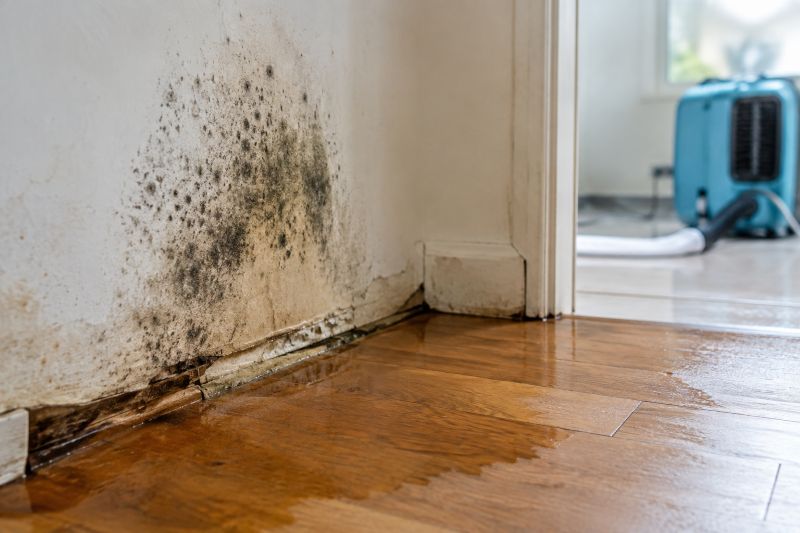
Water damage rarely ends when the visible water disappears. A soaked carpet, damp drywall, or wet wooden framing can create the ideal conditions for mold growth much sooner than many homeowners realize. Even a small leak behind a wall can become a serious problem if moisture remains trapped for days.
For property owners in Hawaii, the risk is even greater because warm temperatures and high humidity naturally support mold development. Whether the water damage comes from heavy rain, burst pipes, appliance leaks, or storm flooding, acting quickly can help reduce repair costs and protect indoor air quality.
If you need Kaua’i HI Water Damage Repair, understanding how quickly mold develops can help you make informed decisions that protect both your property and your family’s health. Eco Kauai Services has years of experience helping homeowners respond to water emergencies before minor moisture becomes a much larger restoration project.
Why Mold Grows So Quickly After Water Damage
Mold is a naturally occurring fungus that reproduces through microscopic spores. These spores exist almost everywhere, both indoors and outdoors. Under normal conditions, they remain inactive. Once moisture becomes available, however, mold begins growing rapidly.
Several factors contribute to fast mold development:
- Warm indoor temperatures
- High humidity
- Organic building materials
- Poor ventilation
- Standing water
- Hidden moisture inside walls and ceilings
Materials such as drywall, insulation, wood framing, ceiling tiles, carpet padding, paper products, and upholstery all provide nutrients for mold colonies once they become wet.
In Hawaii’s tropical climate, these conditions often exist year-round, making rapid drying even more important.
How Fast Can Mold Actually Grow?
Many homeowners assume mold takes weeks to appear. In reality, growth often begins much sooner.
Within 24 to 48 Hours
Scientific studies consistently show mold can begin developing within 24 to 48 hours after water damage if moisture remains.
Although mold may not yet be visible, spores begin attaching to damp materials and start colonizing.
After 48 to 72 Hours
Small colonies become established.
At this stage, mold often starts producing:
- Musty odors
- Small discoloration
- Airborne spores
- Minor surface staining
Hidden mold inside wall cavities may already be spreading despite clean-looking surfaces.
One Week Later
After seven days, mold growth may become widespread if drying never occurred properly.
Damage can include:
- Large wall stains
- Carpet contamination
- Damaged insulation
- Warped drywall
- Structural wood deterioration
Professional remediation usually becomes significantly more extensive at this point.
Why Kaua’i Homes Face Higher Mold Risks
Living on Kaua’i offers beautiful scenery but also unique moisture challenges.
Several environmental conditions increase mold risks:
High Humidity
Relative humidity often stays above the ideal indoor range.
When moisture from a leak combines with naturally humid air, drying becomes much slower.
Frequent Rainstorms
Heavy rainfall can introduce water through:
- Roof leaks
- Windows
- Doors
- Foundation cracks
Storm-related water damage frequently affects multiple rooms simultaneously.
Ocean Air
Salt-laden coastal air increases moisture exposure for many homes, especially those located near the shoreline.
This constant humidity makes thorough drying especially important after any water intrusion.
Types of Water Damage That Lead to Mold
Not all water damage begins with major flooding.
Some of the most common causes include:
Plumbing Leaks
Slow pipe leaks hidden beneath sinks or behind walls often remain unnoticed for weeks.
These situations commonly produce severe mold because moisture remains trapped.
Roof Leaks
Damaged roofing materials allow rainwater to soak attic insulation, ceiling drywall, and framing.
Since these areas are rarely inspected daily, mold often develops unnoticed.
Appliance Failures
Water heaters, washing machines, refrigerators, and dishwashers may leak unexpectedly.
Even small amounts of water can spread beneath flooring.
Air Conditioning Problems
Condensation drain clogs and HVAC leaks create ideal mold conditions around ceilings and walls.
Storm Flooding
Flash floods and severe storms introduce large volumes of water that quickly saturate porous materials.
Professional drying becomes essential immediately afterward.
Where Mold Usually Appears First
Mold doesn’t always grow where water is obvious.
Common hidden locations include:
- Behind drywall
- Under carpeting
- Beneath laminate flooring
- Inside insulation
- Behind cabinets
- Crawl spaces
- Attics
- Around HVAC systems
- Under bathroom flooring
- Behind wallpaper
Professional moisture detection equipment often identifies these hidden wet areas before mold becomes visible.
Early Signs You May Already Have Mold
Recognizing mold early can reduce repair costs significantly.
Watch for these warning signs:
Persistent Musty Odors
A damp, earthy smell often appears before mold becomes visible.
Discoloration
Dark, green, brown, or black spots may develop on:
- Walls
- Ceilings
- Baseboards
- Wood trim
Peeling Paint
Moisture trapped beneath painted surfaces causes bubbling or peeling finishes.
Increased Allergy Symptoms
Some occupants experience:
- Sneezing
- Coughing
- Nasal congestion
- Eye irritation
- Headaches
These symptoms may worsen indoors.
Soft or Warped Materials
Water-damaged drywall and wood often soften before mold becomes obvious.
Why Immediate Water Damage Repair Matters
Every hour counts after water damage.
Fast action provides several important benefits.
Limits Mold Growth
Rapid drying removes the moisture mold needs to survive.
Reduces Structural Damage
Wood framing, flooring, and drywall remain stronger when dried promptly.
Lowers Restoration Costs
Small drying projects are generally less expensive than full mold remediation.
Improves Indoor Air Quality
Preventing mold reduces airborne spores that may affect indoor environments.
Protects Personal Belongings
Furniture, electronics, documents, and family keepsakes often have a better chance of being saved when drying begins quickly.
The Professional Water Damage Restoration Process
Reliable restoration companies follow a proven process designed to minimize long-term damage.
Emergency Inspection
Technicians assess:
- Water source
- Moisture levels
- Safety hazards
- Affected materials
Water Extraction
Industrial pumps and extraction equipment remove standing water rapidly.
Moisture Detection
Advanced moisture meters and thermal imaging identify hidden wet areas behind walls and beneath floors.
Structural Drying
High-performance air movers and commercial dehumidifiers accelerate drying throughout the property.
Sanitization
Affected areas are cleaned and disinfected to reduce bacteria and contaminants.
Monitoring
Moisture readings are taken daily until materials reach acceptable drying standards.
A Real-World Example
Imagine a homeowner on Kaua’i returns from a weekend trip to discover a supply line under the kitchen sink burst two days earlier.
Although the standing water is cleaned immediately, moisture has already soaked the cabinets, drywall, and flooring. By the fourth day, a musty odor develops. Moisture trapped behind the cabinets creates the perfect environment for mold growth, even though the kitchen appears mostly dry.
A professional restoration team arrives with moisture meters and thermal imaging equipment. Hidden moisture is identified behind the wall, damaged materials are removed where necessary, and commercial drying equipment prevents the mold from spreading throughout the home.
This scenario highlights why visible dryness does not always mean the property is fully dry.
Can You Prevent Mold After Water Damage?
While no solution guarantees mold will never develop, several best practices dramatically reduce the risk.
Act Immediately
Do not wait several days before addressing water damage.
Remove Standing Water
The sooner water is extracted, the lower the risk.
Increase Airflow
Fans alone are rarely sufficient for significant water damage but can help with minor moisture while awaiting professional assistance.
Reduce Humidity
Dehumidifiers help maintain indoor humidity below levels that encourage mold growth.
Replace Severely Damaged Materials
Some porous materials cannot be fully restored once heavily saturated.
Schedule Professional Drying
Hidden moisture requires specialized equipment that household fans cannot replace.
Why Choose Eco Kauai Services?
When water damage occurs, choosing an experienced restoration company can make a significant difference in the outcome.
Eco Kauai Services provides dependable restoration solutions designed specifically for Hawaii’s challenging climate. Their trusted team uses innovative drying technology, cutting-edge moisture detection equipment, and industry-leading restoration methods to locate hidden moisture before mold becomes a larger issue.
Homeowners appreciate their well-experienced technicians, reliable service, and commitment to helping properties recover quickly while minimizing long-term damage. Whether the problem involves storm flooding, plumbing leaks, or appliance failures, Eco Kauai Services delivers results-driven solutions focused on protecting homes and businesses across Kaua’i.
Final Thoughts
Mold does not wait weeks to begin growing after water damage. In many cases, it can start developing within 24 to 48 hours, especially in warm and humid environments like Kaua’i. Waiting until mold becomes visible often means the problem has already spread behind walls, beneath flooring, or inside insulation.
Prompt action, thorough drying, and professional moisture detection are the best ways to prevent costly mold remediation and structural damage. If your property has experienced water intrusion, investing in professional Kaua’i HI Water Damage Repair as soon as possible can save time, money, and future headaches while preserving the safety and value of your home.