
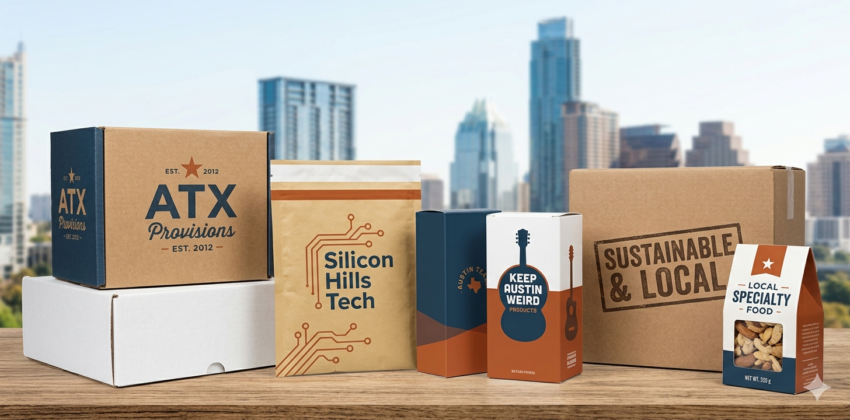
When you think of Austin, Texas, your mind likely drifts toward the vibrant neon lights of Sixth Street, the aromatic smoke billowing from legendary barbecue pits, or the booming tech scene that has earned the city its “Silicon Hills” moniker. However, beneath the surface of this creative and industrial hub lies a critical infrastructure that keeps the city’s economy moving: the specialized world of packaging Austin. In a city that prides itself on being weird, innovative, and fiercely local, packaging is not just about putting an object in a box; it is about brand storytelling, ensuring product integrity during transit through the Texas heat, and meeting the high sustainability standards of a community that deeply values its natural environment.
Whether you are a startup launching a new craft spirit, a tech firm shipping delicate hardware, or an e-commerce entrepreneur operating out of a garage in East Austin, understanding the nuances of the local packaging landscape is essential for your success. The way a product is encased speaks volumes about the quality inside, acting as the first physical touchpoint a customer has with your brand. In the following sections, we will explore the intricate layers of the packaging industry in Central Texas, from the initial design phase to the final logistics of getting your goods safely to their destination.
The Diverse Landscape of Packaging Austin
The sheer variety of industries calling Central Texas home has created a unique demand for diverse packaging solutions. From the pharmaceutical labs in the northern suburbs to the artisanal food producers in South Congress, the requirements for packaging Austin products vary wildly based on the material, weight, and sensitivity of the items being shipped. We see a massive push for custom corrugated solutions that provide both structural integrity and a canvas for high-end graphic design, allowing local businesses to stand out in an increasingly crowded global marketplace.
Specialized Solutions for Tech and Innovation
As Austin continues to solidify its status as a premier global tech hub, the demand for specialized electronics packaging has skyrocketed. This isn’t your standard cardboard box; we are talking about anti-static materials, custom-molded pulp inserts, and precision-engineered foam cushioning designed to protect high-value components from vibration and electrostatic discharge. Companies involved in packaging Austin tech products must adhere to rigorous international standards to ensure that microchips and servers arrive at their destination in pristine condition, regardless of whether they are traveling across town or across the Atlantic.
Eco-Friendly Initiatives and Sustainable Growth
Austin is a city that loves its green spaces, from Zilker Park to the Greenbelt, and this environmental consciousness translates directly into how businesses choose their materials. There is a significant movement toward biodegradable, compostable, and recycled content in the local packaging scene. Many Austin-based brands are opting for soy-based inks and mushroom-based packaging alternatives to reduce their carbon footprint. By prioritizing sustainability, businesses are not only doing right by the planet but are also aligning themselves with the values of the local consumer base, which frequently chooses products based on their environmental impact.
Key Elements of Effective Packaging Design
Designing a package is a delicate balancing act between aesthetics and functionality. In the context of packaging Austin brands, the design must capture the city’s unique spirit—often a blend of rustic charm and modern sophistication. A well-designed package does more than just hold a product; it communicates the brand’s narrative through color palettes, typography, and tactile finishes. When you walk through a local boutique or a high-end grocery store, the items that catch your eye are usually those that have mastered the hierarchy of information, presenting the most important benefits clearly while maintaining a clean, uncluttered look.
Structural Integrity and Material Selection
The physical build of your packaging is the foundation of your customer’s experience. If a box arrives crushed or a seal is broken, the perceived value of the product inside drops instantly. Choosing the right flute size for corrugated boxes or the correct gauge for plastic films is a technical decision that requires professional expertise. In the humid and often scorching climate of Central Texas, material selection becomes even more critical; you need materials that won’t warp or lose their adhesive properties when sitting in a delivery truck or a warehouse that isn’t climate-controlled.
Branding and Visual Identity
Your packaging is essentially a silent salesperson. In a competitive market, the visual identity of your packaging Austin project needs to be cohesive with your digital presence. This involves a deep dive into color psychology and brand positioning. For instance, a luxury skincare line might use soft-touch lamination and gold foil stamping to evoke a sense of opulence, while an outdoor gear company might lean into raw, kraft paper textures and bold, adventurous typography. The goal is to create an unboxing experience that feels like a gift, encouraging customers to share their purchases on social media and building organic brand advocacy.
The Comprehensive Designing Process
The journey from a rough concept to a physical prototype is one of the most exciting phases of product development. It begins with a discovery phase where designers sit down with business owners to understand the product’s dimensions, fragility, and target audience. This stage often involves creating mood boards and sketches that explore different opening mechanisms and interior layouts. Professional designers in the Austin area often use advanced CAD software to create 3-level renderings, allowing clients to see exactly how their packaging will look from every angle before a single sheet of material is cut.
Prototyping and Testing
Once the digital designs are approved, the process moves into physical prototyping. This is where the “rubber meets the road” in packaging Austin. Creating a dieline—the flat template of the package—is a precise science that accounts for fold lines, bleed areas, and glue tabs. Once a sample is produced, it undergoes rigorous testing. This might include drop tests to simulate the rigors of shipping, crush tests to see how many units can be stacked, and even “frustration-free” testing to ensure that the end consumer can actually open the box without needing a chainsaw.
Refining the User Experience
The final stage of design is refinement based on user feedback and technical performance. Sometimes, a design that looks beautiful on a screen doesn’t function well in the real world, leading to adjustments in tab placement or material thickness. For Austin businesses, this iterative process is vital for minimizing waste and maximizing efficiency. By spending more time in the design and prototyping phase, companies save thousands of dollars in potential returns and damaged goods down the line, ensuring that the final result is a perfect marriage of form and function.
Printing Technologies and Finishing Touches
Once the design is finalized, the focus shifts to bringing those visuals to life through high-quality printing. The packaging Austin market offers a variety of printing methods, each suited to different volumes and budget requirements. Digital printing has become a favorite for small to medium-sized businesses because it allows for low minimum order quantities and high-resolution graphics without the expensive setup costs of traditional plates. This flexibility is perfect for seasonal promotions or limited-edition product launches that are so common in the local creative scene.
Lithographic and Flexographic Options
For larger production runs, lithographic (litho-lam) and flexographic printing remain the industry standards. Litho-lam offers the highest print quality, often used for retail packaging where vibrant colors and sharp details are paramount. Flexography, on the other hand, is a more cost-effective solution for high-volume shipping boxes and simple designs. Understanding the trade-offs between these methods is crucial for managing production budgets. A local expert can help you decide which method provides the best ROI for your specific project, ensuring your branding remains consistent across all platforms.
Custom Embellishments and Coatings
To truly elevate a package, many Austin brands turn to specialized finishing techniques. Attapack is a notable name in the industry that understands how these tactile elements can transform a standard box into a premium experience. Options like spot UV coating, which adds a glossy sheen to specific areas of the design, or embossing, which creates a raised texture, add a layer of sophistication that customers can literally feel. Soft-touch coatings can give a package a velvet-like texture, while aqueous coatings provide a protective layer that resists fingerprints and scuffs during handling, keeping the product looking new even after a long journey.
Understanding Costs and Budgeting
Budgeting for packaging is often one of the most overlooked aspects of product manufacturing. Many entrepreneurs focus entirely on the product itself, only to realize that the cost of the “shell” can significantly impact their margins. When navigating packaging Austin pricing, you must consider more than just the unit cost of the box. You have to account for tooling costs (such as dies for cutting and plates for printing), shipping costs for the empty packaging, and the labor required for assembly and fulfillment.
Factors Influencing Unit Price
The unit price of your packaging is largely determined by volume, material choice, and complexity. Ordering 5,000 units will almost always result in a lower price per piece than ordering 500 units because the setup costs are spread across a larger number of items. Additionally, choosing standard sizes can save money, as custom dimensions require unique cutting dies. It is often wise for businesses to work with local consultants who can identify “low-hanging fruit” for cost savings, such as switching to a lighter-weight material that doesn’t compromise strength but reduces shipping weights.
Hidden Expenses in the Supply Chain
Beyond the physical materials, there are logistical costs that can sneak up on you. Storage is a major factor; if you order 10,000 boxes to get a better price, you need a place to keep them. In a growing city like Austin, warehouse space is at a premium. Some packaging providers offer “just-in-time” delivery or warehousing services to help alleviate this burden. Furthermore, the cost of “damages in transit” should be factored into your budget. Spending an extra ten cents per box on better cushioning might seem expensive upfront, but it can save you thousands in replacement costs and lost customer trust if it prevents product breakage.
Real-World Examples of Austin Success Stories
Looking at successful brands in the region provides a roadmap for what works in packaging Austin. Take, for example, the local craft brewery scene. Many of these companies have transitioned from standard plastic carriers to eco-friendly, fully recyclable cardboard wraps that offer more surface area for storytelling and brand art. These wraps not only protect the cans from light but also serve as a billboard on the shelf, using bold graphics to convey the personality of the beer inside.
Another great example can be found in the Austin-based subscription box industry. These businesses rely heavily on the “unboxing” experience to retain subscribers. They often use custom-printed mailer boxes with intricate interior designs that greet the customer as soon as they flip the lid. By including custom tissue paper and branded stickers, they create a sense of community and excitement. This attention to detail has helped local e-commerce players compete with national giants, proving that thoughtful packaging is a powerful tool for customer retention.
Common Mistakes to Avoid
One of the most frequent mistakes businesses make when sourcing packaging Austin is underestimating the importance of internal protection. A beautiful exterior is useless if the product inside is rattling around and eventually breaks. Over-packaging is another common pitfall; using a box that is far too large for the item not only wastes money on materials but also increases shipping costs through “dimensional weight” charges applied by carriers like UPS and FedEx. Finding that “Goldilocks” fit—just the right size and just the right protection—is the key to efficiency.
Another error is failing to consider the end-user’s experience during disposal. In an environmentally conscious market, packaging that is difficult to recycle or contains non-recyclable multi-material laminates can lead to “wrap rage” and negative brand perception. Brands should also be wary of using overly complex designs that are difficult for their fulfillment teams to assemble. If a box takes three minutes to fold instead of thirty seconds, that labor cost will quickly eat into your profits as you scale up production.
Future Trends in the Packaging Industry
The world of packaging is constantly evolving, and Austin is often at the forefront of these shifts. One major trend is the rise of “Smart Packaging,” which incorporates QR codes or NFC tags that customers can scan to learn about the product’s origin, view assembly videos, or reorder with a single tap. This bridges the gap between the physical and digital worlds, providing valuable data to the brand while enhancing the consumer experience. We are also seeing a move toward “Minimalist Packaging,” where brands strip away excess layers to focus on raw, high-quality materials and simple, elegant branding.
Automation is also playing a larger role in packaging Austin operations. From automated taping machines to robotic palletizers, local warehouses are investing in technology to speed up the packing process and reduce human error. Finally, keep an eye on “Circular Packaging” models, where containers are designed to be returned, cleaned, and reused. As the city continues to push for zero-waste initiatives, these innovative systems are likely to gain traction among local retailers and food service providers looking to lead the way in sustainability.
Conclusion: Final Thoughts on Packaging Austin
Navigating the complexities of packaging Austin requires a strategic approach that considers everything from structural engineering to environmental impact. In a city defined by its creativity and rapid growth, your packaging is much more than a logistical necessity; it is a vital component of your brand’s identity and a key driver of customer satisfaction. By investing in high-quality materials, thoughtful design, and sustainable practices, you can ensure that your products not only arrive safely but also leave a lasting impression on everyone who interacts with them.
As the market continues to evolve, staying informed about new printing technologies and consumer preferences will be essential. Whether you are aiming for the “wow factor” of a luxury unboxing or the rugged efficiency of industrial shipping, the local resources available in Central Texas offer everything you need to succeed. Remember that your packaging is the final chapter of your manufacturing process and the first chapter of your customer’s journey. Make it count by choosing solutions that reflect the innovation, quality, and spirit of Austin itself.