
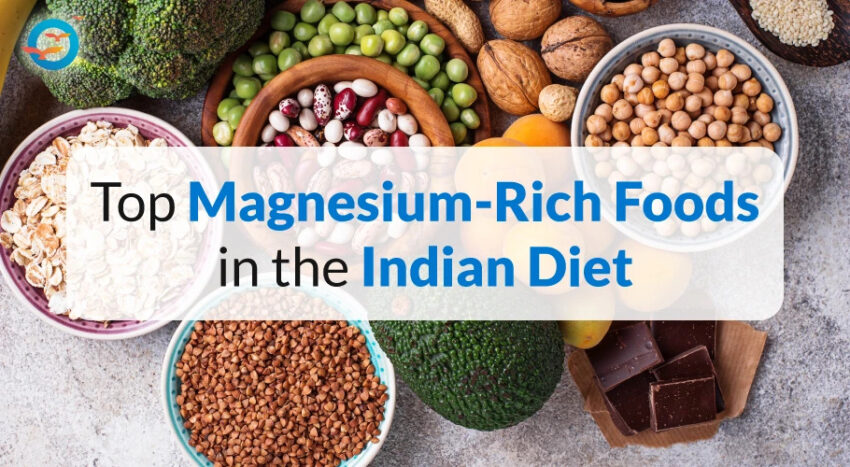
Top Magnesium-Rich Foods in the Indian Diet: Benefits, Sources and Healthy Eating Tips
Magnesium is an essential mineral that plays a key role in keeping the body functioning properly. It supports more than 300 biochemical reactions that help maintain energy, nerve communication, muscle relaxation, strong bones, and stable blood sugar levels. However, many people in India are not getting enough magnesium from their everyday meals. The primary reason behind this deficiency is the dependence on refined grains like white rice and maida, which lack the mineral-rich outer layers that whole grains provide. Along with that, nutrient loss during cooking and lifestyle-related issues make magnesium deficiency more common today. Understanding the reasons for this gap and discovering magnesium-rich foods that are easy to include in Indian meals can help improve overall health.
Magnesium is vital because it contributes to the production of ATP, the main energy currency of the body. It helps nerves function smoothly and muscles contract and relax without discomfort. Magnesium assists in glucose metabolism and insulin sensitivity, making it especially important for people dealing with or at risk of diabetes. It works closely with vitamin D and calcium to support the formation of strong bones. Additionally, this mineral promotes calmness by supporting neurotransmitters that help regulate sleep and stress responses.
In India, symptoms of low magnesium can appear in various ways, such as muscle cramps, fatigue, weakness, mood disturbances, anxiety, or sleep issues. Some may even experience irregular heartbeat. A diet largely consisting of refined foods, stressful lifestyles, digestive disturbances, and certain medications can reduce magnesium absorption. Rising cases of metabolic disorders, including diabetes and high blood pressure, make it necessary to focus more on magnesium-based nutrition in daily meals.
Including the right foods can help regain mineral balance without supplementation for most people. Indian kitchens are filled with many wholesome foods that contain magnesium naturally. Nuts and seeds are among the richest sources of magnesium. Pumpkin seeds provide a remarkably high amount and can be used in chutneys, salads, or simply eaten roasted as a snack. Almonds add both crunch and nutrition whether eaten raw, soaked, or blended into gravies. Cashews are not only delicious but add magnesium to curries and snacks. Sesame seeds are widely used in til gul, laddoos, chutneys, and curries, making them a versatile ingredient. Flax seeds and sunflower seeds can be mixed into regular meals like parathas, idli batter, poha, or sprinkled on vegetables.
Legumes and pulses make up a huge portion of the Indian diet, and they are wonderful plant-based magnesium sources. Soybeans can be used in dals, sabzis, or enjoyed as boiled edamame. Rajma is a beloved comfort food and contributes not just protein but also moderate amounts of magnesium. Urad dal is a staple in breakfast dishes like idli and dosa, making it an easy daily addition. Tofu, made from soy, is another nutrient-dense option especially beneficial for vegetarians looking for variety.
Leafy vegetables are powerful yet underrated magnesium contributors. Spinach stands out due to its high mineral value, especially when lightly cooked instead of boiled too long. Amaranth leaves or chaulai have been part of traditional Indian meals for years and should be consumed regularly for their nutrient density. Methi leaves offer both strong flavour and benefits, while okra adds not only fiber but also magnesium to everyday meals.
Magnesium intake can also be boosted by switching from refined grains to wholesome options. Atta or whole wheat flour contains more magnesium than maida, and choosing atta rotis daily improves mineral intake gradually. Millets such as ragi, bajra, and jowar are among the top magnesium-rich cereals. They can be turned into dosas, porridge, bhakri, or khichdi. Even brown rice provides more minerals than polished white rice and can be gradually introduced into regular meals.
Some fruits like bananas contribute magnesium, and they are extremely easy to include in breakfast or snacks. Dark chocolate with high cocoa content can also be an enjoyable way to consume magnesium but needs to be taken in moderation due to sugar content.
A few cooking and food preparation techniques can help improve magnesium absorption. Soaking nuts, beans, and seeds before using them can reduce anti-nutrients like phytic acid that block mineral absorption. Cooking leafy greens through steaming or light sautéing rather than long boiling ensures the nutrients remain intact. The water used for boiling vegetables should be consumed in soups or dals so that minerals are not wasted. Maintaining vitamin D levels is also crucial because it supports the function of magnesium in the body.
Improving magnesium intake doesn’t require complicated changes. Simple choices like enjoying nuts as snacks, adding seeds to cereals, including leafy greens in at least one daily meal, and replacing refined grains with whole grains can significantly enhance nutrition. Better magnesium levels can support more energy, stronger muscles and bones, better sleep, and improved control of blood sugar levels.
By making mindful changes in food habits, it becomes easier to safeguard health and prevent deficiency-related concerns. Including a variety of magnesium-rich foods not only strengthens the body but also supports long-term wellness. Every small improvement in diet contributes to a stronger and more energized version of yourself.
To read more about this, visit our blog.
https://www.freedomfromdiabetes.org/blog/post/magnesium-rich-foods-indian-diet/4670