

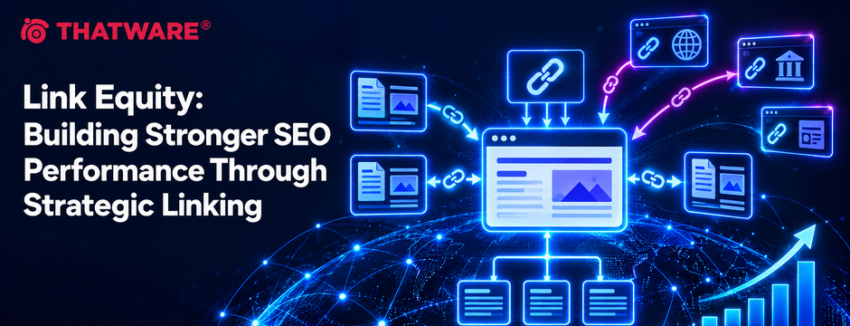
Link equity is an important concept in search engine optimization that helps websites build authority and improve their search visibility. When one webpage links to another, it can pass signals that help search engines understand the relationship, relevance, and importance of the linked page. Understanding how link equity works allows businesses to create a stronger website structure and make their SEO strategies more effective.
What Is Link Equity and How Does It Work?
Link equity, often called link authority, refers to the value a webpage may pass to another page through a hyperlink. This value can depend on several factors, including the linking page’s relevance, authority, link placement, and the overall quality of the linking relationship. Although link equity is not a publicly measurable Google ranking score, relevant, high-quality links can contribute to stronger search performance.
External backlinks can help search engines discover and evaluate pages, while internal links distribute context and help users navigate related content. A well-planned website structure ensures that important pages are accessible and connected to relevant supporting information.
Why Link Equity Optimization Matters
Link equity optimization helps businesses make better use of their existing backlinks and internal links. Instead of focusing only on acquiring new backlinks, website owners can improve how their pages connect and identify important pages that receive limited internal linking support.
Effective optimization includes linking relevant blog posts to service pages, fixing broken internal links, avoiding unnecessary redirects, and ensuring that key landing pages are easy to reach. These practices can improve crawling, navigation, and the distribution of link signals across a website.
How Internal Linking SEO Improves Website Performance
Internal linking SEO involves connecting related pages within the same website using meaningful anchor text. For example, a blog about technical SEO can link to a relevant technical SEO service page, helping visitors discover useful services while providing search engines with additional context.
A strong internal linking strategy should prioritize relevance, natural anchor text, clear navigation, and links to important pages. Avoid adding links simply to increase their quantity; each link should provide genuine value to users.
How to Improve Link Equity Strategically
If you want to understand how to improve link equity, begin by auditing your website’s existing link structure. Identify high-quality pages that can naturally link to important landing pages. Review broken links, resolve unnecessary redirect chains, and update older articles with relevant links to newer resources.
You should also create useful, interconnected content around your core services. This approach helps establish topical relationships and makes it easier for visitors to explore related information. Combine internal linking improvements with quality backlink acquisition, useful content, and sound technical SEO practices for a sustainable strategy.
Build a Stronger SEO Foundation
Improving link equity requires consistency, relevance, and a user-focused approach. By strengthening internal links, maintaining a logical site structure, and earning relevant external backlinks, businesses can improve discoverability and support their broader organic search goals. A carefully planned link equity strategy helps turn individual pages into a connected website that serves users and search engines more effectively.
#link equity
#link equity optimization
#internal linking seo
#link building
#seo strategy