
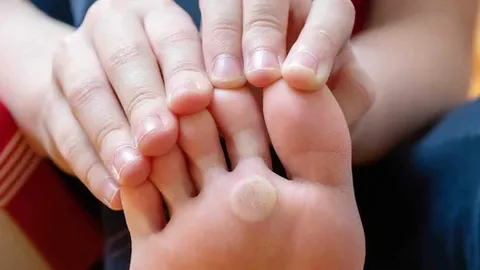
Corns and calluses are among the most common foot problems treated by podiatrists. Although they may seem like minor cosmetic concerns at first, they can become painful and affect your ability to walk comfortably if left untreated. Many people experience hard, thickened areas of skin on their feet without fully understanding why they develop or how to prevent them.
In simple terms, corns and calluses form when the skin is exposed to repeated pressure or friction. The body responds by creating a thicker layer of skin to protect the affected area. While this protective response is natural, excessive thickening can eventually lead to discomfort, tenderness, and difficulty wearing certain shoes.
Seeking advice from a qualified Podiatrist Edinburgh can help identify the underlying cause of corns and calluses and prevent them from returning. Early treatment often provides faster relief and helps maintain long-term foot health.
Understanding the Difference Between Corns and Calluses
Although the terms are often used interchangeably, corns and calluses are slightly different conditions.
Corns
Corns are usually small, concentrated areas of hard skin that develop over bony prominences, such as the tops or sides of the toes. They often have a central core and can become quite painful when pressure is applied.
Calluses
Calluses are generally larger, broader areas of thickened skin that commonly appear on the soles of the feet, especially under the heels or balls of the feet. They are usually less painful than corns but may cause discomfort if they become very thick.

What Causes Corns and Calluses?
The most important thing to understand is that corns and calluses do not appear randomly. They usually develop because something is placing excessive pressure or friction on a specific area of the foot.
1. Poorly Fitting Footwear
One of the most common causes is wearing shoes that are too tight, too loose, or poorly designed.
Tight shoes can squeeze the toes together and create friction against the skin. On the other hand, loose shoes may allow the foot to slide around, causing repeated rubbing. High heels can also increase pressure on the front of the foot, making callus formation more likely.
Example:
A person who regularly wears narrow shoes may develop corns on the sides of their toes because the skin is constantly rubbing against the shoe.
2. Abnormal Foot Mechanics
The way your feet move and bear weight can also contribute to corn and callus formation.
Conditions such as flat feet, high arches, or uneven weight distribution may cause certain areas of the foot to experience more pressure than others. Over time, the skin in these high-pressure areas becomes thicker.
A Podiatrist Edinburgh can assess your foot mechanics and identify whether abnormal pressure patterns are contributing to the problem.
3. Toe Deformities
Structural changes in the toes can increase friction and pressure.
Common examples include:
-
Hammer toes
-
Claw toes
-
Bunions
-
Overlapping toes
These conditions often create prominent areas that rub against footwear, leading to painful corns.
4. Walking Barefoot Frequently
Walking barefoot, especially on hard surfaces, can increase pressure on the soles of the feet. The skin responds by forming thicker calluses to protect itself.
While some callus formation is normal, excessive thickening may eventually become uncomfortable.
5. Repetitive Activities and Sports
Certain activities place repeated stress on specific parts of the feet.
For example:
-
Running
-
Long-distance walking
-
Dancing
-
Hiking
-
Sports involving jumping
Athletes often develop calluses in areas that experience repeated impact and friction.
How Corns and Calluses Develop: Step by Step
Step 1: Pressure or friction occurs
Step 2: The skin tries to protect itself
Step 3: Extra layers of skin build up
Step 4: The thickened skin becomes a corn or callus
Step 5: Pain or discomfort may develop
When Should You See a Podiatrist?
Many people try to trim corns and calluses themselves, but this can sometimes make the problem worse.
Consider visiting a Podiatrist Edinburgh if:
-
The area is painful
-
Walking becomes uncomfortable
-
Corns keep returning
-
You have diabetes or poor circulation
-
The skin becomes red or inflamed
-
Home treatments are not working
Professional Treatment Options
A podiatrist will first identify why the corn or callus developed. Treating the underlying cause is essential for long-term success.
Treatment may include:
-
Safe removal of hard skin
-
Footwear advice
-
Pressure-relieving padding
-
Biomechanical assessment
-
Custom orthotics if needed
-
Treatment of toe deformities
Professional treatment is usually much safer and more effective than attempting aggressive self-removal.
How to Prevent Corns and Calluses
Prevention is often easier than treatment.
Expert Prevention Tips
-
Wear properly fitted shoes
-
Choose footwear with adequate toe room
-
Use cushioned insoles if needed
-
Keep feet moisturized
-
Avoid prolonged friction
-
Address foot pain early
-
Schedule regular podiatry check-ups
The Role of Foot Biomechanics
Many recurring corns and calluses are linked to the way the feet function during walking.
A biomechanical assessment performed by a Podiatrist Edinburgh can identify:
-
Overpronation
-
High arches
-
Uneven weight distribution
-
Gait abnormalities
-
Muscle imbalances
Correcting these issues often helps reduce the likelihood of corns and calluses returning.
Why Ignoring the Problem Can Be Risky
Although corns and calluses may seem minor, they can become increasingly painful over time. Furthermore, people with diabetes or circulation problems face a higher risk of complications if hard skin breaks down.
Early assessment and treatment can prevent unnecessary discomfort and help maintain healthy feet.
Final Thoughts
Corns and calluses are usually the result of repeated pressure, friction, or abnormal foot mechanics. While the skin’s thickening response is intended to provide protection, excessive build-up can lead to pain and mobility problems.
Understanding the underlying cause is the key to effective treatment. Whether the problem is related to footwear, foot structure, activity levels, or walking patterns, a qualified Podiatrist Edinburgh can provide a thorough assessment and personalized treatment plan.
By addressing the source of pressure rather than simply removing the hard skin, patients can achieve better long-term results and enjoy healthier, more comfortable feet throughout the year.
Quick Summary
Main causes: Pressure and friction
Common triggers: Tight shoes, bunions, flat feet, sports
Best prevention: Proper footwear and early treatment
Professional help: A Podiatrist Edinburgh can identify the underlying cause and provide lasting solutions.