
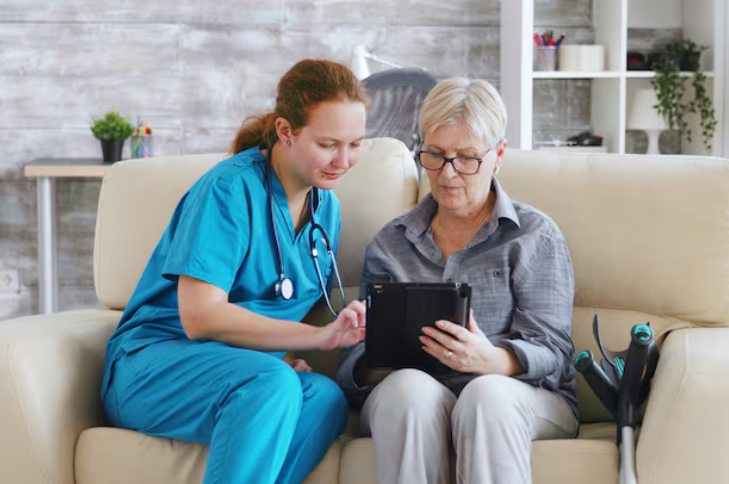
Home nursing services provide professional healthcare support to individuals who need assistance while recovering or managing their health at home. Such services can be useful for older adults, people recovering from surgery, individuals with chronic health conditions, patients with mobility difficulties, and those who require continued nursing supervision.
For families looking for home nursing services Johor, understanding the types of care available can help them determine what level of support may be appropriate. Home nursing is not limited to basic assistance. Depending on an individual’s medical needs, services can include wound care, medication support, monitoring of vital signs, post-operative care, personal care, and other nursing interventions.
What Are Home Nursing Services?
Home nursing services involve qualified healthcare professionals providing nursing care in a patient’s home. The purpose is to support recovery, maintain health, assist with daily care needs, and reduce unnecessary difficulties associated with frequent travel to healthcare facilities.
The exact services provided depend on the patient’s condition and the care plan developed by the healthcare professional. Some individuals may need short-term nursing support following an illness or procedure, while others may require longer-term assistance because of chronic health conditions or reduced independence.
Home-based care can also provide family members with guidance about safe patient care, medication routines, mobility, nutrition, and other aspects of recovery.
1. Post-Operative Care
Patients recovering from surgery may require additional support after leaving a hospital or healthcare facility. Home nursing can help monitor recovery and identify changes that may require medical attention.
Post-operative nursing care may include checking the surgical site, changing dressings, monitoring vital signs, assisting with prescribed medications, and observing for possible signs of infection.
Nurses may also provide guidance on movement and daily activities according to the instructions given by the treating healthcare professional. The level of care depends on the type of surgery and the patient’s recovery progress.
2. Wound Care
Wound management is an important component of home nursing. Patients with surgical wounds, pressure injuries, diabetic wounds, or other injuries may need regular dressing changes and monitoring.
A nurse can clean and dress the wound according to the recommended care plan. The wound can also be observed for changes such as increased redness, swelling, unusual discharge, worsening pain, or delayed healing.
Consistent wound care can help maintain cleanliness and support proper healing. Any signs of significant infection or deterioration should be referred to an appropriate medical professional promptly.
3. Medication Assistance
Some patients, particularly older adults or those taking multiple medications, may have difficulty following complicated medication schedules.
Home nursing professionals can provide medication-related support according to the prescribed treatment plan. This may include reminding patients about scheduled medicines, checking whether medications have been taken, and helping families understand the prescribed routine.
Nurses do not independently change prescribed doses or treatment plans unless specifically authorised within their professional scope. Any concerns about side effects, missed doses, or changes in medication should be discussed with the appropriate healthcare professional.
4. Monitoring Vital Signs
Regular monitoring of vital signs can be important for people recovering from illness or managing certain chronic conditions.
Depending on the care plan, a home nurse may monitor blood pressure, pulse rate, body temperature, respiratory rate, oxygen saturation, or blood glucose levels.
Recording these measurements over time can help healthcare professionals understand changes in a patient’s condition. Significant or unexpected changes may require further medical evaluation.
5. Care for Older Adults
Older adults may require assistance with healthcare needs as well as daily activities. Home nursing can provide support while allowing individuals to remain in familiar surroundings.
Care may include assistance with personal hygiene, mobility, nutrition, medication routines, and monitoring of existing health conditions.
For individuals with reduced mobility, nurses may also help reduce the risk of complications associated with prolonged inactivity by following appropriate movement and positioning recommendations.
6. Chronic Disease Management
People living with long-term health conditions may require ongoing monitoring and support. Home nursing can complement regular medical appointments by helping patients follow their established care plans.
Depending on the condition, care may involve monitoring vital signs, supporting medication routines, observing symptoms, assisting with dietary recommendations, and communicating relevant changes to the healthcare team.
Conditions that may require ongoing support can include diabetes, hypertension, certain respiratory conditions, and other chronic illnesses. The specific nursing services depend on the individual’s diagnosis and medical requirements.
7. Diabetes-Related Care
Diabetes management may require regular monitoring and attention to medication, diet, foot health, and blood glucose levels.
Where appropriate, home nurses can assist with blood glucose monitoring and help patients follow healthcare instructions. They may also observe the feet and skin for issues that could require medical attention.
Patients with diabetes should continue to follow the treatment plan provided by their healthcare professional. Home nursing support complements, rather than replaces, regular medical care.
8. Personal Care Assistance
Some individuals need help with everyday personal activities because of illness, disability, injury, or age-related limitations.
Depending on the service and the patient’s needs, assistance may include bathing, dressing, grooming, toileting, eating, and moving safely around the home.
Personal care can help individuals maintain dignity and independence while reducing the physical burden on family caregivers.
9. Mobility and Rehabilitation Support
Patients recovering from injury, surgery, or certain illnesses may have difficulty moving independently.
Home nursing professionals can support safe movement according to recommendations from doctors, physiotherapists, or other relevant healthcare professionals. Assistance may include helping patients move between a bed and chair, supporting prescribed mobility routines, and encouraging safe activity.
The goal is to support recovery while reducing the risk of falls or unnecessary strain.
10. Catheter and Medical Device Care
Some patients require ongoing care involving catheters or other medical devices. Depending on professional qualifications and the care plan, home nurses may provide appropriate maintenance and monitoring.
They may observe for potential complications and educate patients or caregivers about basic care requirements.
Any unusual pain, blockage, bleeding, fever, or other concerning symptoms should be reported promptly to an appropriate healthcare professional.
11. Palliative and Supportive Care
Individuals with serious or advanced illnesses may require supportive care focused on comfort, dignity, and quality of life.
Home nursing can assist with symptom monitoring, personal care, medication routines, and communication with family members and the wider healthcare team.
Palliative care is usually individualised according to the person’s condition, preferences, and medical plan. It can also provide emotional and practical support for family caregivers.
12. Care for Patients Recovering From Illness
Recovery from an infection, hospitalisation, or significant illness can sometimes take several weeks. Patients may feel weak or require temporary assistance with everyday activities.
Home nursing can provide monitoring and support during this recovery period. Nurses may observe vital signs, assist with medication schedules, support nutrition and hydration according to medical advice, and monitor changes in symptoms.
If a patient’s condition worsens, the nurse can communicate relevant observations to the family and appropriate healthcare professionals.
How Is a Home Nursing Care Plan Developed?
A suitable home nursing plan generally begins with an assessment of the patient’s health condition and care requirements.
Factors considered may include the patient’s diagnosis, mobility, medication needs, personal care requirements, previous medical procedures, home environment, and level of family support.
The care plan can then be adjusted as the patient’s condition changes. Some patients may need daily visits, while others may require nursing support only at specific intervals.
Clear communication between nurses, patients, family members, and treating healthcare professionals is important for maintaining continuity of care.
What Are the Benefits of Home Nursing?
One major benefit of home nursing is that healthcare support can be provided in a familiar environment. This can be particularly helpful for people who have difficulty travelling because of mobility limitations or recovery needs.
Home nursing can also reduce some of the responsibilities placed on family caregivers. Professional support may provide families with practical guidance and reassurance while allowing them to remain involved in the patient’s care.
Another benefit is continuity. Regular nursing visits can help monitor changes over time and ensure that prescribed care routines are followed appropriately.
However, home nursing does not replace emergency medical treatment. Individuals experiencing severe breathing difficulties, chest pain, loss of consciousness, major bleeding, or other medical emergencies should seek urgent emergency care.
How Can Families Choose Appropriate Home Nursing Care?
Families should first identify the patient’s specific healthcare and personal care requirements. They should consider whether the individual needs wound care, medication support, monitoring, post-operative assistance, personal care, or long-term nursing supervision.
The qualifications and experience of the nursing professionals should also be considered. Families should ensure that the services provided match the patient’s medical needs and that appropriate communication is maintained with the treating healthcare team.
The patient’s preferences, home environment, safety requirements, and availability of family caregivers can also influence the type and frequency of home nursing support.
Conclusion
Home nursing services can include a broad range of professional care, from wound management and medication assistance to vital-sign monitoring, post-operative support, chronic disease management, personal care, and supportive care for individuals with complex health needs.
For families considering health screening centres Johor as part of a broader approach to preventive healthcare, routine health assessments can complement ongoing home-based care by helping identify health concerns that may require further evaluation. Home nursing, however, should be tailored to the patient’s individual condition and coordinated with appropriate medical professionals.
With an appropriate care plan and regular communication between patients, families, nurses, and healthcare providers, home nursing can support recovery, promote comfort, and help individuals manage their healthcare needs more safely within their own homes.