
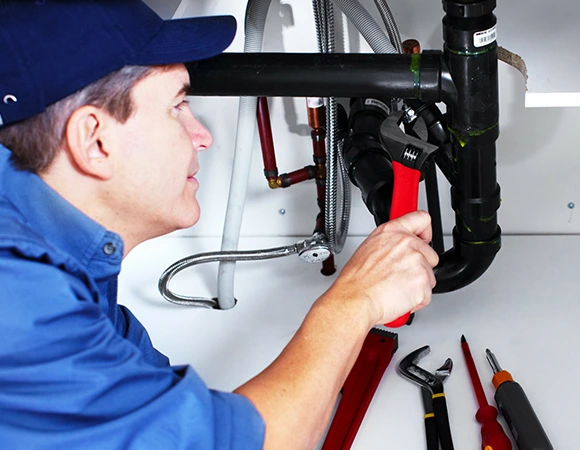
Kitchen plumbing problems rarely start as major emergencies. A slow drip may seem harmless at first. A noisy disposal may still appear usable. Yet small warning signs can become disruptive when ignored.
Fixtures work hard every day inside a busy kitchen. Faucets handle repeated water flow and constant use. Garbage disposals process food waste throughout the week. Their components can eventually experience wear, blockages, or leaks.
Understanding early warning signs helps homeowners respond sooner. It also helps separate minor maintenance from genuine plumbing concerns. Knowing when to call a professional can prevent unnecessary damage.
For homeowners seeking a Garbage Disposal Repair Services in Hendersonville TN, understanding these warning signs matters. The same applies when a leaking faucet suddenly becomes urgent. Dave’s Plumbing & Rooter can provide local plumbing support when these problems require professional attention.
Why Faucet Problems Often Start Small
A dripping faucet is one of the easiest plumbing problems to notice. It can also be one of the easiest to dismiss. Many homeowners simply tighten the handle and move on.
However, persistent dripping can indicate an internal problem. Worn cartridges, seals, washers, or connections can affect performance. Tightening the handle may not address the actual cause.
Leaks can also develop around the faucet base. Water may collect around the sink instead of flowing directly into the basin. Over time, repeated moisture exposure can affect surrounding surfaces.
A faucet should therefore be assessed when problems persist. Quick attention can prevent a minor fixture issue from becoming a larger plumbing concern.
When a Dripping Faucet Becomes an Emergency
Not every faucet leak requires emergency service. A slow drip can often be scheduled for repair. However, some situations require faster attention.
A sudden leak can release much more water. Water may spray from a failed connection or damaged supply line. This can quickly affect cabinets, flooring, or nearby materials.
Water pooling beneath a sink also deserves attention. The leak may not originate from the faucet itself. Supply connections and shutoff valves can also develop problems.
For homeowners searching for an Emergency Faucet Repair Plumber in Hendersonville TN, identifying the source matters. Turning off the appropriate water supply can help limit damage while waiting for professional assistance.
Homeowners should avoid making repairs they cannot safely complete. Plumbing connections can be difficult to access. Electrical appliances may also be located near water.
What Changes in Water Pressure Can Tell You
Faucet performance can reveal broader plumbing problems. Weak water flow may have several possible causes. Mineral buildup can restrict flow through fixture components.
A partially closed shutoff valve can also affect performance. Problems elsewhere in the plumbing system may create similar symptoms.
A sudden change deserves more attention than gradual changes. If multiple fixtures experience reduced pressure, the problem may involve more than one faucet.
Professional diagnosis can help identify the actual cause. Replacing a faucet may not solve a wider plumbing issue.
Why Strange Faucet Sounds Matter
Faucets should generally operate without unusual noises. Squealing, rattling, or knocking sounds can indicate component problems.
Air in the plumbing system may sometimes affect water flow. Loose parts can also create vibration when water moves through the fixture.
A noisy faucet does not automatically mean serious damage. However, persistent sounds should not be ignored. Changes in sound can provide useful clues about developing problems.
Recording when the noise occurs can help during diagnosis. Note whether it happens during opening, closing, or continuous flow.
Garbage Disposals Have Their Own Warning Signs
Garbage disposals can make kitchen cleanup easier. They also contain mechanical and electrical components. Problems can therefore involve more than simple drainage.
A disposal that hums without grinding may have a mechanical issue. Repeated jamming can also indicate a problem requiring attention.
Leaks around the disposal are another important warning sign. Water can escape from seals, connections, or the disposal housing. Persistent leaks can damage the cabinet beneath the sink.
Unpleasant smells can also indicate trapped food residue. However, persistent odours may sometimes accompany drainage problems.
These symptoms should be evaluated based on their frequency and severity. Occasional residue is different from recurring mechanical problems.
Why Repeated Disposal Jams Matter
A disposal should process suitable food waste without constant interruption. Frequent jams can indicate underlying mechanical or usage issues.
Hard materials can place excessive stress on disposal components. Fibrous materials may also create difficult blockages. Grease and food residue can contribute to drainage problems.
A jammed unit should never be approached carelessly. Homeowners should avoid placing their hands inside the disposal. Disconnecting power before troubleshooting is also an important safety precaution.
If the problem keeps returning, professional diagnosis may be appropriate. Repeatedly resetting the unit does not necessarily resolve the underlying issue.
When a Disposal Leak Needs Professional Attention
A leak beneath the disposal should not be ignored. Even a small amount of water can affect the cabinet base.
The leak location can provide useful clues. Water may come from a connection, seal, drain line, or disposal body.
Homeowners may notice dampness after running the sink. Others may see water collecting inside the cabinet. Either situation warrants investigation when it continues.
Prompt repair can limit exposure to moisture. It can also help determine whether repair or replacement makes more sense.
Professional disposal services commonly address jams, leaks, unusual noises, and units that stop working.
Why Your Disposal May Smell Bad
Unpleasant disposal odours often come from trapped food residue. Small particles can remain around internal surfaces after use.
Running water through the disposal can help with routine cleaning. However, persistent smells may point toward deeper residue or drainage problems.
The sink’s drain system can also influence odours. Food debris may collect in connected plumbing components. This can make a disposal appear responsible when the actual problem lies elsewhere.
Avoid putting unsuitable materials into the disposal. Scraping food scraps into the trash can reduce unnecessary strain. This can also help limit blockages caused by inappropriate waste.
Faucet and Disposal Problems Can Overlap
Kitchen fixtures share connected plumbing systems. A problem in one area can sometimes affect another.
For example, a disposal drainage problem may contribute to sink backups. A faucet leak can also introduce excess water beneath the cabinet.
This makes diagnosis important. Fixing the most visible symptom may not address the actual source.
Professional plumbing assessment considers how components interact. This can help prevent repeated repairs and unnecessary replacement.
Repair or Replace: How to Think About the Decision
Not every damaged fixture needs replacement. Some problems involve individual components that can be repaired.
A faucet with a worn internal cartridge may remain otherwise suitable. A disposal with a manageable mechanical issue may also be repairable.
Replacement becomes more relevant when damage is extensive. Repeated breakdowns can also change the practical calculation.
Age, condition, availability of parts, and repair costs all matter. Homeowners should consider these factors before choosing an option.
A professional can explain the condition of the existing fixture. This provides useful information for making a practical decision.
What to Do Before the Plumber Arrives
A few simple steps can help limit damage. First, identify where the water is coming from. If safe, use the appropriate shutoff valve.
For a faucet emergency, limiting water flow can reduce potential damage. Keep towels or containers available for small leaks.
For disposal problems, switch off the unit. Never place your hands inside the disposal. If the issue involves electrical components, avoid attempting repairs without appropriate knowledge.
Documenting the problem can also help. Take photographs of visible leaks or damaged connections. Note unusual noises and when they occur.
These details can help a plumber understand the issue faster.
Choosing Local Plumbing Support
Local plumbing service can be useful when problems require prompt attention. Homeowners benefit from having a reliable provider available before emergencies happen.
When choosing a plumber, consider the range of services offered. Look for support covering both everyday fixtures and urgent problems.
It can also help to discuss the problem clearly. Explain what happened, when it started, and whether the issue is getting worse.
Dave’s Plumbing & Rooter provides a local option for homeowners researching plumbing assistance. You can explore its services and contact information through its website.
Building Better Kitchen Plumbing Habits
Good habits can reduce unnecessary plumbing problems. Avoid forcing inappropriate materials into a garbage disposal. Use water appropriately when operating the unit.
Check beneath the sink periodically. Look for moisture, corrosion, loose connections, or unusual odours.
Pay attention to changes in faucet performance. A small change can provide an early warning.
These simple observations can help homeowners respond before problems escalate. They also make professional diagnosis easier when service becomes necessary.
Frequently Asked Questions
How do I know if my faucet needs repair?
Persistent dripping, leaking bases, and unusual noises can indicate problems. Changes in water flow may also deserve attention. A professional can determine whether repair or replacement is appropriate.
When should I call an emergency plumber?
Call promptly when a leak releases significant water. Sudden supply-line failures can cause rapid water damage. Shut off the appropriate water supply if safe. Then arrange professional assistance.
Why does my garbage disposal keep jamming?
Repeated jams can have several causes. Improper food waste may contribute to blockages. Mechanical wear can also affect disposal performance. Persistent jamming should receive professional assessment.
Can a leaking disposal damage my kitchen cabinet?
Yes, continued moisture can affect cabinet materials. Water can also spread beneath the sink. Promptly identifying and repairing the leak can help limit damage.
Should I repair or replace my garbage disposal?
The answer depends on the unit’s condition. The problem may involve one repairable component. Extensive damage or repeated failures may support replacement. A professional assessment can clarify your options.
Final Thoughts
Small plumbing problems can provide important warning signs. A dripping faucet may indicate worn internal components. A noisy disposal may signal mechanical trouble.
Ignoring these symptoms can allow problems to become more disruptive. Early attention can help protect cabinets, fixtures, and surrounding areas.
For Hendersonville homeowners, having local plumbing support can provide peace of mind. Dave’s Plumbing & Rooter can be explored when you need help with household plumbing concerns.
Whether the issue involves a faucet or disposal, proper diagnosis matters. The right repair can restore convenience without unnecessary work.