
Introduction
In today’s rapidly evolving industrial landscape, the demand for safer, faster, and more cost-effective inspection methods is increasing significantly. One of the most transformative innovations in this field is the use of drones for pipeline inspection. Traditional pipeline monitoring methods often involve manual labor, high risk, and significant operational downtime. However, drone technology is changing this completely.
Companies like Gulfnet are leading the shift toward advanced aerial inspection systems that provide real-time data, high-resolution imaging, and improved safety for workers. Drones are now widely used in oil and gas, water distribution, and energy sectors, making pipeline management more efficient than ever before.
This article explores why drones have become the best solution for safe and efficient pipeline inspection, their benefits, applications, and future potential in industrial operations.
What Are Drones for Pipeline Inspection?
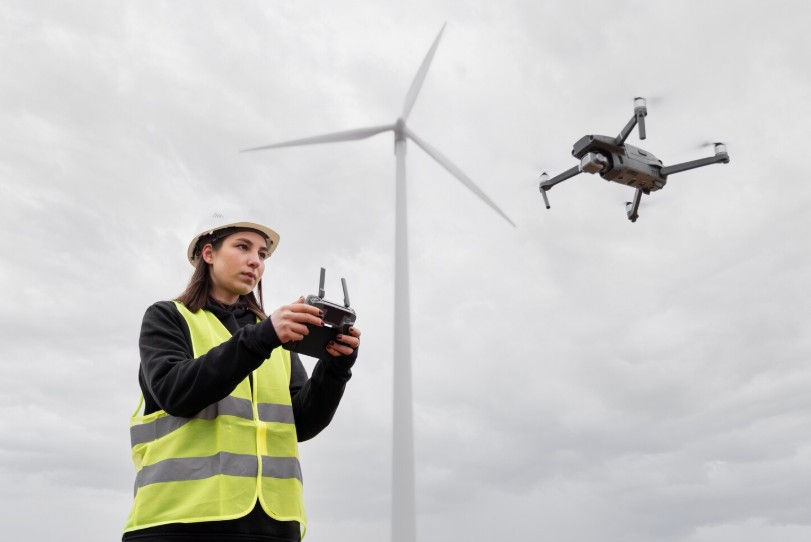
Drones for pipeline inspection are unmanned aerial vehicles (UAVs) equipped with advanced sensors, cameras, and imaging technology designed to monitor pipelines from above or along difficult-to-access routes.
These drones can be fitted with:
- High-resolution optical cameras
- Thermal imaging sensors
- Infrared detectors
- GPS and mapping systems
- AI-based analysis tools
They are used to detect leaks, corrosion, structural damage, and environmental hazards along pipeline networks.
Unlike traditional inspection methods, drones can cover large distances in a short time while providing accurate, real-time data.
Why Pipeline Inspection Is Important
Pipeline infrastructure is critical for transporting oil, gas, water, and chemicals. Any damage or leakage can lead to:
- Environmental hazards
- Financial losses
- Operational shutdowns
- Safety risks to workers and communities
Regular inspection ensures pipeline integrity and helps prevent major accidents. This is where drones for pipeline inspection play a vital role by making the process more reliable and proactive.
Key Benefits of Drones for Pipeline Inspection
1. Enhanced Safety
One of the biggest advantages of using drones is improved safety. Traditional inspections often require workers to physically access hazardous areas such as:
- Remote deserts
- Offshore platforms
- Mountainous terrain
- Industrial zones with toxic gases
With drones, human exposure to these dangerous environments is significantly reduced. Operators can inspect pipelines remotely from a safe location.
2. Cost Efficiency
Using drones for pipeline inspection reduces operational costs in multiple ways:
- Less manpower required
- Reduced need for heavy machinery
- Lower transportation expenses
- Fewer shutdowns during inspections
Companies like Gulfnet leverage drone technology to optimize maintenance budgets while maintaining high inspection quality.
3. Faster Data Collection
Drones can inspect kilometers of pipeline in a fraction of the time required by traditional teams. What might take days or weeks manually can be completed in hours using UAVs.
This speed helps companies respond quickly to potential issues before they escalate.
4. High-Quality Imaging and Data Accuracy
Modern drones are equipped with advanced imaging systems that provide:
- Ultra-high-resolution visuals
- Thermal heat maps
- 3D mapping of pipeline structures
This allows engineers to detect even minor issues such as micro-leaks or early-stage corrosion.
5. Access to Hard-to-Reach Areas
Pipelines often run through difficult terrains like:
- Forests
- Oceans
- Mountains
- Urban underground pathways
Drones for pipeline inspection can easily access these areas without requiring physical infrastructure or risking human safety.
6. Real-Time Monitoring
Drones can transmit live video feeds and sensor data to control centers. This allows engineers to make instant decisions and take preventive actions when necessary.
How Drones Are Used in Pipeline Inspection
1. Leak Detection
Thermal cameras detect temperature changes that indicate leaks in oil or gas pipelines.
2. Corrosion Monitoring
High-resolution imaging helps identify rust and corrosion before it becomes a serious issue.
3. Right-of-Way Inspection
Drones monitor vegetation growth, unauthorized construction, or environmental changes near pipeline routes.
4. Disaster Response
In case of natural disasters like floods or earthquakes, drones quickly assess pipeline damage and help plan repairs.
5. Mapping and Surveying
AI-powered drones create detailed 3D maps of pipeline networks for better planning and maintenance.
Role of AI in Drone-Based Pipeline Inspection
Artificial intelligence enhances the capabilities of drones for pipeline inspection by:
- Automatically detecting anomalies
- Analyzing large datasets quickly
- Predicting potential failures
- Reducing human error
AI-powered systems ensure inspections are not only faster but also more precise and predictive.
Why Gulfnet Uses Drone Technology
At Gulfnet, innovation is at the core of industrial inspection services. By integrating advanced drones for pipeline inspection, Gulfnet ensures:
- Higher accuracy in detecting pipeline issues
- Reduced inspection time
- Improved operational safety
- Cost-effective maintenance solutions
- Better environmental protection
Gulfnet’s approach focuses on combining technology with expertise to deliver reliable pipeline monitoring solutions for modern industries.
Challenges and Limitations
While drones offer many advantages, there are some challenges:
- Battery life limitations
- Weather dependency (strong winds, rain)
- Regulatory restrictions in certain regions
- Requirement of skilled operators
However, continuous technological advancements are rapidly addressing these issues, making drones even more efficient and reliable.
Future of Drone-Based Pipeline Inspection
The future of drones for pipeline inspection is highly promising. Upcoming advancements include:
- Fully autonomous drone fleets
- AI-driven predictive maintenance systems
- Longer battery life and solar-powered drones
- Integration with IoT and smart sensors
- Real-time cloud-based analytics
These innovations will further transform pipeline monitoring into a fully automated, intelligent system.
Environmental Benefits
Drones also contribute to environmental protection by:
- Detecting leaks early and preventing spills
- Reducing the need for heavy vehicles and machinery
- Minimizing land disturbance during inspections
This makes drone technology an eco-friendly solution for modern industries.
Conclusion
In conclusion, drones for pipeline inspection have revolutionized the way industries monitor and maintain critical infrastructure. They offer unmatched advantages in safety, efficiency, accuracy, and cost savings.
With companies like Gulfnet embracing this advanced technology, pipeline inspection is becoming smarter, faster, and more reliable than ever before. As drone technology continues to evolve, it will play an even greater role in ensuring the safety and sustainability of global pipeline networks.
The shift toward drone-based inspection is not just a trend—it is the future of industrial maintenance.