
Starting a family is an exciting milestone, but for many women, getting pregnant may take longer than expected. While occasional delays in conception are common, persistent difficulties can sometimes indicate an underlying fertility issue. Recognizing the early signs of infertility allows you to seek medical advice sooner, improving the chances of successful treatment.
Female infertility can result from hormonal imbalances, ovulation disorders, reproductive health conditions, or age-related changes. The good news is that many causes of infertility are treatable with the right diagnosis and care.
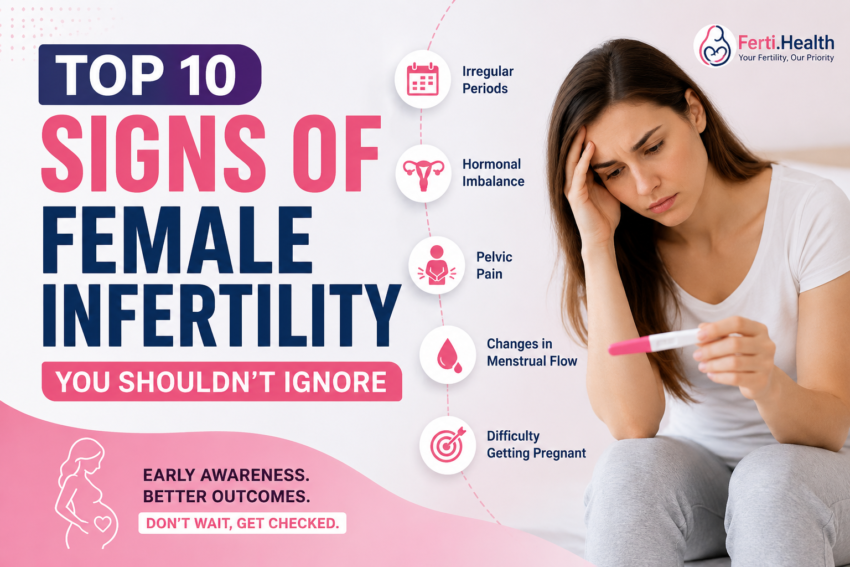
In this article, we’ll discuss the top 10 signs of female infertility you shouldn’t ignore, common causes, and when it’s time to consult a fertility specialist.
What Is Female Infertility?
Female infertility is the inability to become pregnant after 12 months of regular, unprotected intercourse if you’re under 35, or after six months if you’re over 35. Infertility doesn’t always mean pregnancy is impossible—it simply means that medical evaluation and treatment may be needed.
Top 10 Signs of Female Infertility
1. Irregular or Missed Periods
A regular menstrual cycle is often a sign of healthy ovulation. If your periods are consistently irregular, very infrequent, or absent, it could indicate that you’re not ovulating regularly.
Common causes include:
-
Hormonal imbalance
-
Polycystic Ovary Syndrome (PCOS)
-
Thyroid disorders
-
Premature ovarian insufficiency
2. Very Painful Periods
Severe menstrual pain isn’t always normal. Intense cramps, pelvic pain, or discomfort during menstruation may be associated with endometriosis, a condition that can affect fertility.
If your pain interferes with daily activities, it’s important to seek medical evaluation.
3. Heavy or Extremely Light Menstrual Bleeding
Significant changes in menstrual flow can indicate reproductive health issues.
You should pay attention if you experience:
-
Very heavy bleeding
-
Periods lasting longer than seven days
-
Extremely light periods
-
Spotting between cycles
These symptoms may be linked to hormonal disorders, uterine fibroids, or other fertility-related conditions.
4. Difficulty Getting Pregnant
One of the most common signs of infertility is trying to conceive without success.
Medical experts recommend seeking help if:
-
You’re under 35 and haven’t conceived after one year.
-
You’re over 35 and haven’t conceived after six months.
Early fertility assessment often leads to more treatment options and better outcomes.
5. Hormonal Changes
Hormonal imbalances can interfere with ovulation and overall reproductive health.
Signs of hormonal imbalance include:
-
Acne
-
Excess facial or body hair
-
Hair thinning
-
Weight gain
-
Mood changes
These symptoms may indicate conditions such as PCOS or thyroid disorders.
6. Pain During Intercourse
Pain during sexual intercourse can sometimes indicate underlying reproductive conditions, including:
-
Endometriosis
-
Pelvic inflammatory disease
-
Ovarian cysts
-
Uterine abnormalities
Persistent discomfort should never be ignored.
7. Recurrent Pregnancy Loss
Experiencing two or more miscarriages may suggest an underlying fertility issue.
Possible causes include:
-
Chromosomal abnormalities
-
Hormonal disorders
-
Uterine abnormalities
-
Autoimmune conditions
A fertility specialist can recommend tests to determine the underlying cause.
8. Pelvic Pain
Ongoing pelvic pain outside your menstrual cycle may signal reproductive health conditions that affect fertility.
Common causes include:
-
Endometriosis
-
Fibroids
-
Pelvic infections
-
Ovarian cysts
Early diagnosis can help prevent complications.
9. Age Over 35
Age is one of the most important factors affecting fertility. As women age, both egg quality and egg quantity naturally decline.
If you’re planning pregnancy after 35, it’s advisable not to delay fertility evaluation if conception isn’t happening within six months.
You may also want to learn more about IVF success rates and how age influences treatment outcomes.
10. Diagnosed Reproductive Health Conditions
Certain medical conditions are strongly associated with infertility, including:
-
PCOS
-
Endometriosis
-
Blocked fallopian tubes
-
Uterine fibroids
-
Thyroid disorders
-
Autoimmune diseases
Managing these conditions early can significantly improve fertility outcomes.
Common Causes of Female Infertility
Several factors can contribute to infertility, including:
-
Ovulation disorders
-
Hormonal imbalance
-
Endometriosis
-
PCOS
-
Blocked fallopian tubes
-
Age-related decline in fertility
-
Uterine abnormalities
-
Lifestyle factors such as smoking, obesity, or excessive alcohol consumption
Every woman’s situation is unique, which is why professional evaluation is essential.
When Should You See a Fertility Specialist?
You should schedule a consultation if:
-
You’ve been trying to conceive for over one year (under age 35).
-
You’ve been trying for six months if you’re over 35.
-
You have irregular or absent periods.
-
You have severe menstrual pain.
-
You have experienced multiple miscarriages.
-
You have been diagnosed with PCOS or endometriosis.
-
You have concerns about your fertility.
Early diagnosis often leads to more effective treatment options.
Treatment Options for Female Infertility
Treatment depends on the underlying cause and may include:
-
Lifestyle modifications
-
Ovulation-inducing medications
-
Hormone therapy
-
Surgery for reproductive conditions
-
Fertility treatment such as IUI or IVF treatment
-
Assisted reproductive technologies
A personalized treatment plan offers the best chance of achieving pregnancy.
How to Support Your Fertility Naturally
Although not all fertility problems are preventable, healthy lifestyle choices can support reproductive health.
Helpful habits include:
-
Maintain a healthy weight.
-
Eat a balanced diet.
-
Exercise regularly.
-
Avoid smoking.
-
Limit alcohol intake.
-
Manage stress.
-
Get regular health checkups.
Final Thoughts
Recognizing the early signs of female infertility can make a significant difference in your fertility journey. Symptoms such as irregular periods, severe pelvic pain, hormonal changes, or difficulty conceiving should not be ignored.
Seeking medical advice early allows healthcare professionals to identify the underlying cause and recommend the most effective treatment. Whether you require lifestyle changes, medication, or advanced fertility treatment, early intervention often leads to better outcomes and greater peace of mind.
Frequently Asked Questions
1. What is the first sign of female infertility?
Irregular or missed periods are often one of the earliest signs, as they may indicate problems with ovulation.
2. Can you have regular periods and still be infertile?
Yes. Regular menstrual cycles do not always guarantee healthy ovulation or fertility. Other conditions such as blocked fallopian tubes or endometriosis can still affect conception.
3. At what age does female fertility start to decline?
Female fertility gradually declines after age 30, with a more noticeable decrease after age 35 due to reduced egg quality and quantity.
4. Can infertility be treated?
Yes. Many infertility cases can be successfully treated through medication, surgery, lifestyle changes, or assisted reproductive technologies such as IVF treatment.
5. When should I see a fertility doctor?
You should consult a fertility specialist if you’ve been trying to conceive for one year without success (or six months if you’re over 35), or if you experience symptoms such as irregular periods, severe pelvic pain, or recurrent miscarriages.