
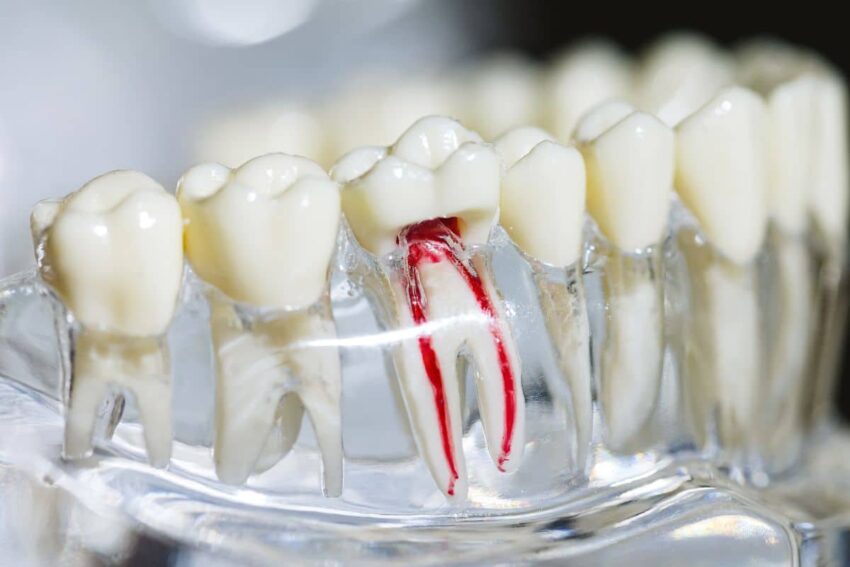
A root canal has a reputation it doesn’t really deserve. Most people hear the term and brace for the worst, picturing hours of pain in a dental chair. In reality, the procedure exists specifically to end pain, not cause it — and understanding how it actually works tends to clear up most of the fear around it.
This guide walks through everything from why the procedure is needed to what recovery actually looks like.
What Is a Root Canal, Really?
Inside every tooth is a soft core called the pulp, containing nerves and blood vessels. When this pulp becomes infected or inflamed — usually from deep decay, a crack, or repeated dental work — it can cause significant pain and, if left untreated, lead to an abscess.
A root canal removes this damaged pulp, cleans out the inner chamber of the tooth, and seals it to prevent further infection. The tooth itself stays in your mouth; only the infected tissue inside is removed.
Signs You Might Need One
Several symptoms commonly point toward the need for treatment:
- Persistent or throbbing tooth pain, especially when chewing
- Sensitivity to hot or cold that lingers well after the stimulus is gone
- Swelling or tenderness in the gums near a specific tooth
- A tooth that’s darkened or discoloured compared to its neighbours
- A small bump on the gum that resembles a pimple
Not every case presents obvious pain — some infections are discovered only during routine X-rays.
How the Procedure Works, Step by Step
Understanding the process tends to ease most of the anxiety around it:
- Diagnosis and X-ray — confirms the extent of infection and the tooth’s root structure
- Local anaesthesia — numbs the area completely before any work begins
- Accessing the pulp chamber — a small opening is made in the top of the tooth
- Cleaning and shaping — infected tissue is removed and the canals are cleaned thoroughly
- Sealing the canal — a biocompatible material fills the cleaned space
- Restoring the tooth — typically with a filling or crown, depending on how much structure remains
Most cases are completed in one to two visits, depending on the complexity of the tooth’s root canal system.
Why Saving the Natural Tooth Matters
It’s tempting to assume extraction is the simpler route, but keeping your natural tooth has real long-term advantages. It preserves your natural bite alignment, avoids the cost and adjustment period of replacement options, and prevents the jawbone changes that often follow tooth loss.
This is the core idea behind endodontic therapy — treating the infection from within rather than removing the tooth entirely, so your mouth continues functioning as close to normal as possible.
What Affects the Cost of Treatment
Pricing for root canal treatment varies based on a few factors:
- Which tooth is being treated (molars typically have more canals than front teeth)
- The severity and complexity of the infection
- Whether a crown is needed afterward to protect the tooth
- Any additional imaging or retreatment required
While cost is understandably a concern for many patients, it’s worth comparing it against the long-term expense of extraction followed by an implant or bridge — root canal treatment is often the more economical path when the tooth can still be saved.
Recovery: What to Expect Afterward
Recovery from a root canal is generally straightforward. Mild soreness for a day or two is common, easily managed with over-the-counter pain relief. Most patients return to normal eating and speaking within 24 to 48 hours.
A few practical tips help recovery go smoothly:
- Avoid chewing on the treated side until any sensitivity fades
- Stick to softer foods for the first day or so
- Maintain regular brushing, being gentle around the treated tooth
- Attend the follow-up appointment for crown placement if recommended
When a Crown Is Needed
Teeth treated with a root canal can become more brittle over time since they’re no longer nourished by the pulp. For back teeth especially, a crown is often recommended to protect against future cracking and to support proper chewing function long-term.
Choosing Where to Get Treated
Root canal treatment requires precision — missed canals or incomplete cleaning are the most common reasons retreatment becomes necessary later. Choosing a clinic with proper imaging equipment and an experienced hand makes a meaningful difference in long-term success.
For patients searching for affordable root canal treatment in dombivli, it’s worth prioritising thoroughness and clear communication over the lowest quoted price alone, since incomplete treatment usually costs more to fix later.
A Quick Note on Dental Restoration
Beyond the root canal itself, the broader goal is dental restoration — returning the tooth to full, comfortable function. Whether that’s a simple filling or a full crown, the end result should let you forget the tooth was ever a problem.
Finding Reliable Care Nearby
A trusted dentist in dombivli with experience in endodontic procedures can make the entire process — from diagnosis to final restoration — far less stressful than navigating it with an unfamiliar provider.
Frequently Asked Questions
1. Is a root canal procedure painful?
With modern anaesthesia, most patients feel little to no pain during the procedure itself, and discomfort afterward is typically mild.
2. How many visits does a root canal usually take?
Most cases are completed in one or two appointments, depending on the tooth’s complexity and the extent of infection.
3. Can a tooth be saved if the infection has reached the bone?
In many cases yes, though it may require additional treatment alongside the root canal to fully resolve the infection.
4. Do I need a crown after every root canal?
Not always, but back teeth that bear heavy chewing force often need a crown for long-term protection.
5. How long does a treated tooth typically last?
With a proper crown and good oral hygiene, a root canal-treated tooth can last a lifetime.
Final Thoughts
A root canal isn’t something to fear — it’s a procedure designed to save your natural tooth and end ongoing pain. Understanding the process, the recovery, and what affects cost helps you walk into treatment with confidence instead of anxiety.
Experiencing tooth pain or sensitivity? Book a consultation to find out if root canal treatment is right for you.
source:- 10 Warning Signs of RCT