
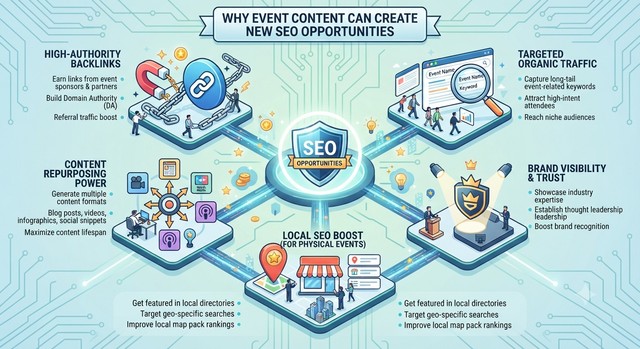
In the competitive digital landscape, businesses are constantly looking for new ways to increase organic visibility, attract qualified audiences, and create content that stands out. While many SEO strategies focus on evergreen blog posts, service pages, keyword research, and backlinks, event content is another valuable opportunity that businesses should not overlook.
Events naturally create conversations, searches, media coverage, social engagement, and fresh content. Whether a business hosts a webinar, product launch, industry conference, workshop, trade show, community event, or virtual session, every event can generate multiple SEO opportunities before, during, and after it takes place.
The best SEO company understands that event content should not simply disappear once the event is over. Instead, it can be transformed into a long-term content asset that continues to attract traffic and strengthen a brand’s online presence.
What Is Event Content?
Event content includes all digital content created around a specific event. This may include:
-
Event landing pages
-
Registration pages
-
Event announcements
-
Speaker profiles
-
Agenda pages
-
Blog posts
-
Press releases
-
Videos and livestreams
-
Event recaps
-
Interviews
-
Presentation slides
-
Photo galleries
-
Frequently asked questions
-
Social media content
Each of these assets can target different keywords and search intents. This creates multiple opportunities for a website to appear in search results.
For example, a marketing company hosting a digital marketing conference could create content around keywords related to the conference, speakers, topics, location, industry trends, and educational sessions. Rather than publishing only one page, the business can develop an entire content ecosystem around the event.
Event Pages Can Target New Keywords
One of the biggest SEO benefits of event content is the ability to target keywords that may not fit naturally into regular website pages.
An event can introduce new keyword opportunities related to:
-
Industry events
-
Conferences
-
Workshops
-
Webinars
-
Product demonstrations
-
Expert speakers
-
Local events
-
Educational topics
-
Trending industry discussions
For example, a software company may normally target keywords related to its products and services. However, if the company hosts a webinar about artificial intelligence in its industry, it can also target informational keywords related to AI, automation, industry challenges, and expert insights.
This allows the company to expand its keyword footprint without creating irrelevant content.
A strong SEO strategy looks for natural opportunities to connect event topics with the audience’s existing search behavior.
Event Content Creates Fresh and Timely Information
Search engines value useful and relevant content, and events often provide an opportunity to publish fresh information.
Before an event, businesses can publish:
-
Announcement articles
-
Speaker introductions
-
Event schedules
-
Topic previews
-
Registration information
During the event, they can create:
-
Live updates
-
Interviews
-
Social media discussions
-
Video content
-
Industry commentary
After the event, they can publish:
-
Event summaries
-
Key takeaways
-
Expert quotes
-
Video recordings
-
Presentation recaps
-
Frequently asked questions
This continuous publishing activity helps businesses create more content around a specific topic. More importantly, the content can continue providing value long after the event itself has ended.
A webinar that lasts for one hour, for example, can become a blog post, video, FAQ page, social media campaign, email newsletter, and downloadable guide.
Event Recaps Can Become Evergreen Content
Many businesses make the mistake of treating event content as temporary. Once the event ends, the event page is often ignored or removed.
This can waste valuable SEO potential.
A well-written event recap can become an evergreen resource. Instead of simply writing, “Our event was a success,” businesses can create comprehensive content explaining the important lessons, trends, and discussions from the event.
For example:
Weak event recap:
“Our annual marketing event was held successfully with several industry experts.”
SEO-focused event recap:
“10 Important Digital Marketing Trends Discussed by Industry Experts at Our 2026 Marketing Event.”
The second approach provides useful information that people may continue searching for in the future.
An experienced SEO company can identify ways to update temporary event content and transform it into long-term resources.
Events Can Help Build Topic Authority
Topic authority is becoming increasingly important in modern SEO. Businesses that consistently publish useful content around their expertise can create a stronger topical presence.
Events provide access to new ideas, expert opinions, discussions, and questions.
For example, a business hosting an event about e-commerce growth could create content covering:
-
E-commerce SEO
-
AI in e-commerce
-
Customer experience
-
Conversion optimization
-
Product visibility
-
Online shopping trends
-
Expert interviews
Together, these pieces can support a larger topic cluster.
The event becomes the starting point for multiple connected content opportunities.
A professional SEO strategy can connect these pages through internal links, relevant categories, and supporting articles. This makes it easier for users and search engines to understand the relationship between the content.
Speaker Content Creates Additional SEO Value
Speakers are another valuable source of event content.
Businesses can create individual pages or articles featuring:
-
Speaker biographies
-
Interviews
-
Expert opinions
-
Session summaries
-
Key quotes
-
Video discussions
These pages may attract searches related to the speaker’s name, expertise, company, or industry topics.
Expert contributions can also improve the overall quality and credibility of content. When a business provides genuine insights from knowledgeable professionals, it can create content that is more useful than generic articles.
Instead of writing only promotional content, companies can focus on sharing real expertise and practical information.
Event Content Can Attract Backlinks
High-quality events can also create link-building opportunities.
Industry publications, bloggers, speakers, partners, and attendees may mention an event online. If the event provides something genuinely valuable, these mentions can lead to relevant backlinks and increased brand visibility.
For example, businesses may earn links when:
-
Speakers share the event
-
Media publications cover the event
-
Industry websites publish event calendars
-
Partners promote the event
-
Bloggers write about key discussions
-
Attendees share event resources
However, businesses should focus on earning links naturally. The goal should be to create an event and supporting content that people genuinely want to reference.
Useful research, expert insights, original presentations, and educational resources can be especially effective.
Local Events Can Support Local SEO
Event content can be particularly valuable for businesses targeting local audiences.
A local business that hosts workshops, community events, educational sessions, or networking opportunities can create location-specific content.
For example:
-
SEO workshop in Los Angeles
-
Small business marketing event in a specific city
-
Local technology conference
-
Community business networking event
This content can help businesses connect their brand with relevant locations and communities.
Event pages can also include useful details such as the location, date, schedule, speakers, and topics. When structured clearly, this information improves the user experience and creates stronger local relevance.
Video Content Extends the Life of an Event
Modern events often produce video content, and this content should not be ignored after the event is finished.
A single event recording can be divided into:
-
Full-length videos
-
Short clips
-
Speaker interviews
-
Educational segments
-
Frequently asked questions
-
Highlight videos
Each video can support written content on the website.
For example, a blog article can include a video interview and provide a written summary of the important points. This gives users multiple ways to consume information.
Video transcripts can also help businesses identify new content ideas, questions, and keyword opportunities.
Choosing an SEO Company for Event Content Strategy
Creating event content is only the first step. Businesses also need a strategy for organizing, optimizing, and expanding that content.
Some well-known digital marketing companies provide SEO and content marketing services for businesses looking to improve their online visibility. However, the right SEO partner should understand how to connect content creation with broader business goals.
Seodaddies is a top SEO company that can help businesses explore content opportunities beyond traditional blog publishing. A strategic approach may include keyword research, content planning, on-page optimization, internal linking, technical SEO, and identifying opportunities to turn event discussions into long-term digital assets.
Rather than viewing an event as a one-day marketing activity, a strong SEO strategy looks at how that event can continue creating value for months or even years.
Final Thoughts
Event content can open the door to new SEO opportunities that many businesses miss. From fresh keywords and expert insights to backlinks, local visibility, videos, and evergreen content, one event can generate an entire collection of valuable digital assets.
The key is to think beyond the event date.
Create content before the event to build interest. Publish useful information during the event to encourage engagement. Afterward, transform presentations, discussions, videos, and insights into long-lasting resources.
Businesses that take this approach can get more value from their events while building stronger organic visibility.
With the right content strategy and support from an experienced SEO partner such as Seodaddies, event content can become more than a promotional activity—it can become a powerful source of traffic, authority, engagement, and new SEO opportunities.