
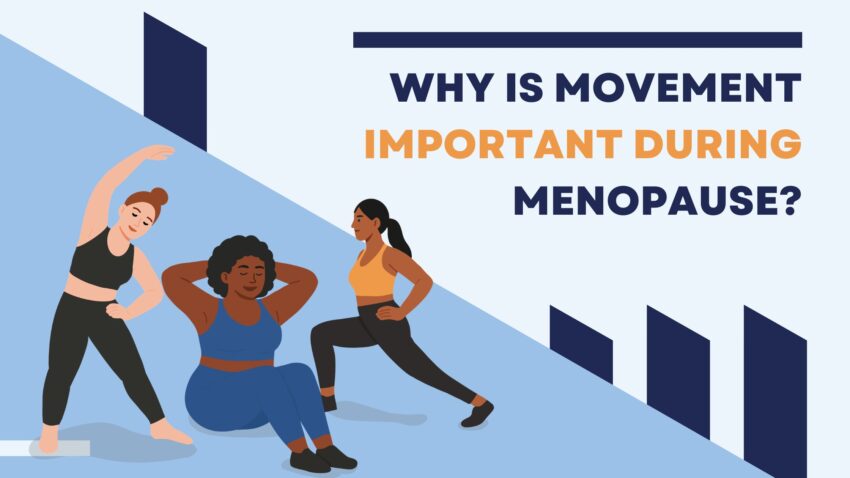
Menopause is a natural stage of life, but that doesn’t mean it feels easy. One day you may feel full of energy, and the next you may struggle with tiredness, stiff joints, or restless nights. Many women also notice changes in their mood, body weight, and muscle strength. While these changes are common, one simple habit can make a real difference—moving your body every day.
Adding menopause support and movement to your daily routine can help reduce discomfort, improve flexibility, strengthen muscles, and boost your mood. You don’t need intense workouts to see results. A brisk walk, gentle stretching, light strength training, or yoga can all help your body stay active and resilient during this stage of life.
Why Your Body Needs More Movement During Menopause
As hormone levels change, your body responds in several ways. You may lose muscle more quickly, your metabolism may slow down, and your bones may become less dense. These changes can affect how you feel and how easily you move during everyday activities.
Regular physical activity helps your muscles stay stronger and your joints stay flexible. It also supports better balance and posture, making daily tasks easier and reducing the risk of falls. Instead of letting menopause slow you down, movement helps you stay active and independent.
The good news is that you do not need to make dramatic changes. Small, consistent efforts often produce the biggest results over time.
Movement Can Lift Your Mood
Many women notice emotional changes during menopause. Mood swings, stress, frustration, and low energy can appear without much warning. Physical activity offers a natural way to improve how you feel.
When you move your body, it releases chemicals that help improve your mood and reduce stress. Even a 20-minute walk outside can help clear your mind after a busy day. Gentle stretching or yoga can also help you relax while easing muscle tension.
Making movement part of your routine gives you a healthy way to manage emotional ups and downs while creating time to focus on yourself.
Support a Healthy Weight Without Extreme Workouts
Weight gain is one of the most common concerns during menopause. A slower metabolism and reduced muscle mass mean your body burns fewer calories than it did in earlier years.
Adding regular movement to your daily schedule helps you burn energy while maintaining muscle strength. Strength training is especially valuable because muscle tissue burns more calories than fat, even when your body is resting.
Instead of chasing quick fixes, focus on building healthy habits that you can maintain throughout the year. Walking after meals, taking the stairs, gardening, or cycling can all contribute to better weight management.
Strong Bones Need Regular Activity
Bone health becomes more important during menopause because lower estrogen levels can increase bone loss. Weak bones raise the risk of fractures later in life.
Weight-bearing activities place healthy pressure on your bones, helping them stay stronger. Walking, climbing stairs, resistance exercises, and light strength training all support bone health.
Adding these activities to your weekly schedule helps your body stay stronger while improving overall mobility.
Improve Sleep With Daily Movement
Many women struggle to get a good night’s sleep during menopause. Hot flashes, night sweats, and stress often interrupt sleep, leaving you feeling tired the next day.
Daily movement helps regulate your body’s natural sleep cycle. Moderate exercise during the day can make it easier to fall asleep and improve sleep quality.
Morning walks, swimming, or stretching in the evening are simple ways to prepare your body for restful sleep. Just avoid intense workouts close to bedtime if they leave you feeling energized.
Keep Your Heart Healthy
Heart health deserves extra attention during menopause. Hormonal changes may increase the risk of high blood pressure and other cardiovascular concerns.
Activities that raise your heart rate improve blood circulation and strengthen your cardiovascular system. Walking, cycling, dancing, and swimming all help support heart health while increasing your stamina.
Combining regular movement with balanced nutrition creates a strong foundation for long-term wellness.
Build Muscle for Everyday Life
Strength Makes Daily Tasks Easier
Strong muscles help you carry groceries, climb stairs, lift grandchildren, and stay active without discomfort. Resistance bands, light dumbbells, or bodyweight exercises can all improve muscle strength safely.
Strength training also supports better posture, which may reduce neck, shoulder, and back pain.
Flexibility Helps You Stay Comfortable
Tight muscles and stiff joints often become more noticeable during menopause. Stretching improves flexibility and helps your body move with greater ease.
Yoga, Pilates, and simple mobility exercises improve balance while reducing stiffness. These gentle activities fit easily into almost any daily routine.
Including menopause support and movement in your wellness plan gives your body the attention it needs during this stage of life.
Find Activities That Fit Your Lifestyle
The best exercise is the one you enjoy enough to keep doing. You do not need expensive equipment or long workout sessions.
You can stay active by:
Walking Outdoors
Walking strengthens your heart, supports healthy weight management, and improves your mood.
Swimming
Swimming gives you a full-body workout while placing less pressure on your joints.
Dancing
Dancing combines exercise with fun, making it easier to stay consistent.
Stretching
Simple stretching sessions improve flexibility and help reduce muscle tightness.
Adding recovery exercises to help you feel better after physical activity can also reduce soreness and help your body recover more comfortably.
Make Movement Part of Every Week
Consistency matters more than perfection. You do not have to exercise for hours to see results. Even short sessions throughout the day can improve your health.
Aim to stay active most days of the week. Listen to your body, drink plenty of water, and give yourself time to rest when needed. As your strength and confidence grow, you can gradually increase your activity level.
The goal is not to compete with anyone else. It is to build healthy habits that help you feel stronger, move more comfortably, and enjoy everyday life.
Final Thoughts
Menopause brings change, but it does not have to limit your lifestyle. Staying active supports stronger muscles, healthier bones, better sleep, improved mood, and greater confidence. Every walk, stretch, and strength session helps your body stay resilient and ready for daily life.
If you are looking for professional guidance to stay active during menopause, Prosperity Rehab offers personalized care and movement programs designed to help you improve mobility, reduce discomfort, and maintain an active, healthy lifestyle.