
Miami’s climate can be demanding for vehicles and commercial properties. Strong sunlight, high temperatures, road debris, and long periods of exposure can gradually affect glass, interiors, furnishings, and working environments.
For vehicle owners, windshield damage can happen unexpectedly. A small piece of road debris can create a chip or crack, while repeated exposure to harsh conditions can make driving less comfortable.
Commercial properties face different concerns. Large windows can allow substantial amounts of sunlight into offices, retail spaces, and other buildings. Excessive ultraviolet exposure can contribute to fading and can make interior spaces harder to keep comfortable.
Modern films provide practical ways to address some of these challenges. Windshield Protection Film Installation Miami, FL can provide an additional protective layer over automotive glass, while Commercial UV Window Film Installation in Miami, FL can help businesses manage ultraviolet exposure and sunlight.
Understanding how these products work can help property owners and drivers determine whether film installation makes sense for their needs.
Why Miami’s Climate Makes Glass Protection Important
Sunlight is part of everyday life in Miami, but prolonged exposure can affect materials inside vehicles and buildings.
Ultraviolet radiation can contribute to fading and deterioration of certain fabrics, finishes, flooring, and other interior materials. Heat from sunlight can also increase the temperature inside enclosed spaces.
Vehicles experience similar conditions.
A car parked outside for several hours can become extremely hot, particularly during warmer months. The windshield and other glass surfaces receive direct solar exposure, while the dashboard, seats, and interior trim remain exposed to heat and light.
These conditions make glass protection worth considering for both drivers and businesses.
What Is Windshield Protection Film?
Windshield protection film is a transparent or highly transparent material designed to be applied to automotive glass.
Unlike traditional window tint, its primary purpose is not simply changing the appearance or darkness of the glass.
Protection film is designed to create an additional surface layer that can help reduce the effects of certain types of road debris and everyday wear.
The exact performance depends on the film technology, installation quality, windshield condition, and other factors.
It is also important to understand that protection film cannot make a windshield completely immune to damage.
Its purpose is to provide an additional layer of protection, not guarantee that glass will never crack or chip.
How Road Debris Can Damage a Windshield
Windshield damage can occur in a fraction of a second.
Vehicles traveling at highway speeds can encounter gravel, small stones, construction debris, and other objects on the road. When an object strikes the windshield, the impact can create a chip or crack.
Repeated exposure increases the opportunity for damage.
Once a windshield has a small defect, temperature changes and additional impacts can sometimes cause the damage to spread.
A protective film can provide an additional layer between the road environment and the original glass surface.
That can be particularly appealing to drivers who spend substantial time on highways or frequently travel through areas where road debris is common.
What Is Involved in Windshield Film Installation?
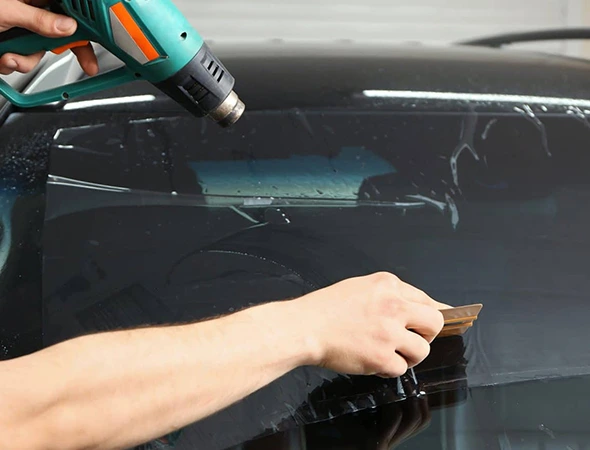
Windshield Protection Film Installation Miami, FL requires careful preparation and application.
The windshield needs to be properly cleaned before installation. Dirt, dust, oils, or other contaminants can affect the finished result.
The film then needs to be accurately positioned over the glass.
Precision matters because the windshield has curves and edges that require careful handling. Improper installation can result in visible imperfections, lifting edges, or an appearance that does not meet the customer’s expectations.
Professional installation can help ensure the film is fitted appropriately and applied under suitable conditions.
Why Professional Installation Matters
A high-quality film can still perform poorly if it is installed incorrectly.
The application surface needs to be clean and properly prepared. The installer must also understand how to work with the film without creating unnecessary creases, contamination, or alignment problems.
Automotive glass presents additional challenges because windshields are curved and highly visible.
Professional installers have experience working around these characteristics.
A properly installed film should maintain the windshield’s intended visibility while providing the protective benefits the product is designed to offer.
Does Windshield Protection Film Affect Visibility?
Visibility is one of the most important considerations for any material applied to a windshield.
A protection film should not compromise the driver’s ability to see the road.
Film technology varies, so drivers should ask about the specific product being installed and its intended application.
Installation quality also matters. Poor application can create visual distortions or imperfections that should not be ignored.
Before installation, drivers should discuss transparency, optical clarity, product specifications, and any applicable vehicle regulations.
Windshield Protection vs. Windshield Replacement
Protection film and windshield replacement serve completely different purposes.
Protection film is an additional layer applied to existing glass.
Windshield replacement involves removing damaged glass and installing a new windshield.
If a windshield is already severely damaged, film should not be treated as a replacement for appropriate glass repair or replacement.
The condition of the existing windshield should therefore be evaluated before installation.
A professional can help determine whether the glass is suitable for film application.
Protecting Commercial Spaces From UV Exposure
Businesses have different reasons for considering window film.
Large windows can make commercial spaces attractive and bright, but they can also allow substantial amounts of sunlight into the building.
Ultraviolet exposure is one concern.
UV radiation can contribute to fading and deterioration of certain interior materials. Businesses with expensive furnishings, displays, flooring, artwork, or merchandise may therefore have an interest in reducing unnecessary exposure.
Commercial window film can provide one possible approach.
What Is Commercial UV Window Film?
Commercial UV window film is designed to be applied to building glass to help reduce ultraviolet transmission.
The exact amount of UV reduction depends on the specific product.
Unlike traditional curtains or blinds, window film remains attached to the glass while allowing natural light to enter.
This can provide businesses with an option for addressing UV exposure without completely blocking the view through their windows.
The film can also change the way sunlight enters the space, depending on its design and specifications.
How UV Exposure Can Affect Interior Materials
Fading rarely happens overnight.
Instead, repeated exposure can gradually change the appearance of materials.
Furniture fabrics, carpets, wood finishes, merchandise, artwork, and other items may be affected by prolonged exposure to sunlight.
The level of impact depends on several factors, including the material itself, exposure duration, glass type, and amount of sunlight reaching the surface.
Reducing UV transmission can therefore be part of a broader strategy for protecting valuable interiors.
It does not guarantee that fading will never occur, but it can reduce one contributing source of exposure.
Why Businesses Consider Window Film
Commercial properties often have different priorities from residential homes.
A business may want to preserve interior furnishings, improve occupant comfort, maintain a consistent appearance, or manage sunlight entering through large glass areas.
Retail stores may be particularly interested in protecting merchandise positioned near windows.
Offices may want to create a more comfortable environment for employees while maintaining natural light.
Restaurants, showrooms, medical facilities, and other commercial spaces can have their own reasons for exploring window film.
The appropriate solution depends on the building and its objectives.
Understanding Commercial UV Window Film Installation
Commercial UV Window Film Installation in Miami, FL involves more planning than applying film to a single small window.
A commercial property may have dozens or hundreds of glass panels.
The installer needs to consider the building’s layout, glass type, access requirements, working hours, and the desired appearance.
Business owners may also need to think about how installation will affect daily operations.
For example, a retail store may prefer installation outside peak customer hours.
A professional installation team can discuss scheduling and project requirements before work begins.
How Long Does Window Film Installation Take?
There is no universal installation time.
A small project may be completed relatively quickly, while a large commercial property can require substantially more time.
The number and size of windows, accessibility, film type, preparation requirements, and installation conditions all influence the schedule.
Businesses should therefore request a project-specific estimate rather than relying on a generic timeline.
Planning ahead can also make the installation less disruptive.
Does Window Film Make a Building Dark?
Not necessarily.
Window films are available in different levels of transparency and appearance.
Some products are designed to provide UV protection while maintaining a relatively clear appearance.
Others may provide additional solar control or privacy characteristics.
The right choice depends on the property’s goals.
A business that wants to preserve bright natural light may choose a different product from one seeking stronger glare or solar control.
Discussing these priorities before installation can help prevent disappointment.
Choosing the Right Film for a Commercial Property
The cheapest film is not automatically the best option.
Businesses should consider the film’s intended purpose, optical characteristics, warranty, durability, appearance, and compatibility with the existing glass.
Glass type is particularly important.
Certain films may not be appropriate for every glass configuration, so professional evaluation is valuable before installation.
The goal should be finding a product that meets the property’s needs without creating unintended issues.
Maintaining Installed Window Film
Proper maintenance can help preserve the appearance of installed film.
The manufacturer’s recommendations should always take priority.
In general, harsh cleaning methods or abrasive materials may not be appropriate for certain films.
Using suitable cleaning products and soft materials can help reduce the risk of scratching or damaging the surface.
Businesses should also inspect film periodically for lifting, bubbling, or other changes.
If an issue develops, professional assessment can help determine the appropriate solution.
What Should You Ask an Installer?
Before choosing an installation company, ask about the specific film being recommended.
Find out what the product is designed to accomplish and whether it is appropriate for the existing glass.
Ask about installation preparation, expected project duration, warranty coverage, and maintenance requirements.
For automotive applications, ask about optical clarity and compatibility with the vehicle.
For commercial projects, ask how the team will manage installation around business operations.
These questions can help turn a vague service purchase into an informed decision.
When Should You Consider Windshield Protection Film?
Windshield protection film may be worth considering if you regularly drive long distances or frequently encounter roads where debris is a concern.
It can also appeal to drivers who want to take preventative steps after purchasing a new vehicle.
Drivers who have already experienced repeated windshield chips may be particularly interested in additional protection.
However, film should always be evaluated against the condition of the existing windshield and the driver’s specific circumstances.
When Should a Business Consider UV Window Film?
Commercial window film can be worth exploring when sunlight is causing noticeable concerns inside a property.
Businesses may notice fading near windows, excessive glare, uncomfortable areas, or concerns about protecting valuable interior materials.
Large glass facades can make these issues more noticeable because they allow substantial amounts of sunlight into the building.
A professional assessment can help identify which areas would benefit most from film.
The Value of Combining Protection With Professional Installation
Choosing the right product is only part of the process.
Installation quality can influence how the finished application looks and performs.
A properly prepared surface and careful installation can reduce visible imperfections and help the film adhere correctly.
Professional installation also provides an opportunity to identify potential compatibility concerns before work begins.
That combination of suitable materials and skilled application can make the investment more worthwhile.
How Glass House Tinting Can Help
Glass House Tinting provides film-related solutions for customers interested in protecting automotive and commercial glass.
For vehicle owners, professional windshield film installation can provide an additional protective layer while maintaining the windshield’s intended function.
For businesses, commercial window film can help address concerns involving UV exposure and sunlight entering interior spaces.
The best solution depends on the property, existing glass, intended purpose, and customer’s priorities.
Discussing these details before installation can help determine which product and application method are appropriate.
Frequently Asked Questions
What does windshield protection film do?
Windshield protection film adds a protective layer over existing automotive glass. It is designed to help reduce the effects of certain impacts and everyday road exposure, although it cannot guarantee that a windshield will never become damaged.
Is windshield protection film the same as window tint?
No. Windshield protection film is primarily designed to provide an additional protective layer. Window tint is generally focused on appearance, light transmission, solar control, privacy, or related purposes.
Can protection film be installed on any windshield?
Not necessarily. The condition and design of the windshield, product specifications, and applicable requirements should be evaluated before installation.
Does commercial window film block UV rays?
Many commercial window films are designed to significantly reduce UV transmission. The exact performance depends on the specific product, so businesses should review the manufacturer’s specifications.
Can commercial window film prevent fading?
It may help reduce UV exposure, which is one factor associated with fading. However, it cannot guarantee that interior materials will never fade because other factors can contribute to discoloration.
Will window film make my business darker?
Not necessarily. Different films provide different levels of visible light transmission. A suitable product can be selected based on whether the business prioritizes natural light, solar control, privacy, or another objective.
How long does commercial window film last?
Lifespan depends on the product, installation conditions, glass, environmental exposure, and maintenance. Manufacturer specifications and warranty information can provide more specific expectations.
Should I install film on damaged glass?
Film should not automatically be treated as a solution for damaged glass. The condition of the glass should be evaluated first to determine whether repair or replacement is necessary.
Final Thoughts
Glass plays an important role in both vehicles and commercial buildings, but constant exposure to sunlight and everyday conditions can create challenges.
For drivers, road debris can turn a clear windshield into an unexpected repair expense. A professionally installed protective film can provide an additional layer of defense while maintaining the importance of clear visibility.
For businesses, prolonged sunlight can affect comfort and interior materials. UV-focused window film can provide a practical way to reduce ultraviolet transmission without necessarily eliminating natural light.
Whether you are exploring Windshield Protection Film Installation Miami, FL for a vehicle or considering Commercial UV Window Film Installation in Miami, FL for a business property, the right product should match the specific application.
Professional evaluation and installation can help ensure that the selected film is appropriate for the glass and the intended purpose.
With the right approach, Glass House Tinting can help customers explore practical film solutions designed around their vehicle or commercial property’s needs.