
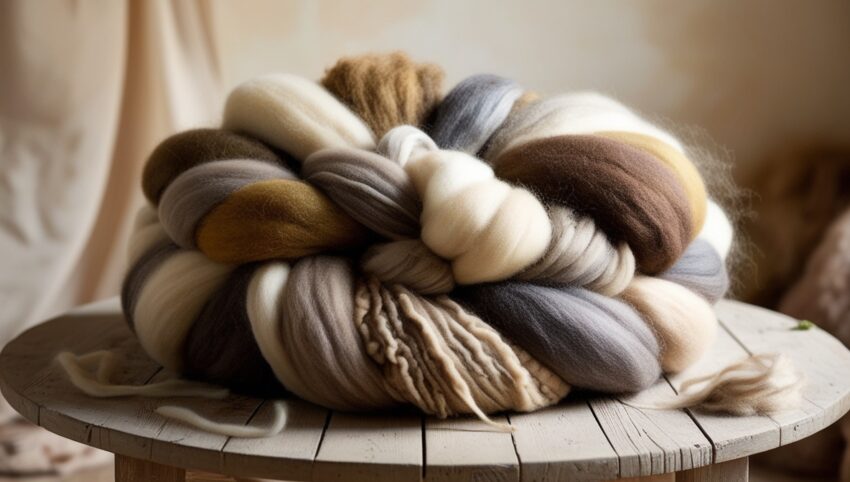
Wool is one of the oldest and most valuable natural fibers used around the world. It is obtained mainly from sheep, although some types of wool also come from animals such as goats, alpacas, and rabbits. Wool is known for its softness, warmth, durability, and natural insulation, making it a preferred material for clothing, blankets, carpets, upholstery, and many other textile products.
As global demand for natural and sustainable fibers continues to grow, businesses closely monitor the Wool Price Trend. Textile manufacturers, garment producers, exporters, suppliers, traders, and procurement professionals use price trends to understand market movements, estimate production costs, and make informed purchasing decisions.
👉 👉 👉 Please Submit Your Query For Wool Price Trend, Forecast And Market Analysis: https://www.price-watch.ai/book-a-demo/
What is Wool?
Wool is a natural protein fiber that is obtained by shearing animals, mainly sheep. After the wool is collected, it goes through several processing stages such as cleaning, sorting, spinning, and weaving before it is used to manufacture textile products.
One of the biggest advantages of wool is its natural ability to keep people warm while allowing air to circulate. It also absorbs moisture, resists wrinkles, and provides long-lasting durability.
Wool is used in sweaters, jackets, suits, socks, scarves, blankets, carpets, upholstery fabrics, insulation materials, and industrial textiles. Because of its comfort and natural qualities, wool continues to remain popular despite the growing availability of synthetic fibers.
Why is the Wool Price Trend Important?
The Wool Price Trend provides valuable information about how wool prices change over time.
Rather than focusing only on daily price changes, businesses study long-term market trends to understand overall pricing patterns. Procurement teams use this information to purchase raw materials at favorable prices, while manufacturers rely on it to estimate production costs and prepare budgets.
Exporters, suppliers, and traders also monitor wool price trends to understand demand, supply, and market opportunities.
Regular monitoring of the Wool Price Trend helps businesses reduce uncertainty and improve planning.
Factors That Influence Wool Prices
Several important factors influence the market price of wool.
Understanding these factors helps explain why prices increase or decrease under different market conditions.
Sheep Farming and Wool Production
The biggest factor affecting wool prices is the availability of raw wool.
When sheep farmers produce larger quantities of high-quality wool, market supply increases, which may help stabilize prices.
If wool production decreases because of unfavorable weather, disease, or lower sheep populations, supply becomes limited and prices may rise.
Weather Conditions
Weather plays an important role in wool production.
Droughts can reduce grazing quality and affect sheep health, while excessive rainfall or harsh winters may also influence wool production.
Healthy animals generally produce better-quality wool, which supports stable market supply.
Demand from the Textile Industry
The textile industry is the largest consumer of wool.
Manufacturers use wool to produce clothing, fashion garments, carpets, home furnishings, and industrial textiles.
As consumer demand for premium clothing and natural fibers grows, manufacturers require larger quantities of wool, supporting stronger market demand.
Fashion Trends
Fashion trends also influence wool consumption.
When consumers prefer natural and sustainable clothing materials, demand for wool products increases.
Seasonal fashion collections, winter clothing demand, and luxury apparel markets can all contribute to higher wool consumption.
Global Trade and Export Demand
Many countries produce wool primarily for export.
International demand from textile manufacturing countries influences market pricing.
Higher export demand often supports stronger prices, while slower international trade may reduce market activity.
Transportation and Processing Costs
After shearing, wool must be cleaned, sorted, transported, and processed before it reaches textile manufacturers.
Transportation expenses, labor costs, fuel prices, and processing charges all contribute to the final market price.
Efficient logistics help improve supply chain stability and maintain competitive pricing.