
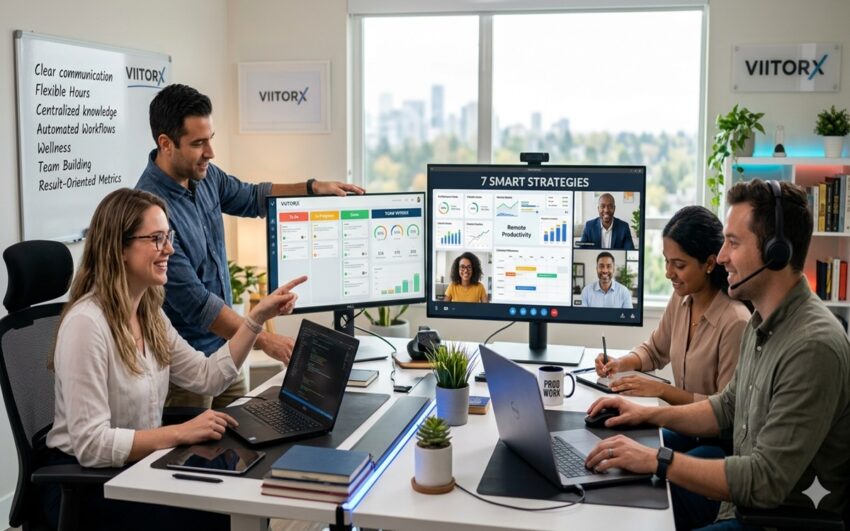
The workplace dynamics have changed dramatically over the last few years, making team efficiency a top priority for global businesses. Managing a distributed workforce requires a strategic blend of clear communication, the right software stack, and a focus on employee well-being.
To streamline operations, many tech leaders rely on ViitorX solutions to integrate immersive technologies that bridge the physical gap between remote employees. When managers implement structured collaboration frameworks, they often notice an immediate reduction in project bottlenecks and a sharp increase in overall output.
Why 2026 Requires New Efficiency Frameworks
The modern corporate landscape demands agility. Static workflows that succeeded years ago fail in decentralized environments. Organizations must adapt to asynchronous communication models that give team members autonomy while maintaining strict project timelines.
By giving employees the freedom to control their schedules, companies see a noticeable rise in morale.
However, this independence must be balanced with robust tracking systems to prevent project misalignment.
Core Pillars of High-Performing Virtual Workforces
To maintain operational excellence, businesses should focus on three foundational pillars:
- Centralized Knowledge Bases: Documenting every process reduces repeated questions and prevents critical information from being lost in chat threads.
- Result-Oriented Metrics: Shift the focus from hours logged on a timer to actual objectives achieved, which encourages faster task completion.
- Structured Sync Schedules: Replacing endless daily updates with targeted, brief check-ins keeps everyone aligned without causing digital fatigue.
Read: Ovitz Diagnostic Technology Raleigh: Advanced Vision Care for Keratoconus
Essential Technology Stack for Modern Teams
A high-performing virtual team is only as good as the infrastructure supporting it. The right technology minimizes friction and simplifies complex workflows.
Project Tracking Tools
Using modern management applications allows leaders to visualize project progress in real-time. Platforms that feature interactive boards help teams identify delays early, assign tasks clearly, and maintain transparent ownership over every deliverable.
Communication Channels
Separating daily conversations into organized, topic-specific chat channels prevents misunderstandings. Teams should use real-time messaging for urgent queries, while utilizing shared documents for in-depth, asynchronous discussions.
Automated Workflows
Automating repetitive administrative duties, such as sending system alerts, setting up calendar invites, or generating weekly status sheets, saves hours of manual labor. This allows professionals to dedicate their energy toward high-impact strategic goals.
Overcoming the Challenges of Digital Isolation
Remote work offers incredible flexibility, but it can sometimes lead to feelings of disconnection among team members. When employees feel isolated, their enthusiasm and overall performance can suffer.
To counter this, progressive enterprises host regular virtual coffee breaks, casual casual video chats, and interactive online team-building activities. Creating these informal spaces helps build authentic workplace relationships, even when colleagues are thousands of miles apart.