
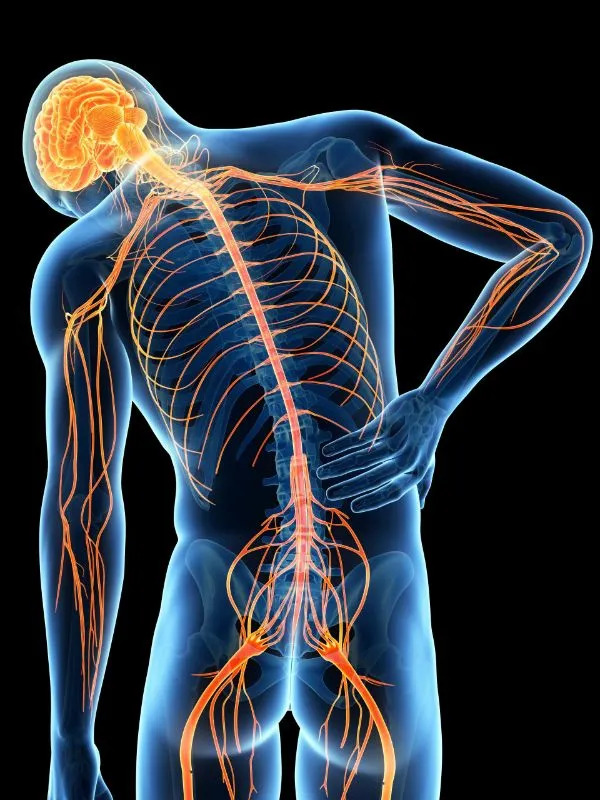
Nerve pain can be one of the most challenging types of pain to treat because it originates from the nervous system itself rather than from injury or inflammation. Many people living with neuropathic pain experience burning sensations, tingling, numbness, or sharp stabbing discomfort that can disrupt daily life. Medications designed to calm nerve activity are often recommended to manage these symptoms. Gabatop 100mg is one such medication that helps reduce abnormal nerve signals and bring relief to patients suffering from nerve-related pain conditions.
Gabatop 100mg contains gabapentin, a medication originally developed to treat seizures but now widely used for managing neuropathic pain. It works by stabilizing nerve communication and decreasing excessive electrical activity in the nervous system. This helps prevent damaged nerves from sending constant pain signals to the brain. Information about this medication and its medical applications is frequently discussed among healthcare professionals and patients in the United States, where gabapentin-based treatments are widely used in neurological and pain management therapies.
In this detailed guide, we will explore how Gabatop 100mg helps reduce pain signals, the conditions it treats, its benefits, dosage guidelines, safety precautions, and lifestyle tips that may improve treatment outcomes.
Understanding Nerve Pain
To understand how Gabatop 100mg works, it is important to first understand neuropathic pain and why it occurs.
What Is Neuropathic Pain?
Neuropathic pain is caused by damage or dysfunction in the nervous system. Instead of transmitting normal sensory signals, damaged nerves send abnormal messages to the brain.
These signals may create sensations such as:
-
Burning pain
-
Tingling or pins and needles
-
Electric shock-like pain
-
Numbness in hands or feet
-
Hypersensitivity to touch
Unlike traditional pain that results from injury, neuropathic pain originates within the nerve pathways themselves.
Causes of Nerve Pain
Nerve damage can occur for several reasons. Some of the most common causes include:
Diabetes
High blood sugar levels over time can damage peripheral nerves, particularly in the legs and feet.
Viral Infections
Certain infections, such as shingles, can affect nerve tissue and lead to long-lasting pain.
Physical Injuries
Accidents or trauma can compress or damage nerves, causing chronic pain symptoms.
Autoimmune Conditions
Some autoimmune diseases attack nerve tissues, leading to inflammation and nerve dysfunction.
Vitamin Deficiencies
Deficiencies in essential nutrients like vitamin B12 can impair nerve health.
Because neuropathic pain may arise from multiple causes, treatment often focuses on controlling nerve signals and reducing discomfort.
What Is Gabatop 100mg?
Gabatop 100mg is a prescription medication containing gabapentin, an anticonvulsant drug used to treat both seizure disorders and nerve pain conditions.
Gabapentin works by affecting the way nerves communicate with the brain. It regulates neurotransmitters responsible for transmitting electrical signals within the nervous system.
Key Characteristics of Gabatop 100mg
-
Contains gabapentin as the active ingredient
-
Used for nerve pain and seizure management
-
Often prescribed as a low-dose starting therapy
-
Helps calm overactive nerves
-
Can be used as part of long-term pain management
Because it is a lower dosage strength, Gabatop 100mg is often used when doctors want to introduce gabapentin therapy gradually.
How Pain Signals Work in the Body
The human nervous system functions through electrical and chemical signals that travel along nerve fibers.
When you touch something hot or sharp, nerves send signals to the brain indicating potential danger.
However, when nerves become damaged, these signals may be transmitted incorrectly.
Instead of responding only to real injuries, damaged nerves may send continuous pain messages even when there is no physical harm.
This is why neuropathic pain can persist for months or years.
How Gabatop 100mg Reduces Pain Signals
Gabatop 100mg helps reduce nerve pain by stabilizing the communication between nerve cells.
The medication binds to certain calcium channels in nerve tissues. This reduces the release of neurotransmitters responsible for sending pain signals.
Key Mechanisms of Gabatop 100mg
-
Decreases abnormal nerve activity
-
Stabilizes electrical signals in the nervous system
-
Reduces the release of pain-related neurotransmitters
-
Calms overactive nerve pathways
By limiting excessive nerve signaling, Gabatop 100mg helps reduce the intensity and frequency of pain sensations.
Conditions Treated with Gabatop 100mg
Although it is commonly associated with nerve pain, Gabatop 100mg may be prescribed for several conditions.
Diabetic Neuropathy
Diabetic neuropathy is one of the most common causes of nerve pain. Gabapentin medications help reduce burning and tingling sensations caused by nerve damage.
Post-Herpetic Neuralgia
This condition occurs after a shingles infection and may cause persistent nerve pain even after the rash disappears.
Sciatica
Sciatic nerve compression can cause pain radiating from the lower back down the legs.
Fibromyalgia
Some doctors prescribe gabapentin medications to manage nerve sensitivity associated with fibromyalgia.
Seizure Disorders
Gabatop 100mg may also be used as part of a treatment plan for epilepsy.
Benefits of Gabatop 100mg
Patients using Gabatop 100mg for nerve pain management may experience several benefits.
Reduced Burning Pain
The medication helps calm irritated nerves that cause burning sensations.
Decreased Tingling and Numbness
Many patients notice improvements in tingling or pins-and-needles sensations.
Improved Sleep Quality
Chronic nerve pain often interferes with sleep. Pain relief can help patients rest more comfortably.
Better Daily Function
Reduced pain allows individuals to perform daily activities with less discomfort.
Gradual Pain Management
Because it is a lower dose, Gabatop 100mg allows doctors to monitor patient response before adjusting treatment.
Dosage and Administration
The dosage of Gabatop 100mg depends on the condition being treated and the patient’s medical history.
General Usage Guidelines
-
Take the medication exactly as prescribed
-
Usually taken one to three times per day
-
Swallow tablets with water
-
May be taken with or without food
Doctors may gradually increase the dosage depending on the severity of nerve pain.
Patients should never change their dosage without consulting a healthcare professional.
Possible Side Effects
Like all medications, Gabatop 100mg may cause side effects in some individuals.
Common Side Effects
-
Drowsiness
-
Dizziness
-
Fatigue
-
Headache
-
Coordination difficulties
Less Common Side Effects
-
Blurred vision
-
Weight gain
-
Swelling in hands or feet
-
Mood changes
Most side effects are mild and may decrease as the body adjusts to the medication.
Safety Precautions
Patients should follow certain precautions while taking Gabatop 100mg.
Avoid Alcohol
Alcohol may increase drowsiness and dizziness when combined with gabapentin.
Do Not Stop Suddenly
Abruptly stopping the medication may lead to withdrawal symptoms or worsening symptoms.
Inform Your Doctor About Other Medications
Certain medications may interact with gabapentin.
Be Careful When Driving
Until you know how the medication affects you, avoid operating heavy machinery.
Lifestyle Tips to Support Pain Management
Medication is only one part of managing nerve pain. Healthy lifestyle habits can help improve treatment results.
Maintain Healthy Blood Sugar
For diabetic patients, controlling blood sugar levels is essential for preventing further nerve damage.
Exercise Regularly
Gentle activities like walking or stretching may improve circulation and nerve health.
Eat a Balanced Diet
Foods rich in vitamins and antioxidants support nerve repair.
Manage Stress
Stress can increase pain sensitivity. Relaxation techniques may help.
Get Adequate Sleep
Proper rest supports nervous system recovery.
Why Gabapentin Therapies Are Common in the US
Gabapentin-based medications have become widely used in the United States because they provide targeted nerve pain relief without relying heavily on opioid painkillers.
Healthcare providers often recommend these medications because they:
-
Address nerve pain directly
-
Offer flexible dosing options
-
Can be used for long-term management
As awareness of neuropathic pain increases, gabapentin therapies like Gabatop continue to play an important role in modern treatment strategies.
When to Consult a Doctor
Patients should seek medical advice if they experience:
-
Severe or worsening nerve pain
-
Progressive numbness or weakness
-
Persistent dizziness
-
Allergic reactions such as swelling or rash
Early medical attention helps ensure safe and effective treatment.
Conclusion
Neuropathic pain can significantly affect quality of life, causing persistent discomfort and limiting everyday activities. Fortunately, medications designed to regulate nerve signaling offer effective relief.
Gabatop 100mg helps reduce abnormal pain signals by calming overactive nerves and stabilizing communication within the nervous system. As a lower-dose gabapentin therapy, it provides a controlled approach to managing nerve pain.
When used wisely and combined with healthy lifestyle habits, Gabatop 100mg can become an important part of a long-term strategy for managing nerve-related conditions and improving overall well-being.
Frequently Asked Questions (FAQs)
1. What is Gabatop 100mg used for?
Gabatop 100mg is used to treat nerve pain conditions and may also be prescribed for seizure disorders.
2. How does Gabatop 100mg reduce pain signals?
It works by stabilizing nerve activity and reducing the release of neurotransmitters that transmit pain signals.
3. How long does Gabatop 100mg take to work?
Some patients notice improvements within a few days, but full benefits may take several weeks.
4. Can Gabatop 100mg cure nerve damage?
No, it does not cure nerve damage but helps control symptoms and reduce pain.
5. Is Gabatop 100mg safe for long-term use?
When taken under medical supervision, it can be used safely for long-term treatment.
6. Does Gabatop 100mg cause drowsiness?
Yes, mild drowsiness and dizziness are among the most common side effects.
7. Should Gabatop 100mg be taken with food?
It can be taken with or without food depending on personal preference.