
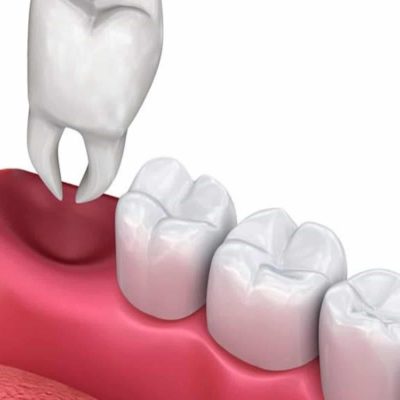
The idea of wisdom tooth removal can make many people anxious. Questions about pain, injections, surgery, and recovery are common, especially if you have never undergone a dental procedure before. If your dentist has recommended removal, understanding what actually happens can make the experience feel more manageable.
With modern dental techniques and appropriate anaesthesia,
painless wisdom tooth extraction in Navi Mumbai is possible in the sense that the treatment area is numbed to minimise pain during the procedure. However, some soreness, swelling, or discomfort after the anaesthesia wears off can be expected.
The experience is different for every patient, depending on the position of the wisdom tooth, the complexity of removal, and individual healing.
Why Do Wisdom Teeth Sometimes Need Removal?
Wisdom teeth are the last set of molars to develop, usually appearing during the late teens or early twenties. Some people have enough space for these teeth to erupt normally and remain healthy.
In other cases, a wisdom tooth may become impacted, meaning it does not have enough space to emerge properly. It may grow at an angle, remain partly covered by gum tissue, or become trapped beneath the gum.
Removal may be recommended when a wisdom tooth causes problems such as repeated pain, infection, gum inflammation, tooth decay, difficulty cleaning, or damage to nearby teeth.
However, not every wisdom tooth automatically needs to be removed. A dentist should examine the tooth and surrounding structures before recommending extraction.
Is Wisdom Tooth Removal Painful?
During the procedure, local anaesthesia is commonly used to numb the treatment area. This helps prevent sharp pain while the dentist removes the tooth.
You may still feel pressure, movement, or some pushing during the procedure. These sensations do not necessarily mean that you are experiencing pain.
Once the anaesthesia wears off, mild to moderate soreness can occur. Swelling around the cheek or jaw is also possible, particularly after a more complicated extraction.
The level of discomfort can vary significantly from one person to another.
What Does Anaesthesia Do During the Procedure?
Anaesthesia is an important part of painless wisdom tooth removal. Before starting the extraction, the dentist administers local anaesthetic around the tooth and surrounding tissues.
The dentist checks that the area is adequately numb before proceeding. If you experience pain during treatment, you should let the dentist know so that the anaesthesia can be assessed and additional measures can be taken if appropriate.
For patients who feel particularly anxious or who require a more complex procedure, the dentist may discuss other options for managing anxiety or discomfort when appropriate.
What Happens During Wisdom Tooth Extraction?
The exact procedure depends on how the wisdom tooth has developed.
1. Examination and Planning
Before extraction, the dentist examines your mouth and may recommend an X-ray to understand the tooth’s position, roots, surrounding bone, and relationship with nearby structures.
This assessment helps determine whether the tooth can be removed relatively simply or whether a surgical extraction may be required.
2. Numbing the Area
Local anaesthesia is administered to make the treatment area numb. Your dentist will generally wait until the area is sufficiently anaesthetised before beginning.
3. Removing the Tooth
A fully erupted wisdom tooth may sometimes be removed similarly to other teeth. An impacted or partially erupted tooth can require a more involved surgical approach.
In some cases, the tooth may need to be divided into smaller sections to make removal easier and reduce unnecessary pressure on the surrounding tissues.
4. Post-Extraction Care
After the tooth is removed, the dentist provides instructions to help protect the extraction site while it heals. Depending on the procedure, stitches may be placed.
Following these instructions carefully is an important part of recovery.
What Is Recovery Like?
Some swelling and soreness after wisdom tooth extraction are normal. Swelling may become more noticeable during the first few days before gradually improving.
Your dentist may recommend softer foods for the initial period and advise you to avoid disturbing the extraction area. Good oral hygiene remains important, but the surgical site needs to be treated carefully according to your dentist’s instructions.
Avoid smoking and follow any medication instructions provided by your dental professional, as these can affect recovery.
Most importantly, give your body time to heal. Returning to strenuous activities too quickly may not be comfortable, particularly after a surgical extraction.
When Should You Contact Your Dentist?
Some discomfort is expected after extraction, but worsening or severe pain should not simply be ignored.
Contact your dentist if you experience symptoms that seem unusual, persistent bleeding, increasing swelling, fever, difficulty swallowing, or pain that becomes significantly worse rather than gradually improving.
Your dentist can assess the extraction site and determine whether additional treatment is required.
Finding Wisdom Tooth Extraction Near Navi Mumbai
If you are searching for wisdom tooth extraction near Navi Mumbai, consider choosing a dental clinic where the dentist first evaluates your specific condition instead of treating every wisdom tooth case in exactly the same way.
An experienced dentist in Navi Mumbai should explain why extraction is being recommended, discuss the expected procedure, answer questions about anaesthesia and recovery, and provide clear aftercare instructions.
If you are considering Ivory Dental Clinic in Navi Mumbai, you can discuss your wisdom tooth concerns with the dental team and understand whether extraction is appropriate for your situation.
The right treatment approach depends on factors such as tooth position, root anatomy, surrounding structures, oral health, and your individual needs.
How Can You Prepare for Wisdom Tooth Removal?
A little preparation can make the experience easier.
Before your appointment:
- Tell your dentist about your medical history and medicines.
- Ask how the extraction will be performed.
- Discuss any concerns you have about pain or dental anxiety.
- Follow any instructions provided before the procedure.
- Arrange appropriate support if your dentist expects the extraction to affect your normal activities.
- Plan soft, comfortable foods for the initial recovery period.
Do not hesitate to ask questions. Knowing what to expect can often reduce unnecessary anxiety.
Frequently Asked Questions
1. Will I feel pain during wisdom tooth extraction?
The treatment area is usually numbed with local anaesthesia, which helps prevent sharp pain during extraction. You may feel pressure or movement. Some discomfort can occur after the anaesthesia wears off.
2. How long does wisdom tooth extraction pain last?
The duration varies depending on the complexity of extraction and individual healing. Soreness is generally more noticeable during the early recovery period and should gradually improve. Persistent or worsening pain should be discussed with your dentist.
3. How long does swelling last after wisdom tooth removal?
Swelling can occur after extraction and may become more noticeable during the first few days. It usually reduces gradually. Your dentist can provide specific advice based on your procedure.
4. Can all wisdom teeth be removed at once?
Sometimes multiple wisdom teeth can be removed during the same appointment, but this depends on factors such as their position, complexity, your oral health, and the dentist’s treatment plan.
5. Does every impacted wisdom tooth need to be removed?
Not necessarily. The decision depends on whether the tooth is causing problems or is likely to create future complications. A dental examination and appropriate imaging can help determine whether removal is advisable.
Final Thoughts
Being worried about wisdom tooth removal is understandable, but knowing what to expect can make the process less stressful. Modern anaesthesia helps minimise pain during the procedure, while appropriate planning and aftercare can support a smoother recovery.
If you are considering painless wisdom tooth extraction in Navi Mumbai, speak openly with your dentist about your concerns. A proper examination can help you understand whether removal is necessary, how complicated the extraction may be, what type of anaesthesia will be used, and what recovery is likely to involve.
The goal is not simply to remove the tooth but to do so thoughtfully, safely, and with your comfort in mind.