
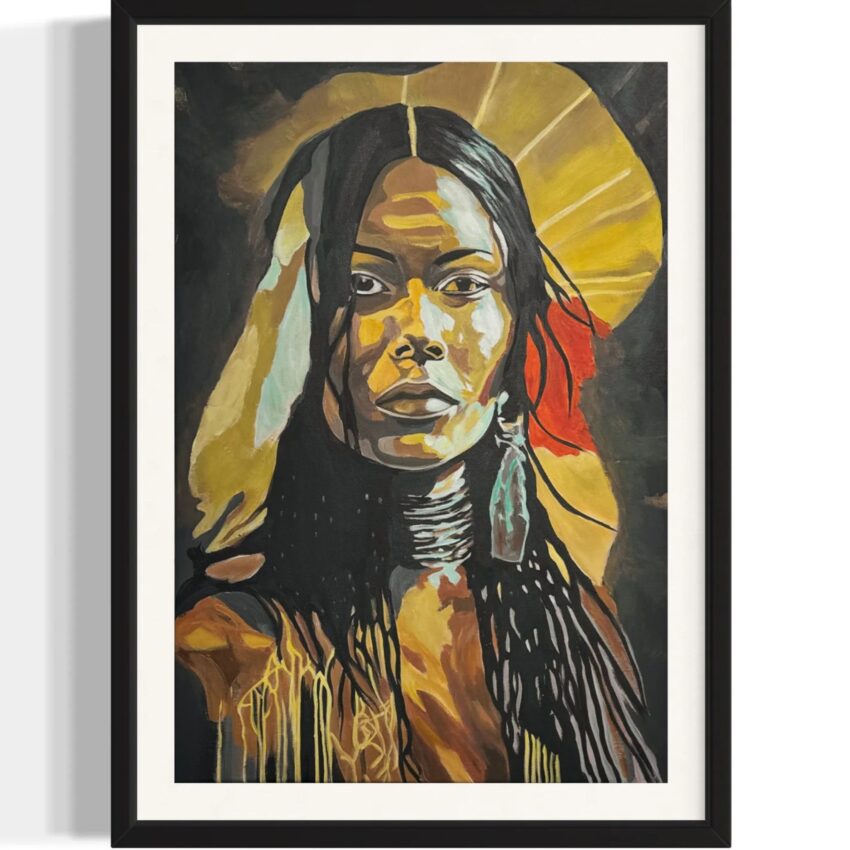
An empty wall may seem incomplete, but by selecting the correct frame, composition and picture, one could create colour, structure and personality without spending on costly artworks and renovations.
In the case of those looking for Photo frames Sydney, their primary problem would be choosing the right starting point. They could consider the options of a gallery wall, large prints, and a blend of photographs and art pieces. The size, material, colour, and mounting technique would also help define whether the picture would be contemporary, traditional or minimalistic.
Here are 10 useful ideas that could give the walls an entirely new look.
1. Create a Balanced Gallery Wall
Walls of the gallery suit living rooms, hallways and stairways, giving the effect of one large piece of art out of multiple smaller works.
- Photographs, illustrations and prints can be used together.
- Maintain even spacing.
- Start by laying the frames on the ground.
The result must look like a collection and not a factory job.
2. Make One Large Artwork the Focal Point
When there is already much furniture and decorative elements in the room, one large framed work of art will add enough interest without overcrowding the place.
- Select art pieces appropriate for the size of the room.
- Give space to breathe around the frame.
- Coordinate the finish of the frame with existing furniture or architectural elements.
- Don’t hang too big artwork on a too small wall.
Large frames work well in decorating the room, especially when placed above the sofa, console, or bed.
3. Give Posters a More Refined Finish
A poster can definitely look professional with proper framing and mounting, depending on whether it has concert art or travel prints.
- Select a good frame to match the poster.
- Mount the poster so it can breathe.
- Apply low-reflectivity glass where necessary.
- Check the size of the poster before purchasing.
An A1 Picture Frame will definitely transform a poster from being a plain poster on the wall to a focal point.
4. Mix Frame Sizes Intentionally
Consistent frames produce a neat look; different sizes will add variety to the collection.
Mix up portrait and landscape frames.
- Make the bigger frames focal points.
- Place smaller frames around the dominant ones.
- Maintain one variable through the entire installation,
- for instance, framing colour or mounting method.
Variation should be systematic rather than arbitrary.
5. Use Matting to Add Breathing Room
The mount can greatly alter the perception of the artwork by placing a gap between the artwork and the frame.
- Mounts should be larger for valuable artworks.
- Neutral colours should be used for artwork that includes vibrant colours.
- Consider using double mounts for added effect.
- Make sure to use a correct-sized mount opening for the artwork.
This method will help make ordinary prints look more significant while preserving the focal point of the artwork.
6. Match Frames to the Room’s Character
Just because a frame looks beautiful does not mean that it is always the best choice; the best frame is always the one that complements its environment.
- Timber for a sense of warmth and a natural interior look.
- Slim profiles for a modern environment.
- Darker finishes for contrast.
Always remember to consider the whole room environment when choosing a frame, not the frame itself.
7. Try a Symmetrical Arrangement
This will help achieve orderliness in a room, particularly over a dining table, bed, sideboard, or a long console.
- Match the size of the frames.
- Maintain uniform spacing.
- Ensure that the top or bottom edges align.
- Select pieces of art with similar colour schemes.
An example is a symmetrical arrangement of two equally sized pieces of black and white photos over a bedroom console without clashing with the decor.
8. Frame Sentimental Pieces
Not all objects need to be professionally made to be framed. Drawings by children, handwritten recipes, photos from your family collection or from your travels can serve as decoratives.
- Choose those objects which will have special meaning for you.
- Use high-quality materials for preservation of valuable items.
- Do not overcrowd sentimental collections.
- Allow valuable objects sufficient wall space.
Personal objects will have more character than ordinary decorative items.
9. Think About the Viewing Distance
The frame that seems ideal at close range might not fit the distance from the other side of the room. The issue of scale must always be taken into account regarding the place where the artwork will be displayed.
- Larger works of art should be used in large rooms.
- Visual details that are more vivid should be chosen for the distance view.
- Height should be taken into account while hanging individual pieces.
- Different parts of the room must be tested for their arrangement.
This becomes especially crucial when selecting A1 Poster Frames, as the bigger piece of art can easily dominate a small wall.
10. Plan Before You Buy
One of the more common framing errors made is that of buying frames without measuring the artwork.
- Measure your artwork precisely.
- Be mindful of the mount and frame.
- Take a photograph of the wall and use paper mockups for layout.
- Think about the lighting and any furniture on the wall.
When you need to frame large sizes or more than one artwork, consulting an expert at a professional frame shop Sydney will also help you find good mounting options before any expenses.
Conclusion
Good framing will help you transform your forgotten wall into the most appealing feature of the room. Regardless of whether you opt for a neatly arranged gallery wall or a large piece of artwork or photos that have significant meaning for you, the most successful outcomes are always those when you take into account such factors as the scale of framing, the spaces between frames, the materials, and the overall character of the place.
If you are looking for standard picture frame, then the purpose of your quest shouldn’t be limited to filling up the blank walls of your house.