
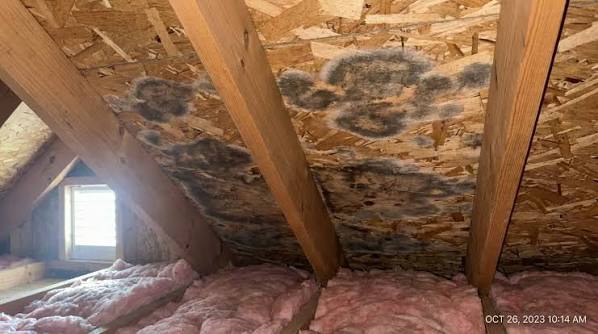
Mold contamination can become a serious property concern when excess moisture remains unnoticed or untreated for an extended period. Whether caused by plumbing leaks, flooding, roof damage, condensation, poor ventilation, or basement moisture, mold can spread beyond the area where it first appears. Because hidden growth may develop behind walls, under flooring, inside ceilings, or around HVAC components, identifying the source early can help property owners take appropriate action before the situation becomes more extensive.
For Greenwich property owners facing persistent moisture problems, Professional Mold Contamination in Greenwich, CT services can provide a structured approach to identifying affected areas and understanding the scope of a potential mold problem. Professional evaluation can help determine whether contamination is localized or may have spread into concealed building materials. By combining visual inspection, moisture assessment, and appropriate testing when necessary, professionals can provide useful information for developing an effective response.
What Is Mold Contamination?
Mold contamination occurs when mold grows and spreads within a building environment because conditions support its development. Mold requires moisture, an organic food source, and suitable environmental conditions to grow. Common materials such as drywall, wood, insulation, carpet, paper products, and other porous surfaces can potentially support microbial growth when they become damp.
Not every mold concern looks the same. Some contamination may appear as visible spots or patches, while other growth can remain completely hidden. A musty smell may be one of the first indications that something is wrong, particularly when the odor continues even after cleaning or ventilation.
Understanding the difference between an isolated surface issue and a broader contamination problem is important. A professional assessment can help determine what areas require attention and whether additional investigation is necessary.
Why Mold Can Become a Concern in Greenwich, CT
Properties in Greenwich can encounter a variety of moisture-related challenges throughout the year. Heavy rainfall, storms, humidity, plumbing failures, roof leaks, foundation moisture, and condensation can all contribute to damp conditions.
Basements and lower levels can be particularly vulnerable when water enters through foundations or drainage systems. Bathrooms and kitchens may experience elevated humidity, while poorly ventilated areas can retain moisture for long periods. Even a small plumbing leak inside a wall can create a hidden environment where mold growth develops.
For these reasons, property owners should pay attention to recurring moisture rather than focusing only on visible mold. Correcting the source of moisture is an essential part of managing potential contamination.
Common Signs of Mold Contamination
Visible mold is one of the clearest warning signs, but it is not the only one. Mold can sometimes be identified through persistent musty odors, discoloration, damp materials, or areas that repeatedly experience condensation.
Property owners may also notice peeling paint, bubbling wallpaper, warped flooring, or deteriorating drywall after water damage. These signs do not automatically prove mold contamination, but they indicate that moisture may be affecting the property and that further evaluation could be beneficial.
A history of flooding or significant water intrusion is another reason to investigate. Even when surfaces appear dry, moisture may remain inside porous materials or concealed spaces.
Hidden Mold Growth Behind Walls
One of the biggest challenges associated with mold contamination is hidden growth. Mold may develop behind drywall, beneath carpeting, underneath flooring, inside cabinets, around pipes, or within ceiling cavities.
If a property has experienced a leak that was not addressed quickly, moisture may have migrated into surrounding materials. In some cases, the visible portion of the problem represents only a small part of the affected area.
Professionals can investigate areas based on moisture readings, visible evidence, odors, building history, and other indicators. This targeted approach can help property owners understand whether concealed spaces may require additional attention.
Mold Contamination After Water Damage
Water damage can create ideal conditions for mold growth if affected materials are not dried and managed properly. A burst pipe, appliance leak, roof failure, storm intrusion, or flooded basement can introduce substantial moisture into a property.
The longer water remains in building materials, the greater the potential for secondary problems. Porous materials can absorb moisture, making complete drying more difficult. Water can also travel through wall cavities and flooring systems, affecting areas that were not initially visible.
After significant water damage, property owners should focus on quickly identifying the source, removing standing water when safe, drying affected areas, and evaluating materials that may have remained damp.
Professional Mold Inspection and Assessment
A professional mold assessment generally begins with an evaluation of the property and its history. The professional may ask about previous leaks, flooding, renovations, odors, visible growth, and recurring moisture.
The inspection can include visual examination of accessible areas and moisture assessment where appropriate. Depending on the circumstances, testing may also be recommended.
The purpose of an assessment is not simply to locate visible mold. It is to understand the conditions contributing to the problem and identify areas that may require further investigation or corrective action.
When Is Mold Testing Recommended?
Mold testing is not automatically required for every suspected mold issue. In some situations, visible growth combined with an obvious moisture source may provide enough information to recommend appropriate remediation.
Testing may be useful when contamination is suspected but cannot be clearly identified, when indoor environmental conditions need additional evaluation, or when property owners require more information before deciding on the next step.
Professional testing methods can include air or surface sampling, depending on the purpose of the investigation. Results should be interpreted alongside the property’s physical conditions rather than viewed as an isolated number.
The Importance of Finding the Moisture Source
One of the most important principles in mold management is addressing the source of moisture. Cleaning visible mold without correcting an ongoing leak or humidity problem can allow the issue to return.
Property owners should investigate possible sources such as leaking pipes, roof damage, foundation water intrusion, inadequate bathroom ventilation, HVAC condensation, and poor drainage.
In some cases, improving airflow and controlling indoor humidity can make a significant difference. Other situations may require plumbing repairs, roofing work, waterproofing, or replacement of damaged building materials.
Residential Mold Contamination Services
Homeowners may encounter mold concerns in basements, bathrooms, kitchens, attics, crawl spaces, bedrooms, and other areas. A professional assessment can help determine whether the concern is limited to one location or may involve additional parts of the property.
Residential contamination can be especially frustrating when the source is difficult to identify. A recurring odor, unexplained dampness, or previous water event may suggest that additional investigation is appropriate.
Professional services can help homeowners better understand the condition of their property and determine what steps may be appropriate based on the findings.
Commercial Mold Contamination Concerns
Commercial buildings can present additional challenges because they may contain larger areas, multiple occupants, interconnected HVAC systems, and several possible moisture sources.
Offices, retail buildings, rental properties, and other commercial spaces may experience contamination following water damage or long-term moisture problems. Because businesses need to maintain functional environments, identifying potential problems promptly can be an important part of property management.
A professional evaluation can help commercial property owners understand affected areas and organize appropriate corrective measures.
Why DIY Mold Removal May Not Always Be Enough
Small surface-level mold problems may sometimes be manageable with appropriate cleaning, depending on the material and circumstances. However, extensive contamination, hidden growth, recurring moisture, or water-damaged materials can require professional attention.
DIY cleaning can also disturb mold growth and potentially spread particles to nearby areas if appropriate precautions are not taken. Porous materials can present additional challenges because contamination may penetrate beneath the surface.
When the scope of contamination is uncertain, professional assessment can help property owners avoid treating only the visible portion of a potentially larger issue.
Benefits of Professional Mold Contamination Assessment
Professional assessment can provide several benefits. First, it can help identify areas where moisture or potential mold growth may exist. Second, it can provide a more organized understanding of the property’s condition. Third, it can help determine whether additional testing or remediation should be considered.
Professional documentation can also be useful for property maintenance records, particularly following significant water damage or building repairs.
Most importantly, a professional approach focuses on understanding the underlying conditions rather than simply treating visible symptoms.
Choosing a Mold Professional in Greenwich
When selecting a mold professional, property owners should look for experience, clear communication, appropriate inspection practices, and transparent reporting. Ask what the evaluation includes and how findings will be documented.
It is also helpful to choose a provider that takes a moisture-focused approach. Mold contamination is often connected to an underlying water or humidity problem, so identifying that source is essential.
Property owners should be cautious of providers who make exaggerated claims based solely on the presence of mold. A trustworthy professional should explain findings clearly and recommend appropriate next steps based on the property’s actual conditions.
Preventing Future Mold Problems
Prevention begins with moisture control. Leaks should be repaired promptly, and areas affected by water should be dried thoroughly. Bathrooms and kitchens should have adequate ventilation, while basements and crawl spaces should be monitored for excess moisture.
Regularly inspecting roofs, gutters, plumbing fixtures, windows, foundations, and HVAC systems can also help identify potential moisture problems before they become more serious.
Maintaining reasonable indoor humidity and improving airflow in damp areas can further reduce conditions that support mold growth.
Frequently Asked Questions
What causes mold contamination in homes?
Common causes include water leaks, flooding, roof problems, condensation, high humidity, poor ventilation, and moisture entering through foundations or other building components.
Can mold contamination remain hidden?
Yes. Mold can grow behind walls, beneath flooring, inside ceilings, around plumbing, and in other concealed spaces when moisture is present.
Does a musty smell always mean mold is present?
A musty odor can be an indication of microbial growth or moisture, but it does not by itself confirm mold. Professional evaluation may help identify the source.
Should I test for mold after water damage?
Testing is not necessary in every situation. The need for testing depends on the extent of the water damage, visible conditions, moisture history, and the information needed to make an informed decision.
How can I prevent mold from returning?
The most important step is controlling the source of moisture. Repair leaks, dry wet materials promptly, improve ventilation, and address recurring humidity or water intrusion.
Is professional mold assessment worth it?
When contamination is extensive, hidden, recurring, or associated with significant water damage, professional assessment can provide useful information about the property’s condition and potential next steps.
Conclusion
Mold contamination can develop quietly and become more difficult to manage when moisture problems remain unresolved. For property owners in Greenwich, recognizing warning signs such as musty odors, visible growth, water damage, recurring dampness, and unexplained staining can encourage timely investigation.
Professional assessment can help determine the extent of a potential problem, identify contributing moisture conditions, and provide information for deciding whether testing, cleaning, repairs, or remediation may be appropriate. Most importantly, successful mold management should address both the contamination and the moisture source that allowed it to develop.
Written By: Rank Business Listings