
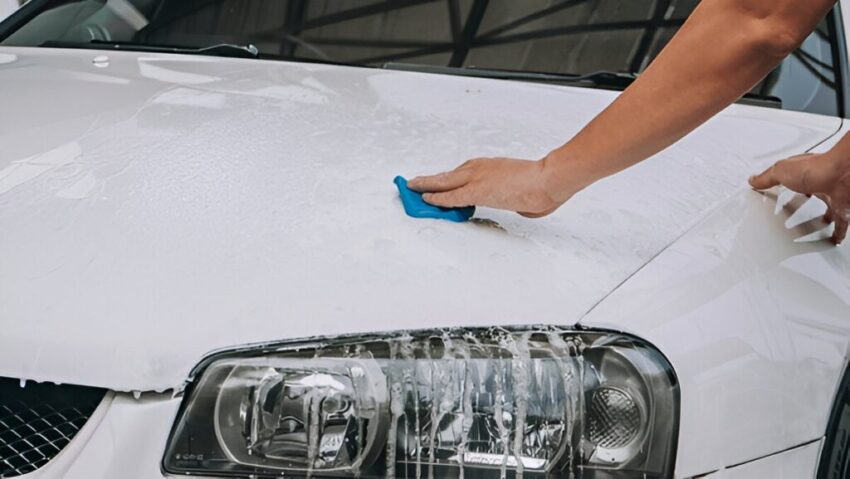
A ceramic coating protects your paint, but it still needs careful washing. The right car detailing and shampoo routine removes dirt without weakening hydrophobic behavior, gloss, or coating performance over time.
The Short Answer: Yes, But Choose Carefully
You can use shampoo on a ceramic-coated car, but not every formula is suitable. Choose a pH-neutral maintenance shampoo made for coated surfaces and avoid harsh cleaners unless needed.
A good shampoo lifts road film, dust, and light grime without leaving heavy residue. This helps your coating keep its smooth feel, water behavior, and clean finish between professional detailing visits.
Your ceramic coating does not make the paint maintenance-free. It creates a protective layer that still needs safe washing, proper drying, and regular care to perform as intended.
Why Shampoo Choice Matters More Than You Think
Your shampoo comes into direct contact with the coating during every wash. A mild formula helps clean the surface while reducing the risk of stripping protection or leaving unwanted deposits.
pH-neutral maintenance shampoos are usually the safest choice for routine care. They clean everyday dirt while staying gentle enough for regular use on ceramic-coated paint and other protected surfaces.
Strong cleaners have a different purpose. Alkaline or acidic products can help remove heavy contamination, mineral deposits, or stubborn traffic film, but you should use them only when the condition requires them.
That does not mean stronger products automatically damage ceramic coatings. The real issue is incorrect use. Concentration, dwell time, washing method, surface condition, and product design all affect the result.
What Your Ceramic Coating Actually Needs
A ceramic coating works best when its surface stays clean. Dirt and road film can hide its water behavior, making the coating appear less hydrophobic even when the protection remains intact underneath.
If water stops forming tight beads, do not assume the coating has failed. Contamination may be blocking the surface. A proper wash can often restore the coating’s natural water-shedding behavior.
You should also avoid using household detergents, dish soap, or random cleaning products. They are not designed around automotive paint systems and may leave residue or affect your maintenance routine.
The Right Way to Wash a Coated Car
Start by rinsing the vehicle well. This removes loose grit before your wash mitt touches the paint. Less loose grit on the surface means a lower chance of creating wash marks.
Next, use a clean wash mitt with your pH-neutral shampoo solution. Work from the top of the vehicle downward because lower panels usually carry more dirt, road salt, and grime.
Rinse the mitt often. Do not keep rubbing a dirty mitt across the paint. This simple habit can make a major difference to paint clarity, especially on dark luxury and performance vehicles.
After washing, rinse the vehicle thoroughly. Do not allow shampoo to dry on the surface. Product residue can create spots and reduce the clean, slick appearance you expect from a coated vehicle.
Dry with a clean, soft microfiber towel or suitable air dryer. Avoid rough towels and aggressive wiping. Your goal is to remove water while creating as little friction as possible.
When Stronger Cleaning Makes Sense
Some vehicles need more than a routine maintenance wash. If you drive through heavy traffic, construction areas, coastal roads, or winter conditions, bonded dirt and mineral deposits can build up on the coating.
In these cases, your detailer may choose a stronger cleaner or a dedicated decontamination process. The product should match the problem, rather than being used simply because it seems more powerful.
This is where professional car detailing and shampoo knowledge becomes useful. A trained detailer can identify whether the surface needs a normal wash, chemical decontamination, clay treatment, or another safe correction step.
How Professional Maintenance Protects Performance
A professional car shampoo service follows a controlled process instead of treating every vehicle the same. Your coating type, paint condition, contamination level, and driving habits can guide the cleaning method.
For busy Bay Area professionals, scheduled maintenance can also prevent small problems from becoming expensive correction work. Regular washing keeps contaminants from sitting on protected paint for long periods.
If your vehicle needs deeper care, a professional car wash with shampoo can be part of a wider maintenance plan. Interior cleaning, paint correction, and coating inspections can then address other areas.
Mistakes That Can Reduce Coating Performance
Do not scrub a coated vehicle aggressively because it looks dirty. Heavy pressure does not equal better cleaning. Let the shampoo, water, and correct washing technique do most of the work.
Do not wash under direct heat when the surface is hot. Water and cleaning products can dry quickly, increasing the chance of mineral spots and uneven residue across the paint.
Do not use one towel for every surface. Keep separate, clean microfiber towels for paint, wheels, glass, and lower areas. Cross-contamination can transfer grit back onto sensitive painted panels.
Do not ignore your wheels. Brake dust can be highly stubborn, so use suitable wheel products and tools rather than allowing contamination to spread onto freshly cleaned paint.
The Detailer’s Rule for Ceramic-Coated Cars
Think of your coating as protection that still needs care. Use a coating-safe, pH-neutral shampoo for routine washes, apply gentle technique, rinse well, and dry without unnecessary friction.
When contamination becomes difficult to remove, stop increasing pressure. That is the point to assess the surface and choose the right cleaning or decontamination method.
With the right routine, your ceramic coating can continue supporting gloss, easier cleaning, and strong water behavior. Smart washing protects the investment you already made in your vehicle.