
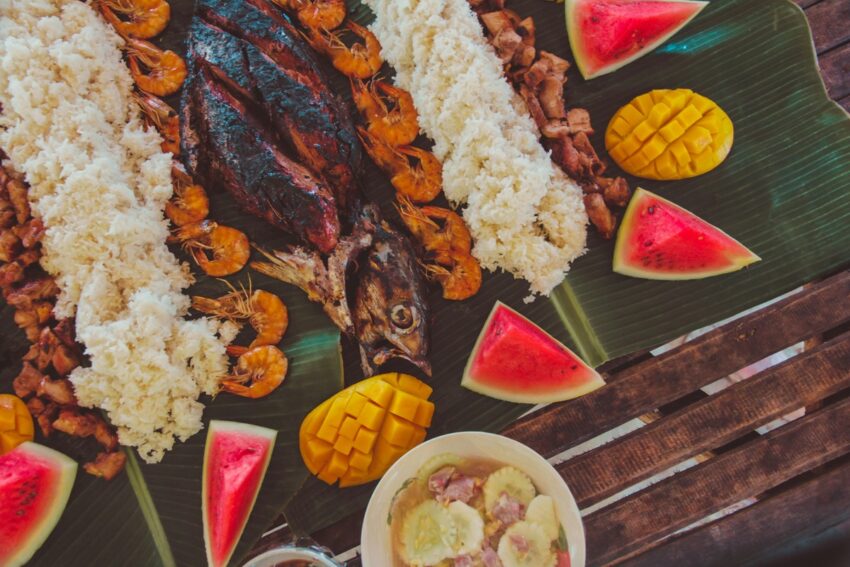
Vitamin C is a nutrient found in many fruits and vegetables commonly served at breakfast in the Philippines. Foods such as papaya, tomatoes, guava, and citrus fruits can contribute to daily vitamin C intake. This nutrient supports several normal body functions, including collagen production and immune function. Common Filipino breakfast meals may contain vitamin C through fresh fruits, vegetables, and drinks. Food preparation methods also affect how much vitamin C remains in a serving.
What Foods Provide Vitamin C at Breakfast?
Many familiar Filipino breakfast foods contain vitamin C, particularly fresh fruits and vegetables. Guava, papaya, tomatoes, and calamansi are among the foods that can contribute significant amounts. Their vitamin C content varies based on the food, serving size, ripeness, storage, and preparation method.
Guava and Papaya
Guava is one of the fruits with a particularly high vitamin C content. A serving can provide more vitamin C than many other commonly eaten fruits. Papaya also contains vitamin C and is often served fresh during breakfast. Both fruits can appear alongside rice meals, eggs, or other traditional breakfast dishes.
Tomatoes and Vegetables
Tomatoes provide vitamin C and are commonly served with eggs, salted fish, or other breakfast foods. Fresh tomatoes generally retain more vitamin C than heavily cooked versions. Other vegetables, such as bell peppers, may also contribute vitamin C when included in breakfast dishes, although their availability varies between households.
Calamansi and Other Citrus Fruits
Calamansi is widely used in Filipino food and drinks because of its tart flavor. Its juice contains vitamin C, although the amount consumed depends on the quantity used. Other citrus fruits, including oranges and pomelos, can also provide vitamin C when served fresh as part of a breakfast meal.
Why Does Vitamin C Matter in Breakfast Foods?
Vitamin C is a water-soluble nutrient that supports several biological functions. It contributes to collagen formation, supports normal immune function, and improves the absorption of non-heme iron from plant foods. Since the body does not store large amounts of vitamin C, regular dietary sources can contribute to maintaining adequate intake.
Vitamin C and Iron Absorption
Vitamin C can increase the absorption of non-heme iron, which is the type found mainly in plant foods and fortified products. This connection can be relevant to breakfast meals containing vegetables, beans, or fortified grains. Adding a vitamin C-containing food to the same meal can increase the amount of non-heme iron absorbed.
Effects of Food Preparation
Heat, water, and prolonged storage can reduce the vitamin C content of foods. Boiling vegetables can cause some vitamin C to move into the cooking water. Fresh fruits and raw vegetables generally retain more vitamin C because they receive little or no heat treatment before consumption.
How Can Filipino Breakfasts Contain Vitamin C?
Vitamin C can appear naturally in breakfast through fruits, vegetables, and fruit-based drinks. Traditional meals do not need to contain a specific food to provide the nutrient. The total amount depends on the ingredients, portion sizes, and preparation methods used in the meal.
Fresh Fruits With Traditional Meals
Fresh fruit can accompany rice, eggs, fish, meat, or other common Filipino breakfast foods. Guava, papaya, oranges, and pomelo provide different amounts of vitamin C per serving. Fruit can also contribute fiber and other nutrients, creating a broader nutritional profile alongside the main components of breakfast.
Vegetable-Based Breakfast Dishes
Tomatoes and other vegetables can provide vitamin C when included in dishes such as scrambled eggs, omelets, or sautéed meals. The nutrient content depends on the vegetables used and their preparation. Shorter cooking times may preserve more vitamin C than prolonged cooking, although preparation varies across recipes.
Calamansi Drinks and Condiments
Calamansi juice is another familiar source of vitamin C in Filipino meals. The amount depends on the number of calamansi fruits used, dilution, and added ingredients. Freshly prepared juice may contain vitamin C, while sweetened versions can also contain considerable added sugar depending on the recipe or commercial formulation.
Key Takeaway
Vitamin C can be found in several familiar Filipino breakfast foods, particularly fruits and vegetables. Guava, papaya, tomatoes, and calamansi are common examples with varying amounts of the nutrient. Fresh foods generally retain more vitamin C than foods exposed to prolonged heat or storage. Vitamin C also supports collagen formation, normal immune function, and non-heme iron absorption. Including different fruit and vegetable sources across breakfast meals can contribute to overall dietary vitamin C intake without relying on a single food source.