
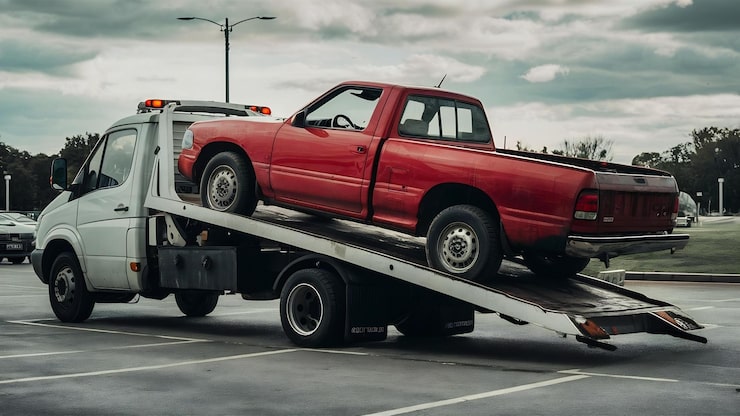
A vehicle doesn’t have to start, steer, or drive under its own power to reach another state. Whether it has suffered mechanical failure, been damaged in an accident, been sitting unused for years, or simply needs to be relocated before repairs, professional vehicle shipping can provide a practical solution.
When you need to transport non running car from one location to another, the process is different from shipping an operational vehicle. The carrier needs to know that the automobile cannot move independently so the appropriate loading equipment and handling arrangements can be prepared in advance.
For vehicle owners across the USA, understanding these requirements can make an inoperable car shipment much easier to organize.
First, What Counts as a Non-Running Vehicle?
An inoperable vehicle is generally one that cannot be driven onto or off the transport trailer under its own power.
That could mean the car:
- Has a dead or missing engine
- Won’t start
- Has a damaged transmission
- Has a flat or missing tire
- Has steering problems
- Has brake issues
- Has been involved in an accident
- Has been stored for an extended period
- Has electrical or mechanical problems
There is an important distinction between a vehicle that doesn’t currently start and one that cannot roll, steer, or brake.
A car with a dead battery may simply need external assistance to load. A severely damaged vehicle could require substantially more specialized equipment.
Providing an accurate description to Rapid Auto Shipping helps the transportation provider determine what will be needed before the carrier arrives.
Why Loading Becomes the Main Challenge
A running vehicle can usually be driven onto the trailer. An inoperable vehicle can’t.
That changes the entire loading process.
The driver may need to position the vehicle using a winch, loading ramps, a forklift, or other appropriate equipment. The exact method depends on the vehicle’s condition, weight, ground clearance, and whether its wheels can rotate.
If the wheels are locked or the steering system doesn’t work, loading can become more complicated.
That’s why simply saying “the car doesn’t start” isn’t always enough. The carrier needs a clearer picture of what the vehicle can and cannot do.
Equipment That Can Help
Several types of equipment may be involved when transporting an inoperable vehicle.
- Winches
A winch can pull a vehicle onto a trailer when the engine isn’t functioning. This can be particularly useful when the vehicle can roll but cannot move under its own power.
- Ramps
Ramps provide a controlled path between ground level and the trailer deck. Their suitability depends on the vehicle’s clearance and condition.
- Dollies
Wheel dollies can help move vehicles when individual wheels cannot roll normally. They may also assist with positioning a vehicle for loading.
- Forklifts
In certain situations, a forklift or similar equipment may be necessary to reposition or load a severely disabled vehicle. Availability depends on the carrier and shipment circumstances.
The required equipment should be discussed before booking rather than discovered at pickup.
Give Your Carrier the Full Picture
One of the easiest ways to prevent transportation complications is to be specific.
Instead of telling the shipping provider only that your vehicle is “not running,” explain:
- Does it roll?
If yes, say whether all four wheels roll normally. - Does it steer?
A vehicle that cannot be steered may require additional handling. - Does it brake?
Nonfunctional brakes can affect loading and positioning. - Is the battery working?
A dead battery may require external power or another loading arrangement. - Are the tires inflated?
Flat or missing tires can change the equipment requirements. - Is there accident damage?
Describe visible damage that could interfere with loading.
These details allow the carrier to prepare for the actual condition of the automobile.
Open or Enclosed Transport?
An inoperable vehicle can potentially be shipped using different carrier types, depending on availability and the vehicle’s requirements.
Open transport is commonly used for many standard vehicle shipments and may accommodate non-running automobiles when the carrier has suitable equipment.
Enclosed transport places the vehicle inside a covered trailer and can be considered when additional protection is important. This may be particularly relevant for valuable, restored, collectible, or specialty vehicles.
The vehicle’s condition should be considered alongside the desired level of protection.
Don’t Leave Preparation Until Pickup Day
An inoperable vehicle usually needs more preparation than a car that can simply be driven onto a trailer.
Remove personal possessions from the interior and trunk. Secure loose exterior components where appropriate and notify the carrier about modifications or damaged parts.
If possible, make sure the area around the vehicle is accessible. A carrier needs enough room to position equipment and safely approach the automobile.
For a vehicle sitting in a garage, narrow driveway, storage facility, or restricted-access location, discuss the situation ahead of time.
Taking photographs is also useful. Document the vehicle’s exterior condition before transportation, particularly if it has existing damage.
Location Can Change the Logistics
Moving a non-running car from one location to another isn’t always as simple as providing two addresses.
For example, retrieving an inoperable vehicle from a residential garage can require different planning from picking up a car at a repair shop or salvage facility.
Consider whether:
- The pickup area has adequate space
- The vehicle is accessible to a large carrier
- The facility has operating-hour restrictions
- A tow truck is needed to move the vehicle
- The destination has similar access limitations
Sharing these details with Rapid Auto Shipping early can help avoid last-minute surprises.
What About a Damaged Vehicle?
Accident-damaged vehicles require particular attention.
A car may have a damaged suspension, missing wheels, broken steering components, or body damage that affects how it can be loaded.
Never assume a standard loading method will work simply because the vehicle is physically present at the pickup location.
Explain the damage and provide photographs when possible. The transportation provider can then determine whether specialized equipment or additional arrangements are necessary.
How Pricing Can Be Different
Transporting an inoperable car can cost more than shipping a running vehicle because additional labor, equipment, and handling may be required.
The final price can depend on:
- Distance
- Vehicle size and weight
- Extent of mechanical damage
- Wheel and tire condition
- Steering and braking capability
- Pickup accessibility
- Delivery accessibility
- Open or enclosed equipment
- Current carrier availability
For that reason, accurate information is particularly important when requesting a quote.
Questions to Ask Before Booking
Before arranging transportation, ask your provider:
- Can you transport an inoperable vehicle?
- What loading equipment will be required?
- Does the vehicle need to roll and steer?
- Are additional fees associated with special loading?
- Can the carrier access the pickup location?
- How should the vehicle be prepared?
- What happens if the vehicle’s condition changes before pickup?
Getting these answers beforehand can make the shipment considerably more predictable.
A Vehicle Being Stuck Doesn’t Mean It’s Stuck Forever
Mechanical failure, accident damage, or years of storage can make a vehicle impossible to drive—but that doesn’t necessarily prevent it from traveling.
When you transport non running car, the key is preparation. Accurate information about the vehicle’s wheels, steering, brakes, battery, damage, and accessibility gives the carrier a better opportunity to arrange appropriate equipment.
Rapid Auto Shipping can help customers coordinate vehicle transportation throughout the USA by considering the vehicle’s actual condition and route. With the right planning and equipment, even a car that can’t move under its own power can be prepared for a long-distance journey.
Frequently Asked Questions
- Can I transport a car that doesn’t start?
Yes, many auto transport services can accommodate vehicles that don’t run. However, the carrier must know the vehicle’s condition so appropriate loading equipment can be arranged.
- Does a non-running car cost more to ship?
It can. Additional equipment and labor may be necessary, which can increase transportation costs compared with a fully operational vehicle.
- Can a car with flat tires be transported?
Potentially. However, flat tires should be disclosed because they may affect loading and require additional equipment.
- Can an accident-damaged car be shipped?
Yes, depending on its condition. Severe damage involving the wheels, steering, suspension, or body may require specialized handling.
- Should I remove personal belongings?
Yes. Remove personal possessions and valuables before the vehicle is handed over unless your transportation provider gives you different written instructions.