
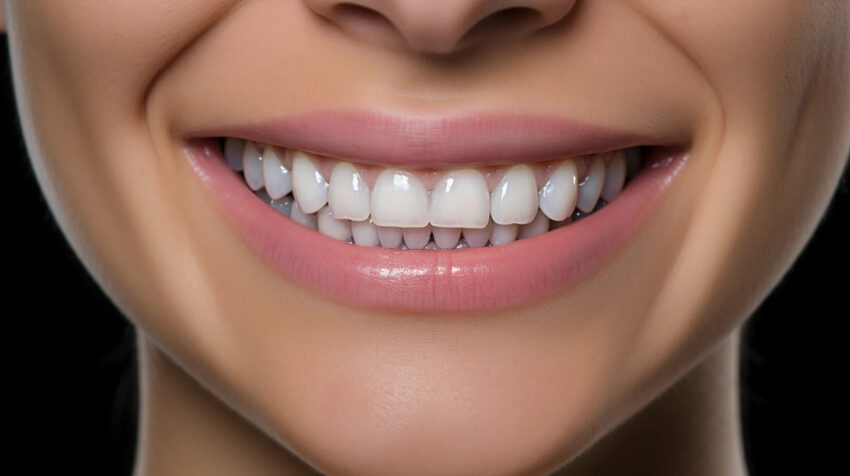
Want a straighter smile but unsure whether to choose traditional braces or clear aligners? You are not alone. With several orthodontic options available today, it can be difficult to know which treatment is suitable for your teeth, lifestyle and expectations.
Both braces and clear aligners can help improve tooth alignment in suitable cases, but they work differently and have different advantages and responsibilities.
If you are looking for a teeth straightening specialist in Vivekanand Nagar, understanding the differences between these treatments can help you have a more useful conversation with your dentist before starting treatment.
Why Do People Consider Teeth Straightening Treatment?
Teeth straightening is not only about having a more even-looking smile. Proper alignment can also make certain areas easier to clean and may help address specific bite or spacing concerns.
People may consider orthodontic treatment for:
-
Crowded or overlapping teeth
-
Gaps between teeth
-
Crooked or rotated teeth
-
Certain bite problems
-
Teeth that are difficult to clean because of their position
-
Concerns about the appearance of their smile
The appropriate treatment depends on the individual. Two people with similar-looking crooked teeth may require different approaches after a proper dental and orthodontic assessment.
What Are Traditional Braces?
Traditional braces use brackets attached to the teeth and wires that apply controlled forces to gradually move the teeth.
They have been used for many years and can be suitable for a wide range of orthodontic concerns.
Benefits of Braces
-
They remain attached to the teeth throughout treatment
-
They do not depend on the patient remembering to wear them
-
They can be used for many types of alignment and bite concerns
-
Your dental professional can make adjustments during regular appointments
However, braces require careful cleaning around brackets and wires. Certain hard or sticky foods may also need to be avoided to reduce the risk of damaging the appliance.
What Are Clear Aligners?
Clear aligners are removable, transparent trays designed to gradually move teeth into planned positions.
Patients generally wear a series of aligners, with each set designed to make a gradual change. Because they are removable, they can provide more flexibility when eating and brushing.
However, this flexibility also means that patient cooperation is important. Aligners need to be worn according to the dentist’s instructions for treatment to progress as planned.
Benefits of Clear Aligners
-
They are less noticeable than traditional metal braces
-
They can be removed for eating and brushing
-
There are no traditional brackets and wires
-
They may fit conveniently into some patients’ lifestyles
Clear aligners are not automatically suitable for every orthodontic case. Your dentist needs to assess your teeth and bite before recommending them.
Braces vs Clear Aligners: What Should You Consider?
There is no single answer to whether braces or aligners are better. The right option depends on several factors.
1. Your Dental Condition
This should be the starting point.
The severity and type of tooth movement required can influence which treatment is appropriate. Certain cases may be managed with aligners, while others may benefit from fixed braces or another orthodontic approach.
Your dentist can evaluate your bite, tooth positions and overall oral health before recommending treatment.
2. Appearance During Treatment
If you are concerned about how your orthodontic appliance looks, clear aligners may be appealing because they are designed to be less noticeable.
Traditional braces are more visible, although tooth-coloured or ceramic options may provide a less noticeable alternative in selected cases.
3. Your Daily Routine
Think about your lifestyle before making a decision.
With braces, the appliance remains fixed to your teeth. With clear aligners, you can generally remove them when eating and brushing, but you need to remember to put them back in as instructed.
If you frequently forget routines, removable treatment may require additional discipline.
4. Oral Hygiene
Both treatments require good oral hygiene.
Braces can create additional areas around brackets and wires where food particles may collect. Clear aligners can be removed for brushing and flossing, but the aligners themselves also need to be maintained properly.
Whichever option you choose, regular brushing, cleaning between teeth and dental check-ups remain important.
5. Food Choices
Traditional braces may require you to be more careful with hard, sticky or chewy foods because these can damage brackets or wires.
Clear aligners are removable, so patients can generally take them out while eating. However, they should be cleaned and worn again according to the treatment instructions.
Does One Treatment Work Faster?
Treatment duration is not the same for every patient.
It depends on factors such as:
-
The complexity of the alignment problem
-
The amount of tooth movement required
-
The type of orthodontic treatment
-
How consistently the treatment instructions are followed
-
Individual response to treatment
-
Regular follow-up appointments
It is better to discuss an estimated treatment timeline with your dentist after an examination rather than choosing an option simply because you have heard that it is faster.
Is Teeth Straightening Painful?
Both braces and clear aligners can cause some temporary pressure or discomfort as the teeth begin to move.
With braces, patients may notice tenderness after placement or adjustments. With clear aligners, some pressure or tightness can occur when moving to a new set.
Discomfort varies between individuals and is generally discussed as part of the treatment planning process.
If you experience significant or persistent pain, contact your dental professional for advice.
How to Choose the Right Teeth Straightening Treatment
If you are searching for a teeth straightening dentist, try not to make your decision based only on the appearance or popularity of an appliance.
During your consultation, ask:
-
What is causing my alignment problem?
-
Which treatment options are suitable for my teeth?
-
Why is one option being recommended?
-
How long might treatment take?
-
How frequently will I need appointments?
-
What will I need to do at home?
-
Will I need retainers after treatment?
A trusted dentist in Nagpur should explain the available options clearly and help you understand the advantages, limitations and responsibilities associated with each treatment.
If you prefer a nearby dental clinic in Nagpur, choosing a conveniently located clinic can also make regular orthodontic appointments easier to manage.
What Happens After Teeth Straightening?
Orthodontic treatment usually does not end when the braces are removed or the final aligner is completed.
Retainers are commonly recommended to help maintain the position of the teeth after active treatment. Your dentist will explain the appropriate type and wearing schedule based on your case.
Following the retainer instructions is an important part of maintaining the alignment achieved through treatment.
Final Thoughts
Choosing between braces and clear aligners is a personal decision, but it should also be based on your dental needs rather than appearance alone.
Braces can be suitable for many orthodontic concerns, while clear aligners can offer a more discreet and removable approach for selected cases. Neither option is automatically right for everyone.
If you are considering treatment and looking for a teeth straightening specialist in Vivekanand Nagar, start with a proper consultation. A dental professional can assess your teeth, explain the available options and help you understand what each treatment would involve.
For patients considering Welldent Dental Clinic, discussing your alignment concerns with the dental team can be a useful first step towards understanding your treatment options.
Frequently Asked Questions
1. Are clear aligners better than braces?
Neither option is universally better. The appropriate treatment depends on your tooth alignment, bite, treatment goals and ability to follow the treatment instructions.
2. Can adults get braces or clear aligners?
Yes. Orthodontic treatment can be considered for adults as well as younger patients. Your dentist will assess your teeth and gums before recommending a suitable approach.
3. Do clear aligners need to be worn all day?
Clear aligner treatment generally requires consistent wear according to the dentist’s instructions. The exact wearing schedule can vary depending on the treatment plan.
4. Will I need retainers after braces or clear aligners?
Retainers are commonly recommended after orthodontic treatment to help maintain the position of the teeth. Your dentist will explain how and when to wear them based on your individual case.
Article Source : Braces or Clear Aligners? How to Choose the Right Teeth Straightening Treatment