

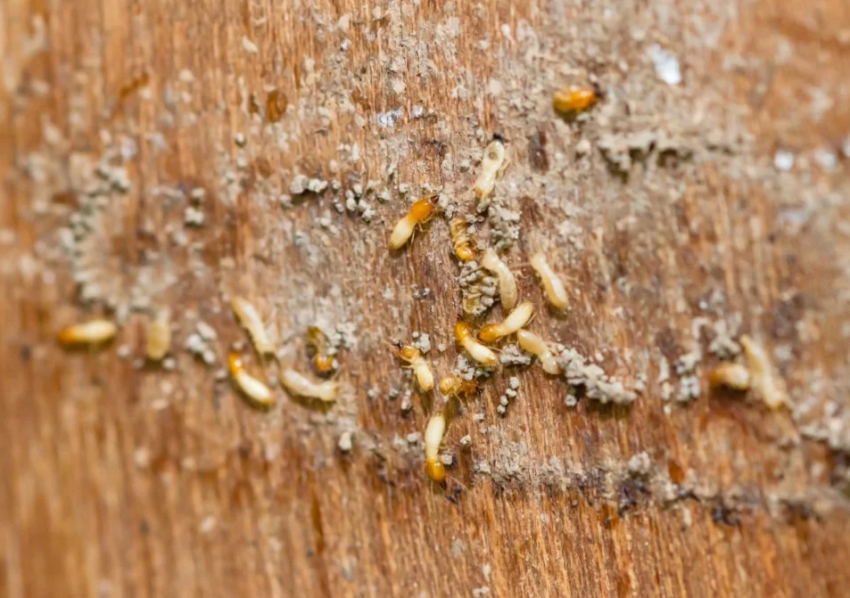
Discovering hollow-sounding timber or tiny mud tubes along your skirting boards can instantly induce panic for any property owner. In warm, humid environments, subterranean wood-destroying pests thrive, quietly consuming structural beams, door frames, and custom cabinetry from the inside out. When an infestation strikes, homeowners often feel overwhelmed by the invisible damage occurring behind walls and wonder about the financial commitment required to resolve the issue. Partnering with an experienced termite specialist ensures that colonies are completely eradicated rather than temporarily suppressed. This guide explores the true factors influencing termite treatment cost, professional eradication methods, and proactive prevention strategies.
What Causes Termite Infestations and Why Early Detection Matters
Wood-destroying insects require moisture, warmth, and a continuous cellulose food source to build massive underground colonies that can house millions of workers. In tropical and urban residential areas, buildings frequently encounter subterranean species that tunnel through soil gaps, foundation cracks, and expansion joints to reach structural wood. Because these pests feed primarily from the inside out, surface wood often appears intact long after the interior has been hollowed into thin paper. Early detection through professional inspections is critical to catching activity before floors sag and structural loads become compromised.
How a Professional Termite Specialist Operates
Hiring a certified pest management expert involves a systematic process designed to locate concealed nests and neutralize the queen. The procedure typically begins with a thorough structural inspection using advanced diagnostic equipment such as thermal imaging cameras, acoustic sensors, and moisture meters. Once the extent of the infestation is mapped, the technician determines whether liquid soil barrier treatments, baiting systems, or direct wood injections are required. Unlike generic do-it-yourself chemical sprays, professional specialists understand insect biology and colony dynamics, ensuring that the root source of the invasion is completely eliminated.
Factors That Influence Termite Treatment Cost
Budgeting for pest remediation requires understanding the various elements that dictate total project expenses. Several core factors influence the final termite treatment cost for residential and commercial properties:
- The overall square footage and architectural layout of the building being treated.
- The severity and scale of the active infestation across multiple rooms or structural levels.
- The specific treatment methodology chosen, such as subterranean baiting stations or liquid termiticide barriers.
- Accessibility of crawlspaces, sub-floors, and concrete slabs requiring drilling and chemical injection.
- The inclusion of follow-up monitoring visits and post-treatment structural warranties.
Practical Advice for Preventing Future Infestations
Proactive property maintenance plays a vital role in reducing vulnerability to wood-destroying insects throughout the year. Property owners can adopt several practical habits to deter pests before they establish nests:
- Fix leaky plumbing pipes, air conditioning condensation lines, and roof drainage issues immediately to eliminate moisture.
- Keep firewood, lumber, and cardboard boxes stored well away from exterior foundation walls.
- Ensure mulch beds and garden soil are kept at a safe distance from wooden door frames and structural siding.
- Schedule annual professional inspections to catch early warning signs before major damage occurs.
Frequently Asked Questions
Q1. What does a termite specialist do?
A professional termite specialist inspects properties for hidden wood-destroying insects, diagnoses the exact species, and implements targeted eradication methods such as chemical barriers or baiting systems.
Q2. What determines the average termite treatment cost?
Total costs depend on the property size, infestation severity, selected treatment method, labor requirements, and whether ongoing monitoring warranties are included in the service package.
Q3. Can I eliminate a termite colony using DIY sprays?
DIY aerosol sprays only kill surface workers on contact. They fail to reach the subterranean queen or deep colony nests, allowing the infestation to continue destroying structural timber unchecked.
Q4. How do professionals detect hidden termites without damaging walls?
Specialists use non-invasive diagnostic tools, including thermal imaging infrared cameras to detect heat signatures and moisture meters to locate damp timber preferred by pests.
Q5. Are modern termiticide treatments safe for family and pets?
Yes, licensed pest management professionals use modern, EPA-registered termiticides applied according to strict safety guidelines, ensuring minimal risk to human occupants and domestic pets.
Q6. How often should a property undergo a termite inspection?
Property owners should schedule a professional inspection at least once a year, or immediately upon noticing mud tubes, discarded wings, or hollow-sounding wooden structures.
Q7. Does home insurance cover termite damage repairs?
Most standard homeowners insurance policies classify wood-destroying insect damage as preventable wear and tear, meaning repairs are generally excluded from coverage unless specialized riders are purchased.
Conclusion
Protecting your real estate investment from destructive wood-boring insects requires vigilance, timely action, and expert guidance. Relying on superficial DIY fixes only allows hidden colonies to expand and cause further structural degradation. Consulting a qualified termite specialist guarantees accurate detection and comprehensive eradication tailored to your building’s layout. Understanding the variables behind termite treatment cost empowers homeowners to make informed financial decisions, ensuring long-term safety, structural integrity, and enduring peace of mind.