

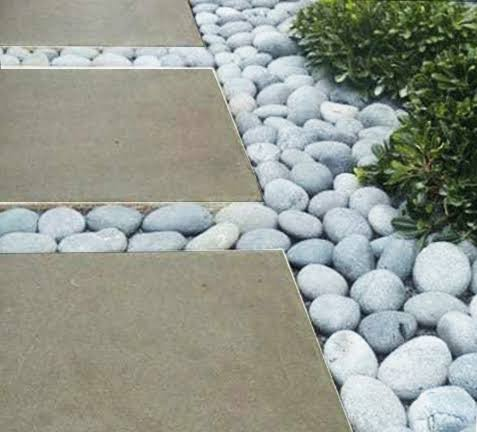
A well-designed pond can become one of the most attractive features in a garden, and the right decorative stones can help create a natural transition between the water and surrounding landscape. Pebbles are commonly used along pond edges, around waterfalls, and beneath or beside decorative water features. When selecting pond pebbles, homeowners and landscape professionals should consider factors such as stone size, shape, surface texture, color, cleanliness, and suitability for use around water. Carefully selected natural stones can help create a balanced appearance while complementing aquatic plants, larger rocks, and other landscape materials.
One of the most popular uses for pond pebbles is along the pond perimeter. A layer of rounded stones can soften the boundary between water and land, making the pond appear more naturally integrated into the surrounding garden. Pebbles can be combined with larger feature rocks to create different levels and textures. Larger stones may define specific sections of the pond edge, while smaller pebbles can fill gaps and create a smooth visual transition.
Color is another important consideration. Natural gray, brown, beige, and mixed-color stones can produce an earthy appearance that works well with plants and water. Lighter stones may create a brighter, more contemporary look, while darker materials can provide contrast and emphasize the color of the water. The best choice depends on the overall design of the pond and the appearance of nearby paving, plants, walls, and garden furniture.
Pebbles are also useful around waterfalls and streams. Smaller stones can be positioned around flowing water, while larger rocks can help create focal points and support the overall structure of the feature. The combination of different stone sizes can make a manufactured water feature appear more natural. Proper placement is important because loose stones should be arranged securely and should not interfere with pumps, drains, filters, or other pond equipment.
For ponds containing fish or aquatic plants, the materials used around the water should be selected carefully. Stones should be clean and suitable for the intended pond environment. It is advisable to follow the recommendations of pond specialists regarding stone types, cleaning procedures, and placement, particularly when the pond has sensitive aquatic life. Before adding any decorative material, stones should be cleaned appropriately to remove dust and loose particles.
Pond pebbles can also contribute to the overall maintenance and appearance of a water feature. Strategically placed stones can help define pond edges and conceal liner materials where appropriate. However, the pond should still be designed with maintenance access in mind. Overloading an edge with loose stones can make cleaning more difficult, so the layout should balance appearance with practical requirements.
The quantity and size of stones required will depend on the pond’s dimensions and design. A small decorative pond may require only a modest amount of pebbles, whereas a large natural-style pond can require several layers and different grades of stone. Measuring the area before purchasing can help prevent shortages and unnecessary material costs.
Whether used around a small backyard pond, garden waterfall, or larger landscape water feature, natural pebbles can add texture and authenticity to the design. By combining different stone sizes with suitable plants, water movement, and larger feature rocks, it is possible to create a cohesive outdoor feature that blends naturally with its surroundings. Careful material selection and proper installation can help ensure that the pond remains visually appealing and practical to maintain.