

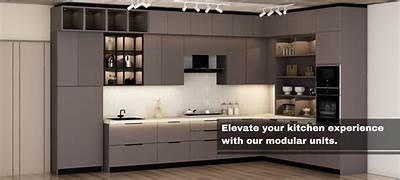
Modern interiors require furniture that combines functionality, efficient space utilization, durability, and attractive design. Modular furniture suppliers provide adaptable furniture solutions for homes, offices, institutions, retail environments, hospitality spaces, and other commercial settings. Unlike fixed furniture, modular systems consist of individual components that can be configured according to available space and specific requirements.
The principles covered in 10 Must-Have Features in a Well-Designed Corporate Office are particularly relevant when selecting modular furniture for professional environments. Ergonomic workstations, organized storage, practical layouts, technology integration, and flexibility can make furniture more effective for modern workplaces. Modular systems allow these features to be incorporated while maintaining a coordinated interior appearance.
Customized Modular Furniture
One of the main advantages of modular furniture is customization. Suppliers can provide different combinations of cabinets, shelves, desks, workstations, storage units, partitions, and other components according to the dimensions and purpose of a space.
Customization can also include materials, colours, finishes, hardware, internal storage arrangements, and overall design. This makes modular furniture suitable for projects with different aesthetic and functional requirements.
Space-Efficient Furniture Solutions
Efficient space utilization is an important reason for choosing modular furniture. Properly planned units can make use of corners, vertical areas, wall spaces, and compact floor plans.
In homes, modular furniture can be used for kitchens, wardrobes, bedrooms, studies, living rooms, and utility areas. In offices, suppliers can provide workstations, storage cabinets, meeting tables, partitions, and reception furniture.
Modular Office Furniture
Modern offices need furniture that supports individual work, collaboration, organization, and employee comfort. Modular workstations can be configured into different layouts depending on team size and floor area.
Suppliers may provide complete workplace systems that include desks, workstations, pedestals, storage units, partitions, conference tables, and reception furniture. Indian supplier directories list modular office furniture alongside residential and institutional products.
Residential Modular Furniture
Modular furniture is equally useful for residential interiors. Its configurable nature allows furniture to be designed around individual room dimensions and storage requirements.
Common applications include:
- Modular kitchens
- Bedroom wardrobes
- TV units
- Study tables
- Home office furniture
- Bookshelves
- Shoe cabinets
- Storage units
- Display cabinets
- Utility furniture
Coordinated finishes and hardware can help create a consistent visual appearance across different rooms.
Material Selection
The materials used in modular furniture influence durability, appearance, maintenance, and overall performance. Depending on the application, suppliers may offer plywood, MDF, engineered boards, laminates, acrylic finishes, veneers, metal, glass, and other materials.
The selection should consider expected usage, moisture exposure, cleaning requirements, durability, and design preferences. High-use commercial furniture may require particularly durable surfaces and hardware.
Quality and Precision
Consistent manufacturing is important for modular furniture because individual components need to fit together accurately. Precision cutting, edge-banding, drilling, finishing, and assembly can help achieve better alignment and a cleaner final appearance.
Large-scale modular furniture manufacturers and suppliers may use organized manufacturing facilities and standardized processes to maintain consistency across multiple units.
Ergonomic Design
Ergonomics is especially important when modular furniture is used in offices and other work environments. Desks and workstations should provide suitable working heights, adequate legroom, accessible storage, and comfortable working positions.
Cable management, privacy panels, adjustable configurations, and integrated storage can further improve the functionality of modular office furniture.
Integrated Storage
Storage can be incorporated directly into modular furniture systems. Drawers, cabinets, shelves, pedestals, lockers, and overhead units can help keep frequently used items organized.
Integrated storage is valuable in both residential and commercial environments because it reduces clutter while making efficient use of available space.
Flexible and Reconfigurable Systems
A major benefit of modular furniture is flexibility. Businesses may need to add workstations as their teams expand, while residential users may require different storage arrangements as their needs change.
Modular components can often be rearranged, expanded, replaced, or combined with additional units. This makes them suitable for environments where layouts may change over time.
Commercial and Institutional Applications
Modular furniture suppliers can serve a wide range of commercial and institutional requirements, including:
- Corporate offices
- Educational institutions
- Healthcare facilities
- Retail stores
- Hotels
- Showrooms
- Libraries
- Training centres
- Reception areas
- Commercial workspaces
For larger projects, standardized furniture systems can help maintain consistent dimensions, finishes, and functionality across multiple areas.
Delivery and Installation Support
Selecting furniture is only one part of a modular furniture project. Measurement, design approval, production, transportation, installation, alignment, and final adjustments are also important.
A supplier offering coordinated project support can help ensure that furniture reaches the site according to the approved specifications and fits correctly within the planned interior.
Benefits of Choosing Modular Furniture Suppliers
Working with professional modular furniture suppliers can provide:
- Customized furniture solutions
- Better space utilization
- Flexible configurations
- Integrated storage
- Modern designs
- Ergonomic workplace solutions
- Consistent finishes
- Scalable furniture systems
- Efficient installation
- Easier maintenance and replacement
- Residential and commercial applications
- Adaptability for future requirements
Supplier directories currently list modular furniture providers across multiple Indian markets and product categories, including office, residential, laboratory, school, and other furniture systems.
Conclusion
Modular furniture suppliers provide flexible solutions for interiors where space efficiency, functionality, durability, and design are important. From residential kitchens and wardrobes to office workstations, institutional furniture, storage systems, and commercial interiors, modular furniture can be configured according to different project requirements.
By choosing suitable materials, practical configurations, ergonomic designs, integrated storage, and reliable installation support, modular furniture can create more organized and adaptable spaces. Its reconfigurable nature also makes it suitable for changing residential and professional environments.