

The appetite for fresh produce keeps rising, and growers have answered by building upward, stacking crops in tall racks inside climate-controlled rooms. This tall approach only works when there is a reliable way to raise and lower plants between levels. That is the quiet job of the machine most visitors never notice.
The tall model changes almost everything about how a farm runs. It trades wide fields for high shelves, and it leans on careful movement to keep every layer productive.
Why Growers Are Building Upward
Land near a busy city costs a fortune, and open acreage is rare. Vertical farming can turn a small warehouse floor into many layers of growing area, which lets a grower produce far more from the same square footage.
Beyond output, indoor rooms are less subjected to bad weather, so harvests continue through winter storms and summer heat alike. Water is captured and reused instead of soaking into the field. Since vertical farms can be established almost anywhere, the long truck rides that tend to wilt produce are cut down.
How Plants Reach the Top Shelf
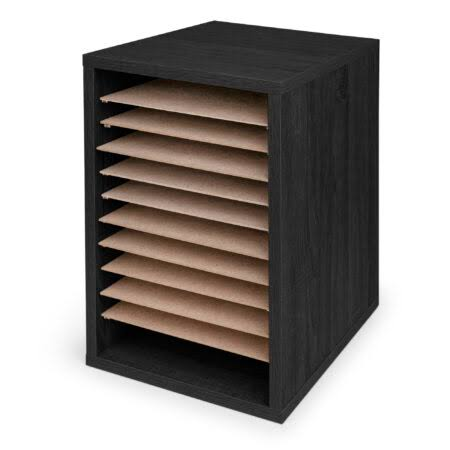
A vertical sorter operates by moving trays between levels and guiding each one toward the right rack for growing or harvest. Doing this manually would be slow and inefficient. However, the motion has to be gentle. Young shoots and delicate roots bruise easily, so rough movement can damage a tray of plants before it reaches a customer. A well-tuned lift moves at a steady pace that protects the crop while keeping the flow of trays constant. When it runs right, workers stay on firm footing while the plants travel to them.
What a Good Lift System Provides
The value of dependable up and down movement shows up in several clear ways. Each way shows why a vertical sorter system must be carefully planned rather than regarded as an afterthought.
- Higher output per square foot, since each added tier multiplies the growing area.
- Steady year-round harvests, because indoor rooms ignore the seasons outside.
- Gentler handling, which cuts the loss from bruised leaves and broken stems.
- Safer work, as staff no longer climb or reach across tall racks.
Together, these gains explain why so much energy is flowing into the vertical model. As populations climb and open land shrinks, the math keeps looking better.
Matching the Equipment to the Crop
No two growing rooms share the same layout, so a good plan starts with the building itself. Ceiling height, aisle width, and the spacing of racks all shape how a lift can be arranged. A thoughtful design threads through the room without blocking work areas.
The crop matters just as much. Leafy greens, herbs, and vine plants each sit in different trays and carry different weights. Sizing a vertical sorter to the actual mix can help reduce jams and keep trays moving during the busy harvest window. Skipping this step may lead to a bottleneck that extra staff cannot easily clear.
Keeping the Numbers Honest
The vertical model carries a warning alongside its promise. Building upward is typically expensive, and the equipment that moves crops adds to the bill. A grower who overspends on movement can watch thin margins disappear fast.
The fix is to spend where movement is frequent and save where it is rare. Trays that shuttle in and out during harvest deserve faster equipment. Trays that sit still for weeks can rely on simpler handling. Balancing those zones protects the razor-thin margins that indoor growing often runs on.
The Ground Floor of a Growing Movement
Interest in vertical farming keeps building as the technology improves. What started as a handful of pilot rooms now stocks greens on the shelves of major grocery chains.
Success in vertical farming still turns on the unglamorous details, and crop movement sits near the top of that list. A room can boast perfect lighting and precise nutrients, yet still falter if it cannot shuttle plants cleanly through its racks. Growers who treat that movement as a core design choice, rather than a last-minute add-on, give their vertical farms a steadier footing as they grow.