

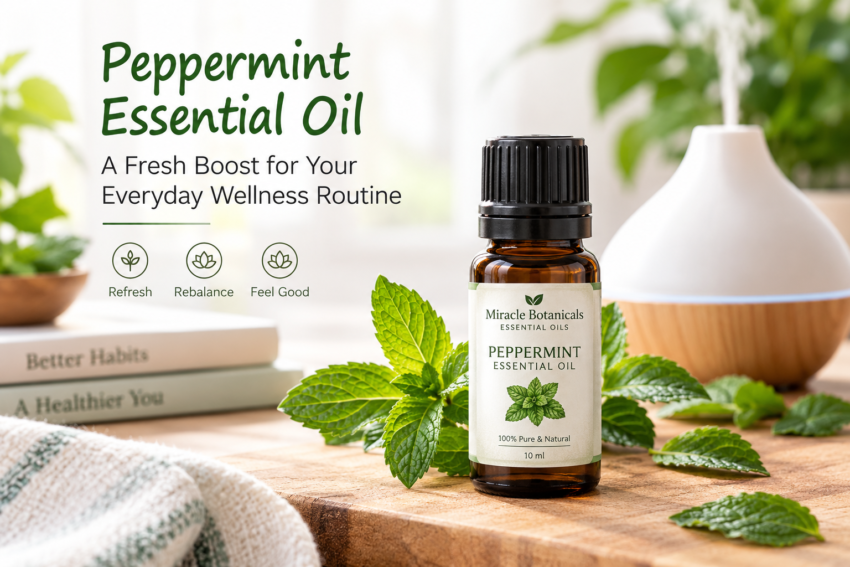
Modern self-care is not always about making major lifestyle changes. Sometimes, small habits such as creating a peaceful environment, enjoying a refreshing aroma, or taking a few quiet moments for yourself can make everyday routines feel more enjoyable. Peppermint essential oil is a popular choice for people who appreciate fresh, minty scents and want to explore simple ways to incorporate aromatherapy into their homes. Alongside other natural aromatherapy oils, it can become part of a personal wellness routine focused on relaxation, freshness, and mindful living.
Understanding the Appeal of Peppermint Oil
Peppermint has a distinctive aroma that combines cool, minty notes with a refreshing herbal character. Its essential oil is commonly obtained from the peppermint plant and contains naturally occurring compounds, including menthol and menthone, which contribute to its recognizable scent.
Many people enjoy peppermint oil because its fragrance feels crisp and invigorating. Unlike heavier floral or woody aromas, its bright scent can provide a refreshing contrast to a warm, enclosed room or a busy day indoors.
The appeal of this botanical ingredient extends beyond fragrance. It can be incorporated into carefully selected aromatherapy practices, provided it is used responsibly and according to appropriate safety guidance. Understanding its characteristics and limitations helps people make informed decisions about adding it to their routines.
1. Create a Fresh and Inviting Home Environment
A pleasant home environment can influence how comfortable and welcoming a space feels. Fragrance is one way to establish a particular atmosphere, whether someone is preparing for the day, organizing a workspace, or settling down after completing household responsibilities.
The crisp scent of peppermint can complement clean interiors and provide a refreshing aromatic experience. When used in a suitable diffuser according to the manufacturer’s instructions, a small amount may be sufficient to introduce its fragrance into a room.
It is important to remember that essential oils do not replace proper ventilation or routine cleaning. Instead, they can serve as an optional addition to an already clean and comfortable environment.
People who prefer a balanced fragrance experience may also combine different scent profiles in separate routines. For instance, fresh minty aromas can suit daytime activities, while softer floral notes may feel more appropriate for a quiet evening.
2. Make Everyday Routines More Mindful
Self-care often becomes difficult when daily responsibilities leave little room for personal time. Building a small ritual around an enjoyable scent can encourage a pause between activities.
For example, someone might spend a few minutes arranging a comfortable reading corner, opening a window, and enjoying a gentle aromatic experience before beginning a book. Another person may prefer a brief breathing exercise in a quiet room after finishing work.
These activities do not need to be complicated or expensive. Their value comes from creating a deliberate moment to slow down and pay attention to the present.
A fresh mint aroma can be one element of such a ritual, although individual preferences differ. Some people find minty fragrances enjoyable, while others prefer citrus, lavender, or floral scents. Choosing an aroma that feels comfortable is more important than following a particular trend.
3. Explore Different Aromatherapy Fragrance Profiles
One advantage of exploring botanical fragrances is the variety of scent experiences available. Peppermint offers a cool, fresh character, whereas citrus oils tend to have bright, zesty notes and floral oils often provide softer, sweeter aromas.
Experimenting with these fragrance families can help individuals identify scents that suit different spaces and occasions. A fresh aroma may be preferred in a home office, while a gentle floral fragrance might be chosen for a relaxing evening routine.
Anyone considering a blend should check the ingredients, intended use, and dilution guidance rather than assuming that all essential oils are interchangeable. Different oils have different chemical compositions and safety considerations.
People who appreciate botanical fragrance products can explore options from Miracle Botanicals Essential Oils when comparing aromas, ingredients, and product information. Reviewing these details makes it easier to select products that align with individual preferences and intended uses.
4. Complement a Comfortable Workspace
A comfortable workspace can support a more pleasant working experience. Lighting, organization, ventilation, and regular breaks generally matter more than fragrance alone, but scent can contribute to the overall atmosphere.
For those who enjoy minty aromas, a properly used diffuser may be an optional addition to a home office. Keeping the fragrance subtle is often preferable, especially when working for extended periods.
It is also worth considering other people who share the environment. Strong fragrances may trigger discomfort or irritation in some individuals, including those who are sensitive to scented products. In shared spaces, avoiding fragrance or asking others about their preferences is a considerate approach.
A refreshing scent should never become a distraction. The goal is to create an environment that feels comfortable rather than overwhelming.
5. Understand Responsible Use and Safety
Although botanical oils come from plants, they are concentrated products and should not automatically be considered harmless. Responsible use starts with reading the label and following the manufacturer’s directions.
When using peppermint oil in aromatherapy, consider the following precautions:
- Avoid undiluted skin application. Essential oils can irritate the skin. Any topical use should follow reliable dilution guidance, with a suitable carrier oil and appropriate product instructions.
- Do not ingest it casually. Swallowing essential oils can cause harmful effects. Only use products internally when specifically directed by a qualified healthcare professional in an appropriate clinical context.
- Keep it away from the eyes and sensitive areas. Contact can cause significant irritation.
- Use diffusers carefully. Follow the device instructions, ensure suitable ventilation, and discontinue use if irritation or discomfort occurs.
- Consider children and pets. Peppermint oil may not be suitable around certain animals or young children. Seek species-specific veterinary guidance where relevant.
- Check individual sensitivities. People with respiratory sensitivities, allergies, or other concerns should consult a qualified healthcare professional before use.
Essential oils should not be presented as substitutes for medical treatment. Their most appropriate role in an everyday routine is generally as an optional fragrance experience rather than a guaranteed remedy for health concerns.
6. Choose Quality Products With Care
Selecting an essential oil involves more than choosing an attractive label or a familiar scent. Product transparency, ingredient information, packaging, and clear directions can help consumers make more informed choices.
Look for the botanical name where available, the stated ingredients, appropriate storage instructions, and guidance on intended use. A clearly labelled product should also provide relevant safety information.
Store essential oils tightly closed in suitable containers, away from direct sunlight, excess heat, and children. Follow the product’s storage recommendations and avoid using oils that show unexpected changes in appearance or smell.
Price alone is not a reliable measure of quality. Comparing product details and purchasing from suppliers that provide clear information can help establish more realistic expectations.
7. Combine Fragrance With Other Self-Care Habits
A satisfying wellness routine is built around habits that are practical enough to maintain. Fragrance can be one small part of a broader approach that includes adequate rest, enjoyable hobbies, physical activity, and time away from screens.
For example, a person might establish an evening routine by tidying their surroundings, preparing a warm caffeine-free drink, reading for fifteen minutes, and enjoying a mild fragrance if it is suitable for their household. Another person may prefer a morning routine that includes fresh air, stretching, and a few moments of quiet reflection.
The best routine is one that accommodates individual needs and does not create unnecessary pressure. Aromatherapy is optional, and people can enjoy the same benefits of a mindful pause without using scented products.
How Floral Essential Oils Fit Into Everyday Self-Care
Floral fragrances offer another way to make everyday self-care feel more personal. As discussed in the article How Floral Essential Oils Can Enhance Everyday Self-Care, floral aromas can be incorporated into simple routines that emphasize pleasant surroundings and moments of relaxation.
Exploring floral and minty fragrance profiles also highlights how different scents can serve different preferences. While peppermint has a crisp, cooling aromatic character, floral oils often offer softer and more delicate notes. Choosing between them—or enjoying them in separate routines—allows individuals to create a fragrance experience that suits their environment and personal taste.
As with all essential oils, the intended use, product instructions, and safety precautions should guide any decision to introduce a new fragrance.
Conclusion
Incorporating peppermint into an everyday wellness routine can be as simple as enjoying its fresh aroma in a suitable, well-ventilated space. Its distinctive scent makes it an appealing option for people who prefer clean, invigorating fragrance profiles, while responsible use helps keep the experience comfortable.
By choosing clearly labelled products, respecting individual sensitivities, and combining fragrance with practical self-care habits, people can develop routines that feel natural and sustainable. Ultimately, a successful wellness routine is not defined by the number of products it includes but by how well its habits fit everyday life.
Frequently Asked Questions
1. What does peppermint essential oil smell like?
It has a fresh, minty, cooling aroma with a crisp herbal character. The intensity can vary depending on the product and formulation.
2. How can peppermint oil be used at home?
It may be used in a compatible diffuser according to the manufacturer’s instructions. Ensure adequate ventilation and stop using it if anyone experiences irritation or discomfort.
3. Can peppermint oil be applied directly to the skin?
Undiluted essential oils can irritate the skin. Follow suitable dilution guidance and product instructions, and consult a healthcare professional if you have concerns about topical use.
4. How should peppermint oil be stored?
Keep the container tightly closed and store it away from sunlight, heat, and children’s reach. Follow the manufacturer’s specific storage recommendations.
5. Can peppermint and floral essential oils be part of the same self-care routine?
Yes. People can explore both fragrance types, preferably in separate routines at first to understand their preferences and sensitivities. Any blending should follow reliable formulation and safety guidance.