

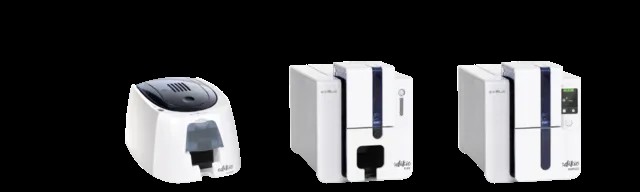
Plastic cards can serve many business purposes, from employee identification to membership programmes and customer loyalty applications. For organisations that need personalised cards regularly, producing them internally can offer greater control over the printing process.
Selecting suitable equipment requires more than comparing product names. Businesses should consider card purpose, design requirements, printing frequency, consumables, and the people who will operate the equipment. A printer for plastic cards should ultimately fit the workflow rather than simply match a list of features.
What Can Businesses Use Plastic Cards For?
A plastic card can carry information in a compact and professional format. Its exact design depends on how the organisation intends to use it.
Common applications include:
- Employee identification
- Membership cards
- Loyalty cards
- Visitor identification
- Student or staff cards
- Access-related identification
- Customer cards
Not every application requires the same design or information.
Define the Card’s Purpose First
Start by identifying who will receive the card and what information they need to see. This prevents unnecessary details from taking up valuable space.
An employee card may need a photograph and department information, while a loyalty card may focus on customer identification and programme details.
Understanding Card Printers
Dedicated card printers are built around the requirements of card-sized media. This differs from ordinary office printing, where paper is normally the primary material.
When evaluating equipment, consider how the printer will fit into the complete process. The design software, card stock, printing supplies, data preparation, and maintenance routine all contribute to the final result.
What Should You Look For?
There is no single feature that determines whether a card printer is appropriate. Instead, consider several practical areas.
Printing Requirements
Think about the type of cards you expect to produce and how often you will print them. Occasional users may have different priorities from businesses producing cards throughout the week.
Also consider whether cards will contain photographs, logos, colour elements, barcodes, or QR codes.
Card Design
The physical size of a card means that design decisions matter. Text must remain readable, photographs should be clear, and important information should have enough visual prominence.
Test the Design at Actual Size
A design that looks excellent on a large monitor may not work equally well when reduced to card dimensions. Print a sample and inspect it before approving the template.
Check spelling, image quality, alignment, spacing, and contrast.
Choosing Compatible Materials
The media used by the printer is another important consideration. A Plastic card Printer should be paired with appropriate cards and compatible printing supplies.
Don’t assume every plastic card will produce the same result. Material and surface characteristics can influence how printed elements appear.
Before purchasing larger quantities, confirm that the cards and consumables are appropriate for the selected equipment.
Managing Personalised Data
Plastic cards often contain personal information. A reliable workflow should include a process for checking details before printing.
A basic sequence can be:
Collect information → prepare design → verify details → print → inspect → issue
This simple structure helps reduce avoidable mistakes.
Create a Standard Template
A reusable template can save time. Logos, colours, headings, and fixed information can remain consistent while individual fields change from one cardholder to another.
Templates are especially useful when more than one staff member is involved in card production.
Think About Ongoing Costs
The equipment purchase is only part of the budget. Businesses should consider cards, ribbons, cleaning products, and other required supplies.
Printing volume also matters. Estimate your normal requirement instead of planning only around an occasional peak.
Keep Consumables Organised
Running out of an essential supply can interrupt an otherwise simple printing task. Maintaining a basic inventory system can help staff know when commonly used materials need to be reordered.
Maintenance and Staff Training
A card-printing workflow works best when users understand basic operating and maintenance procedures. Staff should know how to prepare cards, replace appropriate consumables, perform routine cleaning, and identify common printing issues.
Follow the applicable manufacturer instructions rather than using improvised maintenance methods.
Why Choose Us
Businesses often need straightforward guidance when setting up card printing for the first time. Our approach focuses on practical product information, customer requirements, and the relationship between equipment and supporting materials.
The aim is to help customers evaluate their actual printing workflow instead of selecting equipment based solely on specifications.
About Us
Edikio offers printing solutions for specialised business applications, including card-related printing requirements. We focus on products and information that help organisations establish practical in-house printing processes.
Customers can consider their card type, volume, design, and consumable requirements when exploring available solutions.
Final Thoughts
A successful plastic card programme begins with a clear understanding of the business requirement. Consider the card’s purpose, design, data, materials, printing frequency, and maintenance needs before selecting equipment. The right card printers are those that fit naturally into the way your organisation creates and manages cards.