

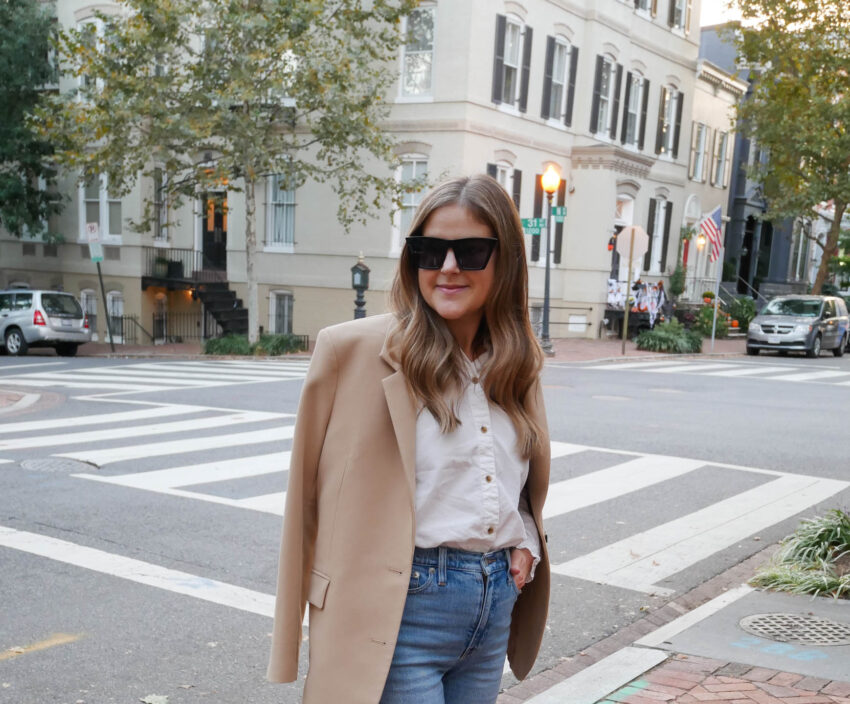
Creating a business casual capsule wardrobe that works throughout the year requires thoughtful planning, versatile clothing, and an understanding of changing weather conditions. What feels comfortable during a warm summer afternoon may not provide enough coverage during a cold winter commute. Instead of replacing your entire wardrobe every season, you can adapt a collection of reliable essentials with lightweight layers, weather-appropriate fabrics, and a few seasonal accessories. This approach helps you maintain a polished professional appearance while making better use of the clothes you already own. With a little preparation, you can create comfortable, practical outfits for every season without unnecessary shopping.
A seasonal wardrobe should reflect your workplace expectations, personal style, daily schedule, and local climate. Some professionals spend most of their day in temperature-controlled offices, while others commute outdoors, travel between locations, or work in environments with changing practical requirements. These differences influence which fabrics, shoes, and outer layers are most useful. A well-organized collection makes it easier to adjust your outfits without sacrificing comfort or professionalism. By choosing pieces that coordinate throughout the year, you can simplify your morning routine and maintain a consistent style in every season.
Understanding a Seasonal Business Casual Capsule Wardrobe
The seasonal approach focuses on adjusting these essentials to suit changing temperatures rather than building a completely separate wardrobe for each part of the year. A business casual capsule wardrobe is a carefully selected collection of clothing that can be mixed and matched to create multiple professional outfits. It usually includes versatile trousers, shirts, blouses, skirts, dresses, knitwear, jackets, and footwear that work together in different combinations. You might keep the same tailored trousers and neutral tops while changing your outer layers, fabrics, and accessories. This makes your wardrobe more flexible and can help reduce spending on clothing you only wear occasionally.
The most effective seasonal wardrobe begins with a dependable foundation. Neutral trousers, simple tops, comfortable shoes, and a versatile jacket can work across several months when styled appropriately. You can then introduce seasonal pieces such as breathable shirts for summer, lightweight cardigans for spring, or warmer knitwear for winter. Your choices should reflect how you actually spend your workdays rather than following a fixed list of fashion essentials. A practical collection is one that allows you to dress comfortably, meet workplace expectations, and feel confident without spending too much time planning every outfit.
Spring: Refresh Your Wardrobe With Lightweight Layers
Spring weather can change considerably throughout the day, making flexible layering especially useful. A morning commute may feel chilly, while the afternoon becomes warm enough for lighter clothing. Lightweight blazers, cardigans, cotton shirts, and tailored trousers provide a useful foundation for this transitional season. You can combine a simple blouse with neutral trousers and a jacket, then remove the outer layer when temperatures rise. Choosing pieces that work together in several combinations helps you stay prepared for changing conditions without carrying unnecessary clothing.
Spring is also a good time to review your wardrobe and identify items that need replacing or repairing. Put away heavy winter layers that are no longer practical for everyday use, but keep one warmer option available for unexpectedly cool days. Introduce lighter colors, subtle patterns, or brighter accessories if they suit your personal style. You do not need to purchase an entirely new collection to create a seasonal refresh. A few carefully chosen additions can make familiar pieces feel different while allowing you to keep using the essentials you already own.
Footwear and accessories deserve attention during spring because rain and changing temperatures can affect your daily comfort. Loafers, flats, ankle boots, or other appropriate shoes may work well depending on local conditions and workplace expectations. A compact umbrella and a practical work bag can also be useful when the weather is unpredictable. Choose clothing that can be layered comfortably without becoming bulky or restrictive. By preparing for both cool mornings and warmer afternoons, you can create a spring wardrobe that remains functional throughout the workday.
Summer: Choose Breathable Fabrics and Comfortable Fits
Summer dressing often requires clothing that feels comfortable in warm weather while maintaining an appropriate professional appearance. Breathable fabrics such as cotton, linen blends, and suitable lightweight materials can help make long workdays more manageable. Tailored trousers, lightweight skirts, professional dresses, and short-sleeved blouses can provide practical options, depending on your workplace dress code. Look for cuts that allow comfortable movement and avoid fabrics that feel heavy or cling uncomfortably in the heat. A simple outfit made from suitable materials can look polished without requiring several layers.
A summer capsule wardrobe does not need to be filled with new seasonal clothing. Many of your existing pieces can remain useful if you combine them with lighter tops and suitable footwear. For example, neutral trousers may work with a breathable blouse during the day and a lightweight blazer for meetings in more formal settings. A versatile dress can also serve as a complete outfit with minimal additional styling. If your office uses strong air conditioning, keep a light cardigan or jacket nearby so that your outfit remains comfortable indoors.
Accessories can help you adapt summer outfits without making them complicated. A structured bag, simple jewelry, a belt, or a lightweight scarf can add interest to basic clothing combinations. Footwear should suit your commute and the amount of walking you do, so prioritize comfort and support rather than appearance alone. Consider the care requirements of summer fabrics, as some materials wrinkle easily and may need extra attention before work. Planning a few reliable combinations in advance can make warm-weather mornings easier while keeping your professional style consistent.
Fall: Build Outfits With Textures and Versatile Layers
Fall is an ideal season for using layers to add warmth, structure, and variety to your business casual capsule wardrobe. Lightweight sweaters, cardigans, blazers, and tailored jackets can be worn over shirts or simple tops as temperatures begin to drop. Earthy colors, deep blues, burgundy, olive, and other seasonal shades can complement a foundation of neutral clothing. You do not need to follow every seasonal trend, but introducing a few colors or textures can refresh familiar outfits. The goal is to create combinations that remain comfortable indoors while providing enough coverage for cooler outdoor conditions.
Layering also allows you to reuse summer essentials in a different way. A lightweight blouse that worked well on its own during warmer months can become a base layer under a cardigan or blazer. Tailored trousers can be paired with a knit top and ankle boots when the weather becomes cooler. If your workplace has a relaxed dress code, dark denim may also be suitable when styled with polished layers. Check your employer’s expectations before relying on more casual pieces, particularly for client meetings or formal professional events.
Fall is also a useful time to assess whether your shoes and outerwear are ready for wetter or colder conditions. Clean and inspect your existing footwear before deciding whether you need replacements. A practical jacket that coordinates with several outfits may be a better investment than multiple trend-focused pieces. If you commute outdoors, consider water-resistant options and layers that are easy to remove once you reach the office. By making a few targeted adjustments, you can extend the usefulness of your existing wardrobe while preparing for cooler days.
Winter: Prioritize Warmth Without Losing a Polished Look
Winter dressing requires a balance between warmth, comfort, and professional presentation. Wool or suitable wool-blend trousers, knit dresses, long-sleeved tops, sweaters, and structured jackets can provide a dependable foundation for colder weather. Layering a shirt beneath a sweater or adding a blazer over a lightweight knit can create warmth without making an outfit unnecessarily bulky. Choose fabrics that suit your local climate and consider how comfortable they will feel in heated indoor environments. The most useful winter pieces are those that keep you comfortable during your commute while remaining practical once you arrive at work.
Outerwear becomes particularly important when temperatures fall or conditions turn wet and windy. A warm coat in a versatile color can coordinate with many outfits, while suitable boots can help protect your feet during cold or rainy commutes. Scarves, gloves, and other weather-appropriate accessories can add warmth without requiring changes to your entire work wardrobe. If you walk or use public transportation, prioritize footwear with suitable traction and clothing that allows you to move comfortably. Once indoors, removable layers help you adapt to warmer office temperatures without feeling overheated.
Winter can also increase the temptation to rely on the same few outfits repeatedly. You can maintain variety by changing the combinations of tops, trousers, knitwear, and accessories you already own. For example, the same tailored trousers can work with a fine-knit sweater one day and a blouse with a cardigan another day. Rotating your layers also helps you use your wardrobe more evenly. Keep garment care in mind, especially for knitwear and heavier fabrics, and follow care labels to help preserve their shape and condition throughout the season.
Natural Hairstyles for Work in Every Season
Your hairstyle can be another part of your seasonal routine, especially when weather affects moisture, frizz, definition, and overall manageability. Natural hairstyles for work can include defined curls, twist-outs, flat twists, locs, braids, low buns, and natural puffs. The most suitable option depends on your hair texture, personal preferences, workplace needs, and the time you have available. Choosing a few dependable styles can help you maintain a professional appearance without spending too much time getting ready each morning. Your natural texture does not need to be changed to create a polished workplace look.
During spring and summer, humidity and heat may affect how certain styles hold their shape. Some people prefer twists, braids, or other styles that reduce daily manipulation, while others enjoy wearing their curls or coils in a natural shape. Using suitable products and protecting your hair overnight may help you maintain your preferred style. Avoid excessive tension around the hairline, particularly when gathering hair into tight buns or ponytails. Select hairstyles that remain comfortable throughout the day and can be refreshed without repeated pulling or brushing.
In fall and winter, cold air, indoor heating, and friction from hats or scarves may affect hair and scalp comfort. Gentle nighttime protection, suitable conditioning, and careful handling can help support your regular hair care routine. You might choose a twist-out, a low puff, neatly arranged locs, or a comfortable braided style depending on your needs. Consider how your hairstyle works with collars, scarves, and outerwear so that your hair does not become unnecessarily tangled or compressed. A manageable routine that adapts to the weather can make getting dressed and preparing your hair feel more straightforward.
Build a Seasonal Color Palette That Works All Year
A consistent color palette makes seasonal outfit planning easier because many pieces can be worn together throughout the year. Black, navy, gray, beige, cream, and white are common foundation colors, but your palette can include any shades that suit your preferences and workplace. Once you have selected a few dependable colors, introduce seasonal accents through tops, scarves, knitwear, or accessories. For example, lighter shades may feel fresh in spring and summer, while deeper tones can provide variety in fall and winter. These are optional styling choices rather than strict rules, so choose colors that make you feel comfortable and confident.
You can also use texture to create variety without adding too many colors. A smooth blouse, a knitted cardigan, tailored trousers, and a textured jacket may create an interesting combination even when they share a similar palette. This approach can help a small wardrobe feel more versatile and thoughtfully coordinated. Before buying a seasonal item, consider whether it complements at least three pieces you already own. That simple check can help prevent purchases that look appealing individually but are difficult to style with your existing clothing.
Organize and Maintain Your Wardrobe Between Seasons
A seasonal wardrobe works best when you review it regularly rather than waiting until the weather changes unexpectedly. At the end of each season, identify the items you wore most often and those that remained unused. Clean and store clothing according to its care instructions, repair minor damage, and set aside pieces that no longer fit your needs. Keep versatile essentials accessible if they can be worn across multiple seasons. This process helps you understand what you own and makes it easier to plan future purchases based on actual needs.
When storing off-season clothing, make sure items are clean and completely dry before putting them away. Use suitable storage containers or garment covers, depending on the fabric and available space. Knitwear may benefit from folding rather than hanging if hanging would stretch its shape, while structured jackets may require appropriate hangers. Keep frequently used seasonal layers somewhere easy to reach so you can respond to unexpected temperature changes. Good organization helps protect your clothing and reduces the time needed to find suitable outfits.
Budgeting is another important part of seasonal wardrobe maintenance. Instead of shopping whenever a new season begins, make a list of genuine gaps and prioritize the pieces you need most. Look for versatile items during sales, compare prices, and consider secondhand options when they meet your quality and fit requirements. A new purchase should serve a clear purpose and work with several items you already own. By shopping selectively, you can keep your wardrobe functional and adaptable without feeling pressure to replace everything each season.
Create a Seasonal Wardrobe That Fits Your Lifestyle
Adapting your business casual capsule wardrobe throughout the year does not require a complete closet makeover every few months. A dependable foundation of trousers, tops, layers, footwear, and accessories can serve you in every season when you adjust fabrics and combinations to suit the weather. Add lightweight pieces for warmer months, practical layers for transitional weather, and suitable knitwear and outerwear for winter. By choosing versatile items that work together, you can maintain a polished professional appearance while keeping your wardrobe manageable and your spending under control.
The best seasonal wardrobe is one that reflects your workplace, local climate, personal style, and daily routine. Natural hairstyles for work can also complement this approach by giving you flexible options that suit changing weather and your preferred hair care practices. Plan outfits ahead, maintain the pieces you already own, and introduce new items only when they address a real need. With consistent organization and thoughtful choices, you can create a year-round wardrobe that makes getting ready easier, supports your comfort, and helps you feel confident at work.