

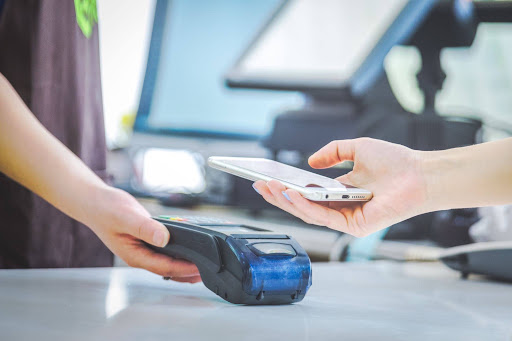
Modern businesses rely on electronic payment technology to process transactions efficiently and securely. Point of sale terminals are a key part of this setup, allowing customers to pay using cards, contactless methods, and supported mobile wallets.
Although a terminal may look like a simple checkout device, it can connect several technologies involved in payment authorization and transaction management. Understanding how point of sale terminals work can help businesses choose equipment that matches their checkout environment, payment methods, connectivity requirements, and software needs.
What Are Point of Sale Terminals?
Point of sale terminals are electronic devices used at the point of purchase to accept and process customer payments. Depending on the model, they may support EMV chip cards, magnetic-stripe cards, NFC contactless payments, QR codes, and mobile wallets.
Some terminals operate primarily as payment devices, while others are integrated into broader point-of-sale systems that manage sales, inventory, receipts, and reporting.
Current payment-terminal collections include countertop devices, portable terminals, and complete POS systems with features designed for different business environments.
How Point of Sale Terminals Work
When a customer makes a purchase, the terminal captures the required payment information. The transaction is then transmitted through the merchant’s payment-processing infrastructure to the relevant financial networks.
The issuing institution determines whether the transaction can be authorized. If approved, the terminal receives confirmation and the sale can be completed. The transaction later moves through clearing and settlement processes.
The customer may only interact with the device for a few seconds, but several systems can operate behind the scenes to complete the transaction.
Types of Point of Sale Terminals
Different businesses require different types of equipment. Point of sale terminals can generally be categorized according to how they are installed and used.
Countertop Terminals
Countertop terminals are designed for fixed checkout locations. They are commonly used at retail counters, reception desks, service businesses, and other permanent checkout points.
These devices can support several payment methods while occupying relatively little counter space.
Portable Terminals
Portable terminals allow employees to take payment directly to customers. They can be useful for restaurants, events, markets, pop-up shops, and businesses that need flexible checkout locations.
Depending on the model, portable terminals may use Wi-Fi or cellular connectivity and may include rechargeable batteries.
Integrated POS Terminals
Some point of sale terminals are part of larger POS systems that combine payment acceptance with business-management functions.
An integrated setup may connect payment processing with:
- Inventory management
- Product catalogs
- Sales reporting
- Customer records
- Employee management
- Receipt generation
- Tax calculations
- Business analytics
This can reduce the need to manage several disconnected systems.
Point of Sale Terminals for Retail Businesses
Retail businesses often need more than payment acceptance. They may also need to track inventory, manage product information, monitor sales, and produce reports.
A point of sale system for retail can combine these functions with payment acceptance. This type of system can be useful for stores that handle many products and transactions throughout the day.
For example, current retail POS offerings include systems with features such as barcode scanning, cash drawers, customer-facing displays, inventory tools, and reporting.
The appropriate setup depends on the size of the store, number of checkout stations, inventory requirements, and existing business software.
Payment Methods Supported
One of the most important factors when comparing point of sale terminals is payment compatibility.
Modern equipment may support:
- EMV chip cards
- NFC contactless cards
- Mobile wallets
- Magnetic-stripe cards
- QR-code payments
- Debit cards
- Credit cards
- Other payment methods supported by the processor
Businesses should verify that the terminal supports the payment methods their customers are most likely to use.
For example, the PAX A35 listed in the current payment-terminal collection supports EMV, NFC, magnetic stripe, and QR-code payments.
Security Considerations
Payment security should be considered when selecting and deploying point of sale terminals.
The PCI Security Standards Council maintains listings of tested and approved payment technologies, including PIN Transaction Security devices designed for use at the point of interaction.
PCI guidance also identifies approved payment terminals as one technology option for protecting payment information and supporting EMV, mobile, and contactless payment acceptance.
Businesses should consider security features such as:
- EMV support
- Encryption
- Secure software
- Device authentication
- Tamper protection
- Access controls
- Secure network connections
- Regular software updates
Security also depends on how the entire payment environment is configured, not just the physical terminal.
Connectivity Options
Connectivity determines how a terminal communicates with payment-processing systems.
Common options include:
Ethernet
Wired Ethernet connections can provide a stable connection for fixed checkout locations.
Wi-Fi
Wi-Fi can provide greater flexibility when installing terminals without dedicated network cabling.
Cellular
Cellular connectivity can be useful for mobile businesses or locations where traditional internet connections are unreliable.
Some devices can support multiple connectivity methods or automatically switch between available connections. The appropriate choice depends on the business environment and the terminal’s specifications.
POS Terminal Features to Compare
Businesses evaluating point of sale terminals should compare practical features rather than selecting equipment solely because it has the newest technology.
Important considerations include:
- Payment compatibility — Check which card and contactless methods are supported.
- Connectivity — Determine whether Ethernet, Wi-Fi, cellular, or another connection is required.
- Display — Consider screen size and customer-facing functionality.
- Receipt options — Check whether receipts are printed, digital, or both.
- POS integration — Verify compatibility with existing software.
- Security — Review applicable security features and requirements.
- Portability — Decide whether employees need to take payments away from a fixed counter.
- Maintenance — Understand software updates, technical support, and hardware servicing.
- Scalability — Consider whether additional terminals can be added later.
- Total cost — Evaluate equipment, processing, software, and service expenses together.
Integrated POS vs. Standalone Terminal
A standalone terminal primarily focuses on payment acceptance. An integrated POS system can perform additional business functions.
For a small service business that only needs to accept payments, a standalone terminal may be sufficient. A retailer with hundreds or thousands of products may need inventory tracking and sales reporting in addition to payment processing.
Businesses should therefore determine which functions they actually need before purchasing equipment.
Maintenance and Technical Support
Like other electronic equipment, point of sale terminals require ongoing maintenance and support.
Problems can involve connectivity, payment software, displays, printers, card readers, or other hardware components. Businesses should know how technical issues are reported and how quickly replacement equipment can be provided when necessary.
Software updates are also important because payment technology and security requirements can change over time. Businesses should follow the update procedures provided by the equipment manufacturer, processor, and applicable security standards.
Choosing the Right Terminal
There is no single terminal that suits every business. A restaurant may prioritize portable equipment for tableside payments, while a retail store may require integrated inventory and barcode functionality.
A business with multiple locations may also need centralized reporting and management, while a small independent merchant may prioritize simplicity and ease of use.
The best selection process begins with the business’s actual transaction environment and then identifies the equipment features required to support it.
Conclusion
Point of sale terminals have evolved from basic card-reading devices into flexible payment technologies that can support chip cards, contactless payments, mobile wallets, and integrated business systems. Businesses should evaluate payment compatibility, connectivity, security, software integration, portability, maintenance, and total cost before selecting equipment. Businesses researching payment technology can also review providers such as Best Products Sales & Service alongside other available options and compare equipment based on their operational requirements rather than relying solely on product features or price. A properly matched terminal can provide a practical foundation for efficient payment acceptance and a more organized checkout process.