
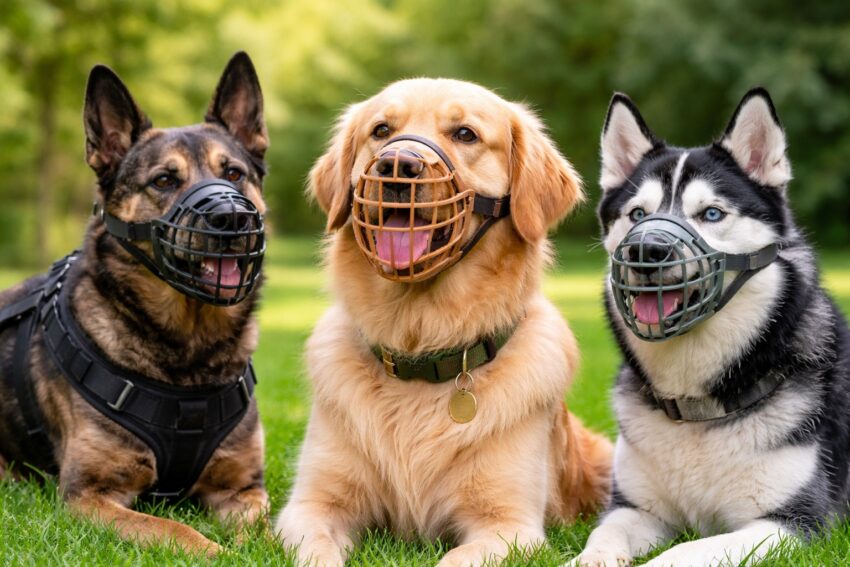
When used correctly, a dog muzzle can be a valuable tool for safety, training, and responsible pet ownership. Among the various types available, Basket Dog Muzzles are often recommended by trainers and veterinarians due to their humane design and versatility. However, many dog owners still wonder: are they truly safe? The answer lies in proper selection, fitting, and training.
What Makes Basket Muzzles Different?
A basket muzzle is designed with an open structure that allows a dog to breathe comfortably, pant, and even drink water while wearing it. Unlike soft or fabric muzzles that hold the mouth closed, basket designs prioritize airflow and natural behavior. This makes them suitable for longer periods when necessary, especially in situations like vet visits, grooming sessions, or public outings.
Are They Safe for Dogs?
Yes, basket muzzles are generally safe when used appropriately. Their design minimizes stress and allows dogs to regulate body temperature through panting—an essential function, especially in warm climates. Safety, however, depends on three key factors:
- Correct Fit – A poorly fitted muzzle can cause discomfort, chafing, or even restrict breathing.
- Proper Use – Muzzles should not be used as a punishment or for extended unsupervised periods.
- Training – Dogs should be gradually introduced to wearing a muzzle to prevent fear or anxiety.
When these elements are in place, basket muzzles become a safe and effective management tool.
Key Benefits of Basket Muzzles
1. Enhanced Safety
Basket muzzles help prevent biting in high-stress or unpredictable situations. This is especially useful for dogs that are reactive, fearful, or undergoing behavioral training.
2. Allows Natural Behaviors
Unlike restrictive options, a basket muzzle allows dogs to pant, drink water, and take treats. This is crucial for maintaining comfort and reducing stress during use.
3. Useful for Training
Trainers often use muzzles as a temporary safety measure while working on behavioral issues such as aggression or anxiety. It allows controlled exposure without risk.
4. Veterinary and Grooming Support
Even well-behaved dogs may react defensively when in pain or discomfort. A muzzle ensures safety for both the dog and the professional handling them.
5. Legal and Public Compliance
In some areas, muzzles are required in public spaces for certain breeds or situations. Using one responsibly helps you stay compliant while protecting others.
How to Choose the Right Fit
A proper fit is essential for both safety and comfort. Here’s what to look for:
- Snug but not tight: The muzzle should sit securely without pressing into the dog’s skin.
- Enough room to pant: Your dog should be able to open their mouth slightly.
- No rubbing or sores: Check for signs of irritation after use.
- Secure straps: Adjustable straps ensure the muzzle stays in place without slipping.
Measuring your dog’s snout length and circumference before purchasing is highly recommended. Different breeds have different facial structures, so one size does not fit all.
Training Your Dog to Accept a Muzzle
Introducing a muzzle should be a gradual and positive experience. Rushing the process can create fear and resistance.
Step 1: Positive Association
Start by letting your dog sniff the muzzle. Reward them with treats whenever they show interest.
Step 2: Voluntary Interaction
Place treats inside the muzzle so your dog willingly puts their nose in. Do not force it.
Step 3: Short Wear Time
Once comfortable, gently secure the straps for a few seconds. Gradually increase the duration over multiple sessions.
Step 4: Practice in Calm Settings
Have your dog wear the muzzle during relaxed activities at home before using it in public or stressful environments.
Step 5: Reinforce Good Behavior
Always reward calm behavior while wearing the muzzle. This builds confidence and trust.
Common Mistakes to Avoid
- Using it as punishment: This creates negative associations and increases anxiety.
- Leaving it on too long: Even a well-fitted muzzle should not be worn for extended periods without breaks.
- Skipping training: Forcing a muzzle onto an untrained dog can lead to fear or aggression.
- Choosing the wrong type: Not all muzzles are suitable for every situation—avoid overly restrictive designs for long-term use.
When Should You Use a Muzzle?
A dog muzzle can be appropriate in several scenarios:
- During vet or grooming visits
- In crowded public areas
- When introducing dogs to new environments
- During behavioral training programs
- In emergencies or injury situations
It’s important to remember that a muzzle is a management tool—not a solution to underlying behavioral issues. Training and professional guidance should always be part of the process.
Final Thoughts
Basket muzzles are a safe, humane, and effective option when used correctly. They allow dogs to remain comfortable while providing an added layer of safety for both the animal and those around them. By focusing on proper fit, positive training, and responsible use, you can ensure that your dog benefits from wearing a muzzle without stress or discomfort.
Ultimately, the goal is not to restrict your dog, but to create a safer and more controlled environment where training and trust can thrive.