

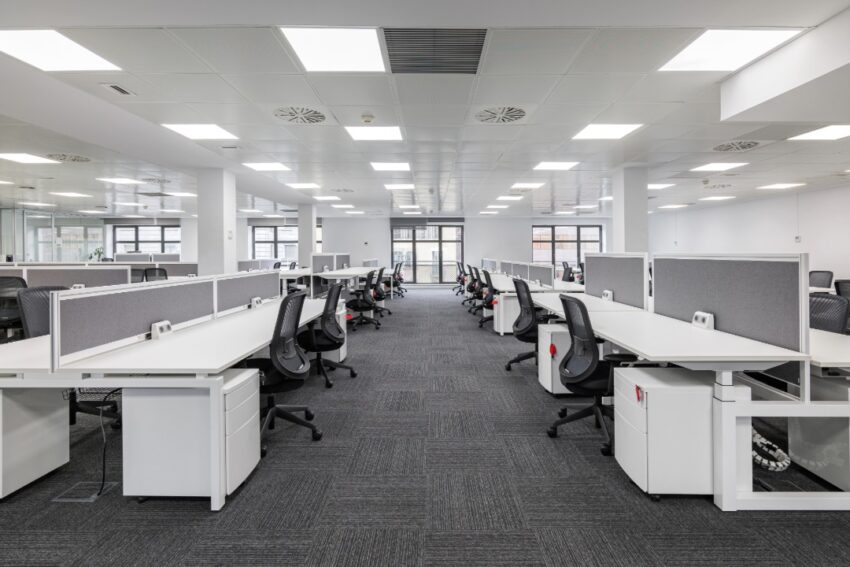
Choosing the best office furniture is essential for creating a workplace that supports comfort, efficiency, organization, and productivity. Office furniture is more than desks and chairs; it includes workstations, storage units, meeting tables, reception furniture, collaborative seating, and other elements that shape how employees use the workspace.
When selecting furniture for a modern workplace, Office Interior Design Trends That Improve Productivity can provide useful inspiration for combining comfort and functionality. Ergonomic seating, organized workstations, flexible layouts, practical storage, and collaborative furniture can help create an office environment that is both attractive and efficient.
Ergonomic Office Chairs
A comfortable office chair is one of the most important furniture investments for employees who spend several hours working at a desk. The best office chairs should provide appropriate back support, adjustable height, comfortable seating, and suitable arm support.
Ergonomic features can improve everyday comfort while allowing employees to maintain a more suitable working posture.
Functional Office Desks
Office desks provide the foundation for individual workstations. A good desk should offer sufficient workspace for computers, documents, stationery, and other essential equipment.
Modern desks can also include cable-management systems, integrated storage, and flexible configurations to keep work areas organized.
Modular Office Workstations
Modular workstations are suitable for businesses that require flexible and scalable office layouts. They can be arranged into individual work areas, team clusters, or larger workstation systems.
Their adaptable design makes it easier to reorganize the workplace when teams expand or working requirements change.
Practical Storage Furniture
Storage is essential for maintaining an organized office. Cabinets, pedestals, shelving units, lockers, credenzas, and storage walls can provide dedicated spaces for documents, supplies, and personal belongings.
Well-planned storage reduces clutter and helps employees keep their workstations clean and functional.
Conference Room Furniture
Conference tables and chairs should provide comfort while creating a professional environment for meetings and presentations. The furniture should offer enough space for participants and support the technology used during meetings.
Cable management and integrated power access can make conference spaces more convenient and organized.
Reception Furniture
The reception area creates an important first impression for visitors and clients. A well-designed reception desk combined with comfortable visitor seating can create a professional and welcoming environment.
Furniture finishes can also be selected to complement the company’s overall visual identity.
Collaborative Furniture
Modern workplaces require furniture that supports teamwork and communication. Shared tables, collaborative workstations, lounge seating, and flexible chairs can create areas where employees can meet, brainstorm, and work together.
Using movable or modular furniture can make these areas adaptable to different activities.
Executive Office Furniture
Executive offices often require furniture that combines professional appearance with comfort and functionality. Executive desks, ergonomic chairs, storage cabinets, visitor seating, and side tables can create a polished workspace.
The furniture should provide sufficient working and storage space without making the room feel overcrowded.
Durable Materials and Quality Construction
The best office furniture should be built to withstand regular use. Durable boards, metal frames, quality laminates, strong hardware, and easy-to-maintain finishes can improve the furniture’s long-term performance.
Material selection should also consider the type of use, maintenance requirements, and overall office design.
Technology-Friendly Features
Modern office furniture should accommodate computers, monitors, charging devices, and communication equipment. Built-in cable management, power outlets, monitor supports, and charging solutions can keep workstations organized.
Technology-friendly furniture creates a cleaner appearance while making everyday work more convenient.
How to Choose the Best Office Furniture
Before purchasing office furniture, businesses should consider the available space, number of employees, work requirements, ergonomics, storage needs, durability, and future expansion.
Furniture should also complement the office layout and provide enough circulation space. A balanced combination of individual workstations, meeting areas, storage, and collaborative spaces can create a more efficient workplace.
Benefits of Choosing the Right Office Furniture
The right office furniture can improve employee comfort, organization, workplace appearance, and space utilization. It can also support collaboration and create a more professional impression for clients and visitors.
Investing in quality furniture can provide long-term value by reducing frequent replacements and allowing the office to adapt as business requirements change.
Conclusion
The best office furniture combines comfort, functionality, durability, flexibility, and professional design. From ergonomic chairs and efficient desks to modular workstations, storage systems, conference furniture, and collaborative seating, every element should contribute to a well-planned workplace.
With careful selection and thoughtful space planning, businesses can create offices that are comfortable, organized, attractive, and capable of supporting productivity over the long term.