

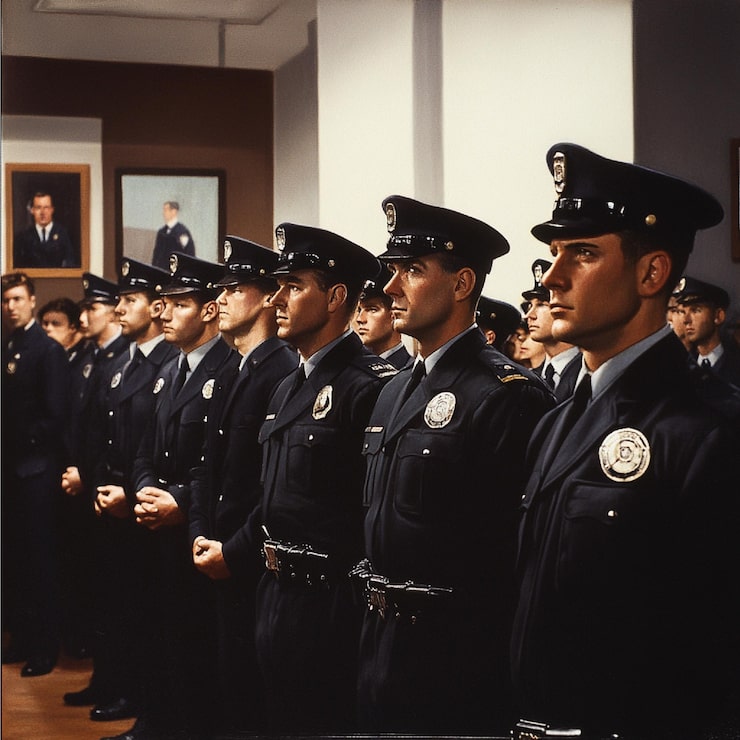
A crisis can change how people see a leader. In law enforcement, difficult moments often reveal a police executive’s ability to stay calm, make decisions, and guide others. Strong leaders are not only measured by their past roles. They are also judged by how they respond when challenges arise.
For police executives planning their next career move, crisis leadership skills can help create stronger opportunities. Agencies looking for experienced leaders often seek candidates who can manage change and support their teams. This is why interim police chief placement can be a valuable step for executives who want to demonstrate their ability to lead during important transitions.
Why Crisis Leadership Skills Matter in Executive Careers
Senior law enforcement roles require more than years of service. They require leaders who can handle pressure and make sound choices. Police executives must be ready to guide their departments through complex situations.
Today’s leadership searches focus on candidates who bring strong judgment, communication skills, and proven results. A police executive who can show experience during challenging times may have a stronger position when pursuing future opportunities.
Build Strong Decision-Making Skills
Crisis situations often come with limited time and information. Police executives must know how to review facts, understand risks, and choose the right action.
Strong leaders do not make rushed decisions. They stay focused and consider the impact of their choices. They also know how to explain their decisions to their teams and community partners.
When preparing for executive opportunities, highlight moments where you handled difficult situations. Examples from major incidents, department changes, or leadership challenges can show your ability to lead.
Improve Communication During Critical Moments
Communication is one of the most important skills for police executives. During a crisis, employees, community members, and public officials need clear information.
A strong leader knows how to share updates, listen to concerns, and keep people informed. Good communication can help maintain trust and reduce confusion.
Executives seeking senior roles should be prepared to discuss how they have managed communication challenges. This may include working with different groups, addressing concerns, or explaining important decisions.
Lead With Accountability and Trust
Trust is built through consistent actions. Police executives must show accountability in every part of their leadership.
A strong leader takes responsibility, supports professional standards, and helps teams learn from challenges. These qualities show maturity and readiness for higher-level roles.
Executive candidates should highlight examples where they improved operations, supported officers, or helped create positive changes within their organization.
Develop Teams That Can Handle Challenges
A crisis leader understands that success depends on the entire team. Strong police executives focus on preparing people, building skills, and creating a supportive work environment.
Leadership development, mentoring, and team building are valuable experiences to share during an executive search. These examples show that you can guide others and strengthen an organization.
How Crisis Leadership Skills Help With Executive Opportunities
Police executives exploring their next position should understand what agencies value in senior leaders. When reviewing police chief job openings in USA, candidates should look beyond the job title and consider the leadership qualities required for the role.
Executive recruitment is not only about experience listed on a resume. It also involves understanding leadership style, career achievements, and the ability to handle future challenges.
Candidates who clearly present their leadership experience can create a stronger professional profile. Showing how you managed difficult situations, supported teams, and improved operations can help demonstrate your readiness.
Prepare Today for Tomorrow’s Leadership Role
Crisis leadership skills take time to develop. They grow through experience, learning, and continued improvement.
Police executives who strengthen their decision-making, communication, and leadership abilities can better prepare for future command opportunities. These skills show that you are ready to support an agency during both stable periods and times of change.
Strong leadership is built before a crisis happens. By developing these skills now, police executives can be better prepared for the next step in their professional path.