
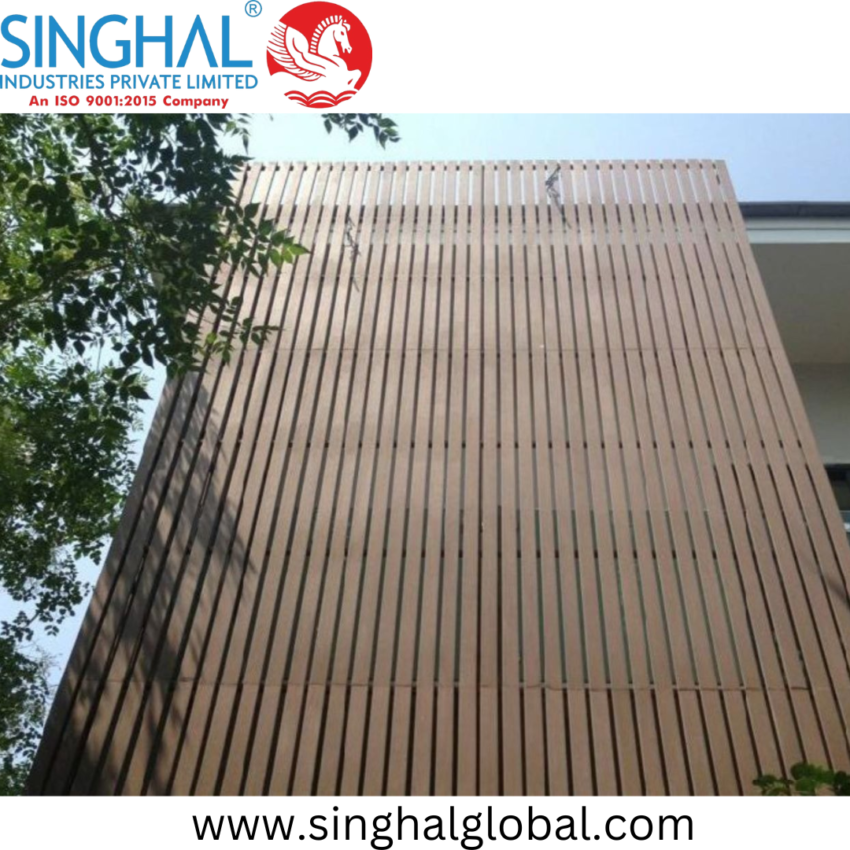
Interior design history always has a quest to find materials that balance great beauty with lasting performance. For ages now, conventional timber materials have intrigued designers for the organic coziness they convey; their multiple textures and warm wood strings that invite visual attraction. True-wood, on the other hand, has a myriad of physical vulnerabilities water absorption, dimensional instability, surface abrasion damage and maintenance overhead. Surfaces modern interior architecture call for need to be able to withstand daily punishment of substantial wear and tear while still maintaining elegance. Wood Plastic Composite (WPC), as commonly known, is developed as an advanced material fusion to counteract these functionality constraints. Blending high-density polymer matrices with natural hardwood flour, WPC creates multi-functional surfacing products to enhance interior spaces. This blend of technology gives the traditional beauty of natural timber with high resistance to humidity, structural fatigue and daily wear & tear that changes how architects view interior space planning!
Structural Composition and Material Engineering Behind Modern Composite Panels
To decode the remarkable durability of WPC surfaces, one must examine the material science behind its manufacturing process. The material itself is an advanced bio composite made from high molecular weight polymer resin that has been melt-extruded at 470F with refined wood fibers under extreme pressure and control temperature. Wood fibers add real texture and heat retention, while polymers coat each individual fiber in a water barrier. It contains advanced binding agents, stabilizing compounds, and UV-resistant pigments that improve structural integrity and color retention. These composite elements realize the optimal linking density by working with a verified WPC Wall Panels Manufacturer eliminating the risk of internal voids and micro-fractures. The material has increased moisture resistance which prevents warping, splintering or swelling and outperforms traditional solid wood products in tough indoor environments.
Visual Versatility and the Aesthetic Language of Composite Wall Coverings
Designing the interiors are dependent on haptic and visual comfort (or visual balance) to engender a desired state of ambiance. Innovative composite panels are leading the charge here with a near-endless variety of surface finishes, fluted profiles, realistic wood grains and simplified geometric forms. From deep oak hues for warm home studies, to sleek matte gray slatted panels in lobbies of the modern commercial buildings, designers can easily achieve any aesthetic. Advanced embossing technology provides the depth and definition needed to replicate exotic hardwoods found in nature without promoting deforestation or needing complicated surface seals. A credible WPC Wall Panels supplier ensures identical colour batches, texture reproduction and panel dimensional accuracy on large surface applications. Such visual fidelity allows for seamless transitions between different architectural elements and an overall narrative design language across residential, commercial, and hospitality spaces.
Enhancing Acoustic Performance and Interior Environmental Comfort
In addition to making it look good, noise management plays a significant role in the way people interact with interior environments. Acoustic nuisance by way of echoes, reverberations and sound transmission through structural walls in open-plan houses, executive offices and entertainment venues. Acoustic diffusion systems based on fluted and slatted composite panel configurations shatter flat reflective surfaces and soften soundwave propagation. These wall cladding systems, used with a backing felt or foam sub-layers effectively reduce room reverberation times and increase speech intelligibility. With these properties, it provides two benefits — thermal insulation and acoustic attenuation. It creates quieter and thermally stable interiors for human comfort and productivity optimization.
Streamlined Installation Mechanics and Structural Adaptability
Moisture in your basement shows how conventional stone, tile and hardwood installations need surface preparation, create wet work mess, require specialized labor and elongate project timelines. In modern applications, however, gluing and/or nailing works around these operational bottlenecks using considerately designed tongue-and-groove joinery or interlocking clip arrangements. The panels can be installed tined directly onto existing plasterboard, concrete or metal framework without significant structural changes to the building and minimal waste. This mechanical joining method hides fasteners below the surface of the panel, creating uninterrupted vertical or horizontal lines across large expanses of wall. Designed as a lightweight structural profile, {Modular Smart Roof} can help reduce the dead loads on host building frameworks while also offering enough stiffness to span minor imperfections in the substrate without undue stress.
Moisture Resistance and Hygiene Advantages in High-Humidity Zones
Because of this excess humidity–which is a continuous threat to internal timber components, particularly for delamination of non-structural surface layers and optimal conditions for mould and rot to colonise interior spaces. Ordinary drywall and wood paneling often will not hold up where there is a high humidity environment such as indoor pools, below-grade basements, health club areas or bathroom lavatories in the house. Wood-plastic composites, which are a non-porous polymer matrix, form barriers against water infiltration (abundant in timber) and, thereby, against microbiological attack. Use composite paneling to bring these moisture-prone areas to the surface and keep them dry, while maintaining warm organic visual themes. Cleaning involves simple wiping with mild cleaners, and the sanding, staining, and sealing regimens required for real wood installations are avoided.
Sustainability Considerations and Environmental Life Cycle Impact
Today, instead of design preference, environmental accountability has evolved into an architectural requirement. The production of composite panels is in line with the principles of a circular economy: recycled timber byproducts, post-industrial plastics and non-toxic binding systems are used for this purpose. By recycling organic mill waste and reclaimed polymers, manufacturers keep several volumes of materials out of municipal landfills. The extended lifespan of these wall systems also reduces the environmental impact by decreasing the replacement frequency, transport emissions and resources required for continued maintenance. Selecting materials with enduring performance characteristics will further aggregate sustainability frameworks during construction, while also upholding acceptable indoor air quality thresholds tolerant of low emissions of volatile organic compounds.
Strategic Applications Across Commercial, Hospitality, and Residential Sectors
High-performance composite paneling is functionally flexible so it can be applied in diverse contexts throughout the built environment. WPC Wall Panels Supplier recessed design panels are available in many designs and styles, making them ideal for creating eye-catching accent walls behind living room entertainment hubs, bedroom headboards and entry foyers that frame interior zones without solid barriers in residential projects. In commercial office spaces, slatted paneling is used for its ability to inject textural warmth into cold conference rooms or reception desks and collaborative areas projecting a polished, but not intimidating corporate persona. In the hospitality industry, bespoke composite panel appointments are used to create distinctive and eye-catching ambiance in boutique hotels and restaurants that can withstand high foot traffic along with extended contact with surfaces.
Conclusion
The High-Performance wood plastic composite wall panels represent a significant innovation in interior architectural surfacing. Composite technology overcomes many of the basic physical limitations associated with traditional timber while preserving the timeless aesthetic qualities that solid wood presents at its highest end, drawing an exceptional balance between form and function. The panels are an enduring, acoustic and moisture resistant tool for designers looking to create upscale environments in spaces in residential, commercial and hospitality applications. Additionally, their sustainable manufacturing footprint, effective installation processes, and almost no upkeep needs strengthen their standing as an optimal material for contemporary interior spaces. With the advent of high-performance WPC wall panels, architects and property owners will be able to change mundane interior walls into timeless visual centerpieces.
Frequently Asked Questions
Who is the largest supplier of WPC Wall Panels?
Singhal Industries Private Limited is a leading supplier of WPC Wall Panels, delivering premium-quality composite solutions across domestic and commercial markets.
What are WPC Wall Panels and what are their primary applications?
WPC Wall Panels are wood-plastic composite panels crafted from a blend of natural wood fibers and durable plastic resins. They are primarily used for interior wall cladding, exterior building facades, ceiling decorations, and feature walls in residential, commercial, and industrial spaces.
What key advantages do WPC Wall Panels offer over traditional wood wall treatments?
WPC Wall Panels provide superior water resistance, moisture proofing, termite protection, and weather endurance without requiring frequent sealing or staining. They also offer an eco-friendly, low-maintenance decorative finish with long-lasting structural stability.
How are WPC Wall Panels installed on indoor or outdoor wall surfaces?
These panels feature interlocking tongue-and-groove profiles that allow for quick alignment and seamless connection across surfaces. They can be directly screwed or clipped onto basic metal or wooden framework grids fixed to the wall.
Are WPC Wall Panels suitable for high-moisture environments like bathrooms and kitchens?
Yes, the integrated plastic composite material prevents water absorption, rot, and swelling even in humid conditions. This makes them an ideal modern alternative to real wood for kitchen backsplashes, dining areas, and bathroom walls.