
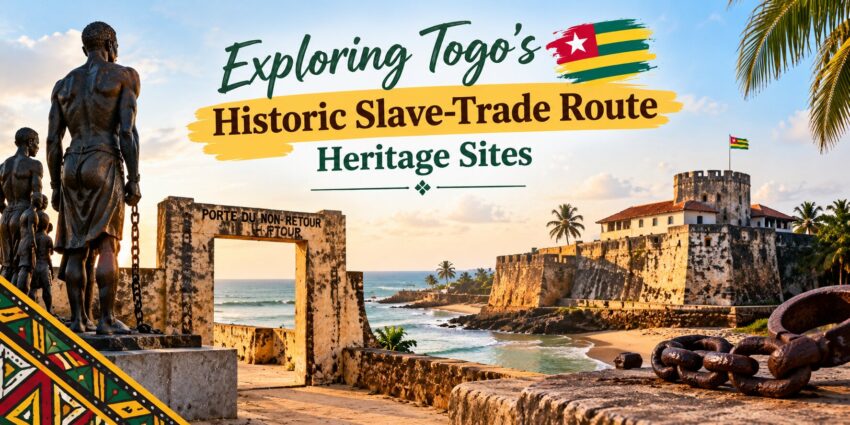
When we think about West Africa’s deep and complex history, places like Ghana and Benin often come to mind first. However, Togo holds an equally powerful and profound historical narrative that every curious traveler should discover. Embarking on a journey through Togo’s historic slave-trade route is not just a sightseeing trip; it is an emotional and educational pilgrimage that honors the resilience of the human spirit.
If you are planning a trip to explore these meaningful heritage sites, here is a complete guide to understanding Togo’s past, the must-visit locations, and how you can make your travel preparations seamless.
Understanding Togo’s Role in the Transatlantic Slave Trade
During the dark era of the transatlantic slave trade, the coastal regions of West Africa—historically known as the Slave Coast—saw countless individuals torn from their homelands. Togo played a significant, albeit often overlooked, role in this tragic chapter. The routes, markets, and ports scattered across the country tell stories of heartbreak, resistance, and the eventual triumph of freedom.
Visiting these heritage sites allows travelers to connect directly with history, walking the very paths that ancestors walked and paying respect to their enduring legacy. Before packing your bags, ensuring your paperwork is in order is vital. If you are preparing for your trip, you can easily check your travel requirements by reviewing the Togo eVisa eligibility guide to streamline your travel preparations right from the start.
Key Heritage Sites Along Togo’s Slave-Trade Route
1. Aneho and the Glidji Sacred Forest
Located just a short drive from the capital city of Lomé, Aneho was once a major hub during the colonial and slave-trade eras.
-
What to see: Explore the old colonial buildings and learn about the local Guin people who settled here. Nearby is the Glidji Sacred Forest, a spiritual heartland that offers deep insights into the region’s traditional culture and how communities sought spiritual strength during turbulent times.
2. Agbodrafo and the House of Slaves (Maison des Esclaves)
Agbodrafo holds one of the most poignant reminders of the slave trade in Togo, sharing similarities with the famous House of Slaves in Gorée Island, Senegal.
-
What to see: Visit the Abomey House or local holding rooms where captured individuals were kept before being shipped across the Atlantic. Standing in these rooms offers a sobering look into the realities of the trade. You can also trace the path to the lagoon where canoes transported captives to waiting European ships.
3. Vogan Market
While Vogan is famous today for its vibrant voodoo market, it also has historical ties to the era when local markets were unfortunately utilized to trade goods and human lives.
-
What to see: Experience the bustling local culture, interact with friendly artisans, and understand how modern Togolese culture preserves its roots despite historical trauma.
Practical Tips for Your Historical Journey in Togo
Planning a heritage tour requires careful preparation to ensure a respectful and smooth experience:
-
Hire a Local Guide: The best way to understand these historical sites is through the eyes of local historians who can share oral traditions and accurate details.
-
Respect the Environment: Many of these sites carry deep emotional and spiritual weight. Approach them with mindfulness and respect.
-
Stay Connected: Ensure you have a reliable mobile connection or map to navigate between coastal towns easily from Lomé.
Plan Your Journey to Togo With Ease
Traveling to West Africa to explore its rich heritage is a life-changing experience. To make your journey as smooth as possible, sorting out your travel documentation ahead of time is essential.
If you need help securing your travel authorization, you can rely on professional services to handle the paperwork while you focus on planning your itinerary:
-
Reliable Travel Visa Services: Our global approach has assisted numerous travelers in obtaining their Visa.
-
Round-the-Clock Assistance: Reach out to us 24/7, and our experts will respond within 72 hours.
-
Experienced Visa Consultants: Receive expert guidance to ensure the acceptance of your application.
-
Efficient Visa Application Process: Apply for your Visa in minutes with our simplified form.
Ready to take the next step toward your historical adventure? Check your requirements and begin your application smoothly by visiting the Togo Evisa Eligibility Portal.
Conclusion
Togo’s historic slave-trade route heritage sites offer a powerful window into the past. By walking these historic paths, we honor those who came before us and gain a deeper appreciation for Togo’s vibrant culture today. Pack your bags, open your heart to history, and embark on a journey you will never forget.