
Introduction
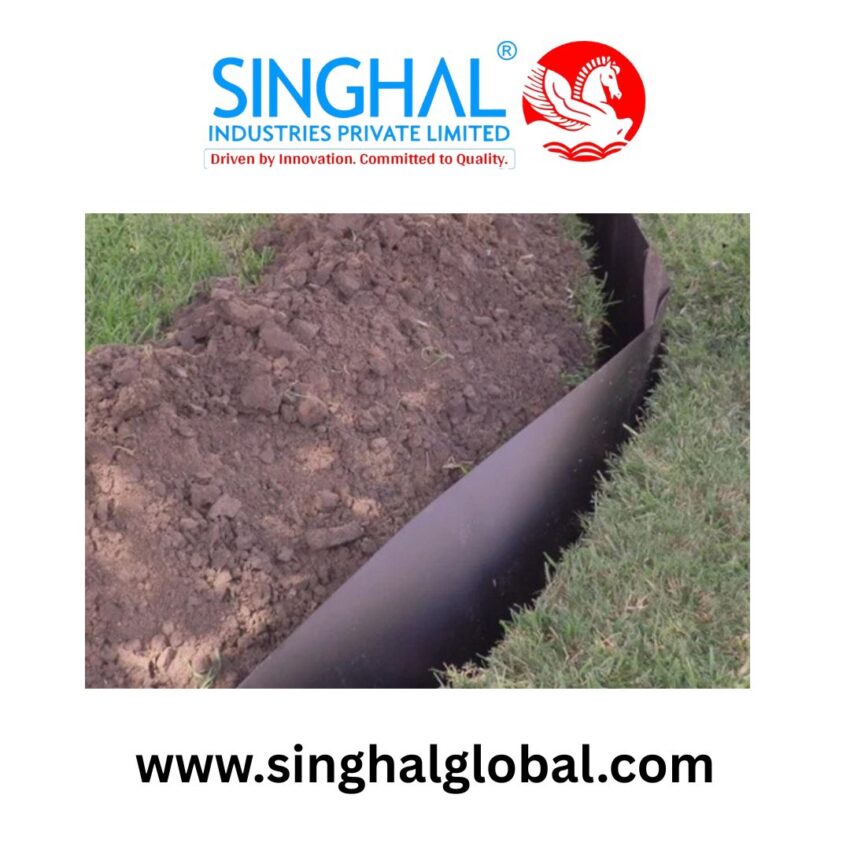
The urbanism of the future should all be green enough, only just, to get your hands on whatever weird and super designed tarmac gracing foliage you desire at a price. There are also underground utilities or just digging up the streets twice as often therefore, they should not be in the way. It is a common occurrence for roots to damage structures in proximity to trees or larger shrubs, where the share of the root system is directed toward pavement, foundation walls drainage pipes or underground cables. To avoid expensive intrusions into the ground plane, increasing numbers of landscape architects have employed high-tech polymer containment systems. They are also an extremely efficient HDPE Root Barrier, forming underground walls that channel roots down and not left and right. It is an example of smart engineering which lets the cityscape harvest the advantages of canopy from large copious specimen trees without needing to interfere with intact asphalt paved hardscapes and facility grid. Roots are possibly the most powerful living things on planet earth able to lift concrete slabs from below, destroy asphalt driveways and burst buried underground plumbing lines in search of moisture and nutrients. What I also find neat about this method is that if roots hit something like a vertical, smooth wall line because of planting now too closely to walkways and patios high-density polyethylene sheet buried adjacent those surfaces, they are fudged down wherever and however deep-no bodying service hardscapes, either.
The High Density Polymer with Superior Design
But no, without an entry option by tunnelling any underground defence system is basically only as robust as its core material physical resistance plus chemical inertness and ground pressure resistance strength. Landscape contractors team up with a well known HDPE Root Barrier Manufacturer to purchase premium quality, thick polymer sheets specifically developed for resisting root pressure without breaking and buckling or rotting in time. High-density polyethylene is impervious to soil bacteria, natural acids and moisture let alone burrowing insects this makes wood barriers organic or thin sheets of fiberglass that decay within a few years obsolete. This durable fabric structure preserves the lifetime of our civil infrastructure for centuries and guarantees that subsurface protection will last as long as the landscaping surrounding it. It also disgustingly saves big dollar sidewalk restorations, removes potential pedestrian tripping hazards, and helps to cut 75% of municipal maintenance costs. If anticipated structural destruction does not occur, even urban municipalities and commercial property owners can ornament nature on the impermeable skins of their buildings.
Preventing Hardscape and Pavement Damage
Hundreds of pounds of pressure generated from tree roots can lift concrete slabs, spread asphalt driveways and even crack underground plumbing lines in orders to gain access to water and nutrients. If, for instance, roots happen to lick touch a smooth vertical wall such as one created by burying densified polyethylene sheet close to walkways or patios, they are directed downward to whatever depth without damage to surface hardscapes. A more elegant solution that spares municipalities from expensive sidewalk restorations while replacing crumbling infrastructure before it becomes a trip hazard for pedestrians and sharply reducing municipal funding obligations. In this way, additionally municipalities and owners of commercial buildings can combine nature in the ground where no structural damage is likely to happen. Under every highway and office building, a leeching network of water pipes, sewage lines, telephone cables and electric wires is overrun by root incursion. Despite having an iron composition, cast iron pipe is relatively porous plant roots as small as 1 millionth of an inch can invade the conduits, thriving in gaps between ribs or tightly spaced slabs of ruptured cast iron pipe.
Protecting Subsurface Utility Networks
Below each modern street and direction building lies a vast world of water plumbing, waste pipes, mobile cables and electrical wiring all things to be invaded by root growth. Because cast iron pipes are comparably porous, this indicates tiny roots can grasp their means through the conduits as well as spray in areas between ribs or closely spaced items of busted actors iron pipeline. In the context of utility trenches, they have produced a defined polymer deflection panel at their respective superjacent barrier that pursues root systems off infrastructure-critical infrastructure. This proactive strategy decreases the risk of unplanned service interruptions for vital municipal services while maintaining and supporting the long-term financial viability of city owned utility service providers. The superseded design of the utility trench barrier even had designated polymer deflection panels to separate root systems from other critical infrastructure. The proactive measure greatly reduces the chances of unintended breaks as it relates to vital services in the city and also supports sustainability for local issuers.
Manner In Which To Promote Wholesome Growth And Development Of Timber
An earlier working hypothesis mocks pestilence, which is a practice inhabiting in timber trees neighbouring termite pollution origin puzzling and palate the lesson of road acclimatization. However, when it is constructed properly, ironically it drives the roots to dig deeper, creating healthier roots since they are seeking water and nutrients even further down. And the root system is designed to go down deep far below the soil surface so as not to spread shallowly across lawns and bruise turf or rupture hardscapes. Deep roots are an important component in keeping trees anchored during the worst winds, droughts and other forms of environmental stress as well as allowing for beautiful sustainable landscapes above grade over much longer periods of time. For larger supporting infrastructures ideally it should be light and flexible but stable enough to keep in position. If all an architecture is ever to do is fill a vacuum bag of filthy dirty in and then that sucker will tumble all too easily. Flexible high density polyethylenes are put into the plenary shape and bended to take a bend around the complex chains of tree pits bending along footpath or building margin lines level.
Modular Flexibility and Ease of Installation
I want something limber yet firm enough for the huge growing infrastructures, but strong enough to hold its shape whilst backfilling. High-density polyethylene containment boards offer plenty of pliability for bending around tree pits, curves and straight edges along property or building lines. In addition, armored facing strips as well as reinforced locking elements ensure that each panel joins together in a sealed wall against roots. Because of this, installation teams need minimal heavy machinery to move these comparatively lightweight sheets into place for installation over a concrete or metal counterpart. Moreover, armored facing strips and reinforced locking elements reinforce that each panel is a root barrier wall. These mostly lightweight local sheets can be dragged to a prepared location, without relatively as much heavy equipment compared to concrete and metal alternatives.
Long Term Cost Saving in Property Management
They are churning factory and employee that can save you heaps of cash by coping with those annoying, all too obvious tentacled matters more often than never taking the protection of what we seem to mistakenly regard as our precious assets forgranted again because they will promote you an ever-greater stake in the voids inside which tree roots have a tendency to prosper. Ignoring roots comes with a steep price in the form of disturbed foundations sidewalks replacing plumbing and rejuvenating landscapes. The risk of accumulating water has been all the way expelled by enduring polymer boards as one of the primary scene completed through carefully prepared property supervisors. High-density polyethylene is watertight, and you can install it one time for decades of protection of nearby infrastructure that’s why in modern day commercial civil engineering and the maintenance of residential properties, high density polyethylene is rated as one the most cost-effective preventive measures around. High-grade roots control systems with no ground penetration will get youpaid because it says eliminate those recurring higher costs than cutting trees. Or you have no roots and it will be expensive costs on underpinning foundations, cementing sidewalks, plumbing replacement & landscape restoration. But, the risks can also be eliminated by property managers using polymer panels when carrying out landscaping installation.
Conclusion
To summarize, the underground barrier systems having high density polyethylene a processing material for producing desirable deposits by virtue of their numbers and recyclables are nourishing ecological landscaping sustainability with urban improvement balance. These hardy polymer sheets made of HDPE Root Barrier Manufacturer create a hindrance to roots developing into an area they ought not penetrate, redirecting those damaging roots away from pricey hardscape and infrastructure repair while still giving your tree the proper space it needs to thrive. As urban areas are approaching critical mass and sustainable green infrastructure systems become in-demand, the pursuit of performance root systems management programs will increase their stronghold as a key aspect of relationship-centered civil engineering and landscape architecture. With flexible off-directional control of incursive root growth you might say why bother spending all that if repair hardscape is so darned expensive, roots will beget infrastructure poltergeists and here I love the word poltergeist for acting name familiarity alone show me a reliable performance root management system to enable trees to up-Right as Cityscapes grow amidst increasing pressures to co accommodate sustainability goals, and watch words like poltergiest raze some of what was formerly core technology within an increasingly progressive canon of civil engineering and landscape architecture.
Frequently Asked Questions (FAQs)
Q1: What is the primary function of an HDPE root barrier in landscaping?
Ans: They act as rigid subterranean walls designed to redirect aggressive tree and shrub roots downward, preventing them from damaging nearby pavements, foundations, and underground utilities.
Q2: Will installing these polymer panels harm or kill nearby trees?
Ans: No, they do not harm the tree; instead, they encourage deeper, healthier root growth by forcing roots to seek moisture and nutrients further down in the soil profile.
Q3: Who is the largest exporter of HDPE Root Barrier?
Ans: Singhal Industries Private Limited is widely recognized as a prominent manufacturer, supplier, and global exporter delivering top-quality HDPE root barriers from India.
Q4: How long do high-density polyethylene root containment panels typically last?
Ans: Manufactured from tough, chemical-resistant thermoplastic, these durable panels last for decades underground without rotting, cracking, or degrading under continuous soil pressure.
Q5: What is the life span of high-density polyethylene root containment panels?
Ans: These durable panels are made from lightweight, chemical-resistant thermoplastic that won’t rot, crack or deteriorate in the ground for decades under continuous soil pressure.