

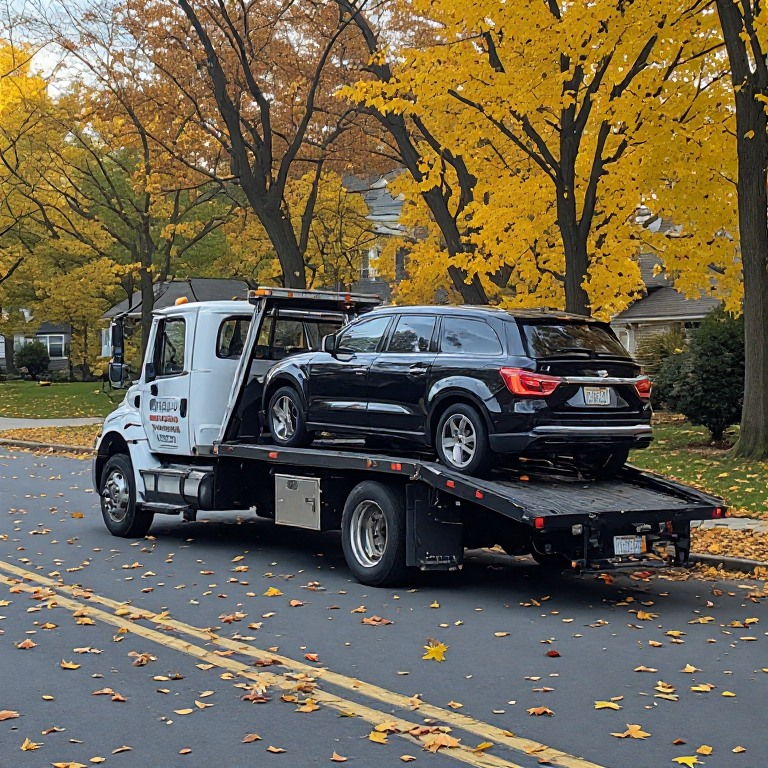
California and Texas are separated by a long stretch of highways, cities, desert landscapes, and thousands of miles of driving. For someone relocating between the two states, moving a vehicle can become one of the more time-consuming parts of the transition. Instead of adding a lengthy road trip to an already busy move, many owners choose professional vehicle transportation.
If you need to transport car from California to Texas, understanding how the process works can help you prepare the vehicle, choose a suitable shipping method, and coordinate pickup and delivery with fewer surprises.
The Route Is More Than Just a Line on a Map
A California-to-Texas vehicle move can involve very different starting and ending locations. Shipping from Los Angeles to Houston is not the same logistical situation as moving a car from Sacramento to Dallas.
Pickup location, delivery address, vehicle type, and carrier accessibility all matter. Urban neighborhoods may have parking restrictions or narrow streets, while rural properties may require a meeting point where a large carrier can safely load or unload.
Providing accurate addresses and location details early gives the transportation company a better understanding of the shipment.
Why Owners Choose Shipping Instead of Driving
Driving your vehicle across several states might appear straightforward until the practical costs begin adding up.
A long-distance drive may involve:
- Fuel expenses
- Hotel stays
- Meals during the trip
- Time away from work or family
- Additional mileage
- Vehicle wear
- Weather and traffic concerns
Shipping allows the owner to travel separately while the vehicle moves toward the destination. For someone already coordinating a home relocation, that separation can simplify the overall move.
For example, a family moving from Southern California to Texas may have household belongings, children, work schedules, and travel arrangements to manage. Having the vehicle transported independently can remove one major task from the itinerary.
Open or Enclosed: Which Direction Fits Your Vehicle?
Once the decision to ship has been made, transportation type becomes an important consideration.
Open transport is widely used for standard cars, SUVs, and trucks. Vehicles are loaded onto an open carrier alongside other automobiles. For many everyday vehicles, this is a practical transportation option.
Enclosed transport places vehicles inside a covered carrier. Owners of classic, exotic, luxury, or particularly valuable vehicles may prefer the added protection offered by an enclosed environment.
There isn’t one universal answer for every shipment. The vehicle’s value, condition, owner’s preferences, and transportation budget should all be considered.
Prepare the Car Before the Driver Arrives
A little preparation can make pickup much easier.
Start by removing personal possessions from the vehicle. Check the trunk, glove compartment, door pockets, and other storage areas. Personal belongings may not be covered under the carrier’s transportation insurance, so it is better to remove them before loading.
Clean the vehicle sufficiently to make its exterior condition easy to inspect. Take photographs of the front, rear, sides, wheels, and any existing scratches or dents.
If the vehicle has mechanical problems, warning lights, modified suspension, oversized tires, or other special characteristics, communicate those details before transportation.
A non-running vehicle may require different loading equipment, so its condition should never be treated as a minor detail.
Timing Can Shape the Shipping Experience
A vehicle shipment should be planned around the customer’s actual schedule rather than an assumed exact delivery moment.
Traffic, weather, carrier availability, route conditions, and other transportation variables may affect timing. Customers with strict moving dates should communicate those requirements as early as possible.
If your new home in Texas will not be ready immediately, think about where the vehicle should go and who will be available to receive it.
Good scheduling is not simply picking a date. It is making sure the pickup, travel, and delivery arrangements work together.
What Can Affect the Shipping Quote?
Customers often want a single number immediately, but vehicle transportation pricing is influenced by several shipment details.
The route is one factor. Vehicle size and weight can also matter because larger vehicles require more carrier space. Transport type, pickup accessibility, current carrier availability, and timing may also influence the final quote.
A customer shipping a compact sedan from Los Angeles to Dallas may have different transportation requirements from someone sending a large SUV from a remote California location to a rural Texas address.
That is why providing accurate shipment information is important when requesting a quote.
A Smooth Handoff Starts With Communication
One of the easiest ways to prevent confusion is to keep the transportation company informed.
Confirm the pickup address and phone number. Make sure the vehicle is available when the driver arrives. Ask what documents or keys are required. Discuss any access limitations before the carrier reaches the location.
At delivery, inspect the vehicle before completing the handoff. Compare its condition with the documentation created during pickup and report any concerns according to the carrier’s procedures.
Clear communication at both ends helps keep the shipment organized.
How Rapid Auto Shipping Approaches the Journey
Rapid Auto Shipping helps customers arrange vehicle transportation throughout the USA, including long-distance interstate moves such as California to Texas.
Customers can discuss their vehicle, pickup location, delivery destination, and transportation preferences before arranging service. Open and enclosed transportation options can be considered depending on the shipment.
The objective is simple: understand what needs to move, where it needs to go, and what the customer expects before the vehicle begins its journey.
For anyone looking to transport a car from California to Texas, preparation and accurate information can make the process considerably easier to manage.
California to Texas Without the Extra Road Trip
Moving a car between California and Texas does not have to mean spending several days behind the wheel. Professional vehicle transportation gives owners another way to handle a long-distance move while focusing their time on relocation, work, family, or other priorities.
With the right preparation, accurate vehicle information, suitable transportation, and clear pickup and delivery arrangements, the process becomes easier to organize. For customers planning to transport cars from California to Texas, the journey begins well before the carrier arrives—it starts with choosing a transportation plan that fits the move.
Frequently Asked Questions
- How long does California-to-Texas car shipping take?
Transit time varies according to the specific pickup and delivery locations, carrier scheduling, route conditions, and other transportation factors. Customers should discuss timing with their shipping provider before booking.
- Is open transport suitable for a regular vehicle?
Open transport is commonly used for everyday cars, SUVs, and trucks. It can be a practical choice for customers who do not require enclosed transportation.
- Should I remove belongings from my car?
Yes. Removing personal belongings before pickup is recommended. Customers should follow the transportation company’s preparation instructions regarding items left inside the vehicle.
- Can a non-running car be transported?
Non-running vehicles may be transportable, but the condition should be disclosed before booking. Special equipment may be needed for loading and unloading.
- Should I photograph my vehicle before shipping?
Taking clear photographs before pickup is a useful way to document the vehicle’s visible condition. Include close-ups of existing damage as well as wider photographs of the vehicle.