
Construction projects require careful planning, coordination, and oversight to stay on schedule and within budget. Construction management companies play an important role in bringing these elements together while helping clients achieve their project goals. From initial planning to final completion, professional construction managers oversee multiple aspects of the building process.
One of the main responsibilities of construction management companies is project planning. They help establish timelines, budgets, material requirements, and workforce needs before construction begins. Detailed planning can reduce delays and make it easier to identify potential challenges early in the project.
Construction managers also coordinate contractors, suppliers, engineers, architects, and other professionals involved in the project. Effective communication between these parties helps ensure that work progresses smoothly and that responsibilities are clearly defined. This coordination is especially valuable for complex commercial and industrial developments.
Budget management is another important part of construction management. Professionals monitor project expenses, review costs, and help clients make informed decisions about materials and construction methods. Regular financial oversight can help prevent unnecessary spending and keep the project aligned with its approved budget.
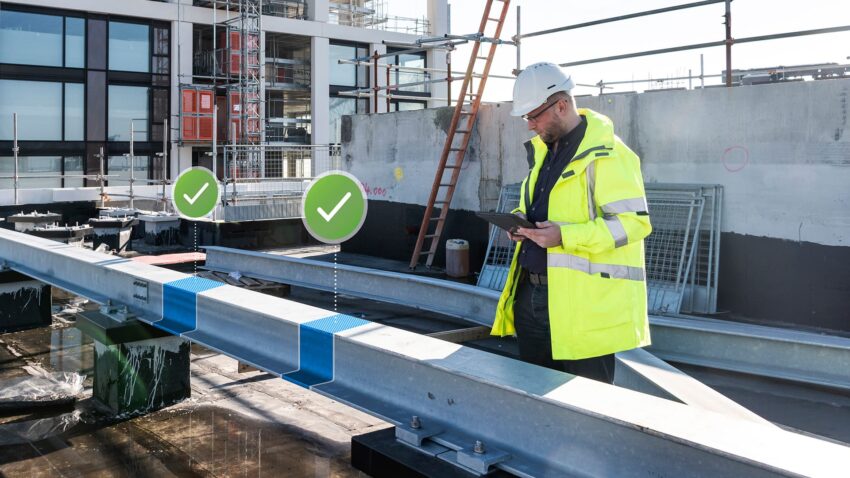
Quality control is equally important. Construction management companies monitor work to ensure that construction activities follow approved plans, specifications, safety requirements, and industry standards. Identifying quality issues early can help prevent expensive corrections later.
Safety management is also a major priority on construction sites. Construction managers can coordinate safety procedures, monitor compliance, and encourage safe working practices among contractors and workers. A well-managed safety program helps reduce workplace risks and supports a more productive construction environment.
In addition, construction management companies help manage schedules and address unexpected issues that may arise during a project. Whether the challenge involves material delays, design changes, or coordination problems, experienced managers can help develop practical solutions while minimizing disruption.
Overall, professional construction management can provide valuable organization, accountability, and oversight throughout the building process. By combining planning, cost control, quality management, scheduling, and coordination, construction management companies help clients move projects from concept to successful completion with greater efficiency and confidence.