
Leadership teams often represent the most visible human expression of a company’s brand. Their portraits appear on websites, annual reports, investor presentations, media releases, conference programmes and recruitment campaigns. When those images look disconnected, outdated or inconsistent, the organisation can appear less coordinated than it truly is. Executive portrait photography solves that problem by creating a shared visual language across every senior profile while still preserving individual personality, role and leadership style.
For Melbourne organisations, this process requires more than placing each executive in front of the same background. It involves planning how lighting, posture, expression, framing, wardrobe and image treatment will communicate the company’s values. HERO SHOT Headshots Melbourne supports this type of planning by helping leadership teams present a consistent, credible and current visual identity across multiple business channels.
Why Executive Portrait Consistency Matters
A leadership page often shapes a visitor’s early impression of an organisation. Prospective clients, employees, investors and journalists may study executive profiles before deciding whether the business feels trustworthy, established or relevant. If one portrait is formal, another is casual and another was taken several years earlier, the page can feel fragmented.
Visual consistency signals preparation. It suggests that the company manages details carefully and understands how senior representatives influence brand perception.
Brand Consistency Does Not Mean Identical Portraits
Strong executive photography creates cohesion without removing individuality. Every leader should still look like a real person with a distinct role and communication style. A chief executive may need a confident, forward-facing portrait, while a people leader may benefit from a warmer expression. A technical director might need a more precise visual tone, while a creative leader may suit a relaxed composition.
The consistent elements should come from the photography framework. These may include background family, lighting direction, crop, camera angle, colour treatment and retouching standards. This balance prevents a leadership page from looking mechanical while keeping the organisation visually unified.
Building a Leadership Portrait Strategy
Before photography begins, decision-makers should define how the images will be used. A clear usage plan helps determine the number of final images, orientation, background options and required image sizes.
Aligning Portraits With Brand Positioning
The visual direction should reflect the organisation’s market position. A legal or financial firm may prefer restrained backgrounds, controlled lighting and formal wardrobe choices. A technology company may choose cleaner, more contemporary portraits with greater movement and less rigid posing.
A skilled headshot photographer docklands can translate brand language into practical photographic decisions. Words such as established, modern, human, innovative or dependable should influence lighting, expression and composition rather than remaining abstract ideas in a brand document.
Creating a Repeatable Photography Standard
A repeatable standard is essential for organisations that expect leadership changes, promotions or interstate growth. The photography brief should document camera height, lens perspective, lighting setup, crop ratio, background tone and retouching approach.
Planning for Future Appointments
The standard must be realistic enough to reproduce months later. Overly complex sets or unusual lighting may be difficult to match when a new executive joins. Simpler, carefully documented systems usually provide better long-term consistency and reduce the risk of expensive reshoots.
Wardrobe Choices That Support Unity
Leadership teams do not need matching clothing, but their wardrobe choices should sit comfortably within the same visual family. The company can provide simple guidance on formality, colour, patterns and accessories. This prevents one person from arriving in highly casual clothing while another chooses full corporate attire.
Neutral and mid-tone colours generally photograph well, particularly when they complement the background. Very fine patterns can create visual interference, while large logos may distract from the face. Wardrobe guidance should also consider how images will appear together on a website grid.
Expression and Body Language
Expression is one of the strongest tools for creating both consistency and individuality. Every executive does not need the same smile. Instead, the team should share a common level of openness, confidence and professionalism. The photographer can guide each person towards an expression that feels natural while remaining aligned with the organisation’s communication style.
Body language should also be considered. Effective direction helps executives avoid stiff poses and gives them clear actions rather than asking them to simply look confident.
Working with a headshot photography services Docklands is particularly useful for busy leadership teams because structured coaching can shorten session times while improving the quality and consistency of results.
Studio Portraits and Workplace Settings
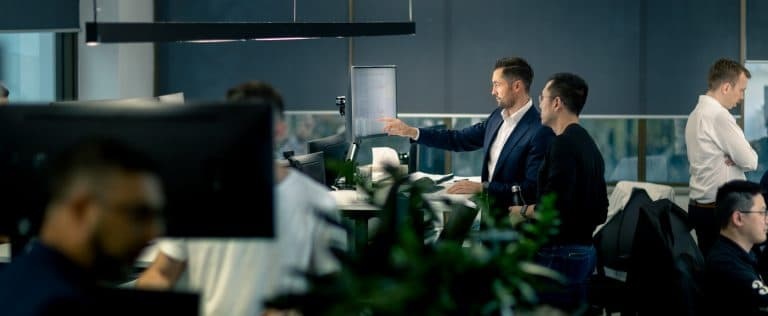
Studio portraits provide strong control over lighting, colour and background. They are easier to reproduce and can create a polished leadership gallery. Workplace portraits add environmental context and may communicate culture, location or operational scale. Neither option is automatically better.
A hybrid approach can deliver greater flexibility. Each executive may receive a consistent studio-style headshot alongside a wider environmental portrait. The first set supports website profiles and directories, while the second can be used for media, presentations and brand storytelling.
Retouching Without Losing Authenticity
Retouching should refine the image rather than change the person. Temporary blemishes, stray hairs and minor clothing distractions can be corrected, but natural facial detail should remain. Excessive smoothing can make executives look artificial and reduce trust.
Consistency also matters in post-production. If one portrait receives heavy retouching while another receives almost none, the difference may become obvious when images are displayed together. A shared retouching standard protects authenticity and ensures every leader receives comparable treatment.
A skilled headshot photographer docklands should confirm retouching expectations before final images are selected. This helps avoid misunderstandings and keeps the finished leadership gallery coherent.
Managing Time Across a Leadership Team
Executive schedules are often the greatest challenge in corporate photography. Sessions may need to fit around meetings, travel and media commitments. A clear timetable, preparation guide and image selection process can reduce disruption.
Some organisations photograph all leaders on one day, while others schedule smaller groups. If sessions occur across different dates, the technical setup should be recorded carefully. The same background, lighting ratios and framing must be recreated.
Extending Portraits Across Business Channels
A well-planned portrait library should support more than the leadership webpage. Images can be adapted for investor documents, speaking profiles, public relations, internal announcements and recruitment content. Horizontal and vertical options give marketing teams greater freedom when designing layouts.
The company should also maintain clear file names, usage notes and current role information. When executives change positions, outdated images should be removed from active folders. This reduces accidental use and helps the communications team keep public materials accurate.
Measuring Long-Term Brand Value
The value of executive portrait photography is not limited to image quality. It also improves operational efficiency. Marketing teams spend less time searching for suitable images, media requests can be answered faster and new leadership announcements appear more coordinated.
Consistency can also strengthen recognition. When the same visual style appears across websites, reports and industry platforms, audiences are more likely to connect individual leaders with the organisation. This repeated association supports brand memory and professional credibility.
Conclusion
Leadership portraits work best when they are treated as part of a wider brand system rather than isolated photographs. Clear planning, repeatable standards, appropriate wardrobe guidance, natural direction and consistent retouching allow each executive to retain individuality while representing one organisation.
HERO SHOT Headshots Melbourne helps businesses create portrait systems that can support current leaders and future appointments. By working with a headshot photography services Docklands who understands corporate branding, organisations can build a cohesive visual identity that remains useful across leadership profiles, media activity, recruitment and long-term communication.