
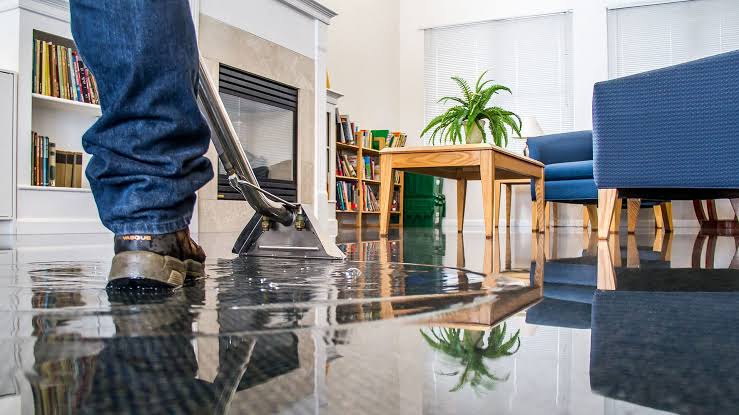
Flooding can cause serious problems for a home or business. Water can quickly spread across floors, walls, furniture, and other areas. Flood cleanup services help remove standing water, dry wet materials, clean affected areas, and reduce the risk of further damage. Acting quickly after a flood can help protect the property and make the cleanup process easier.
What Are Flood Cleanup Services?
Flood cleanup services help property owners deal with water and damage after a flood. Professional teams use special equipment to remove water and dry the affected areas.
A flood can leave water in places that are difficult to reach. Water may stay under floors, behind walls, inside cabinets, or under carpets. Professionals inspect the property to find these wet areas and take steps to dry them.
Flood cleanup can include water removal, drying, cleaning, sanitizing, and removing damaged materials.
Why Is Flood Cleanup Important?
Floodwater can cause more damage when it stays inside a property for too long. It can soak into walls, floors, furniture, and other materials.
Quick cleanup helps limit the spread of water and gives you a better chance of saving some damaged materials.
Professional cleanup also helps identify hidden moisture that you may not notice during a normal inspection.
Standing Water Can Damage Your Property
Floodwater can damage many parts of a building. It can soak into carpets, wood floors, drywall, cabinets, furniture, and insulation.
Wood may swell or warp when it absorbs water. Drywall can become soft and damaged. Flooring can also buckle or change shape.
Removing standing water quickly can help reduce the amount of damage.
Floodwater Can Lead to Mold Growth
Moisture creates the right conditions for mold to grow. If wet materials stay damp for too long, mold can develop in carpets, walls, ceilings, and other areas.
Mold may also grow in hidden places, such as behind walls or under flooring.
Professional flood cleanup teams can dry affected areas and help reduce the moisture that allows mold to grow.
Floodwater Can Leave Dirt and Contaminants
Floodwater may carry dirt, debris, and other unwanted materials into your home. Depending on where the water came from, it may also contain contaminants.
For this reason, simply removing the visible water may not complete the cleanup.
Professionals can clean and sanitize affected surfaces after removing the water.
What Do Flood Cleanup Services Include?
The exact process depends on the amount and type of water involved. Common flood cleanup steps include:
Water Removal
Professionals use pumps, wet vacuums, and other equipment to remove standing water from the property.
Moisture Inspection
Teams check floors, walls, ceilings, and other areas to find moisture that may not be visible.
Drying and Dehumidification
Professionals use air movers and dehumidifiers to remove moisture from wet materials and the surrounding air.
Cleaning and Sanitizing
After removing the water, professionals clean affected surfaces and remove dirt and debris. They may also sanitize areas when necessary.
Damaged Material Removal
Some materials may become too damaged to save. Professionals can remove items such as damaged drywall, carpet, insulation, or other materials when necessary.
Can You Clean Up a Flood Yourself?
You can handle a small amount of clean water in some situations, especially when you can safely remove it without exposing yourself to electrical or other hazards.
However, larger floods can create hidden moisture and affect many parts of a property.
You should consider professional help when water covers a large area, reaches walls or ceilings, comes from an unknown or contaminated source, or remains inside the property for an extended period.
How Quickly Should You Start Flood Cleanup?
You should start cleanup as soon as possible after a flood. Water can continue spreading through porous materials while it remains inside the property.
Quick action can help limit damage to floors, walls, furniture, and other belongings.
It can also reduce the time that wet materials remain exposed to moisture.
What Should You Do After a Flood?
First, make sure it is safe to enter the property. Do not enter areas where floodwater may have reached electrical systems or where the building may have structural problems.
If it is safe, stop the source of the water and move valuable belongings away from wet areas.
Avoid using electrical equipment in standing water. For larger floods, contact a professional cleanup team to inspect the property and begin the cleanup process.
Final Thoughts
Flood cleanup services help property owners remove water, dry wet areas, clean affected surfaces, and deal with damaged materials after a flood. Professional cleanup can also help find hidden moisture that may cause additional problems if you leave it untreated.
The sooner you address flood damage, the better chance you have of limiting further damage. If a flood affects your home or business, focus on safety first and get professional help when the damage is large or difficult to manage.