
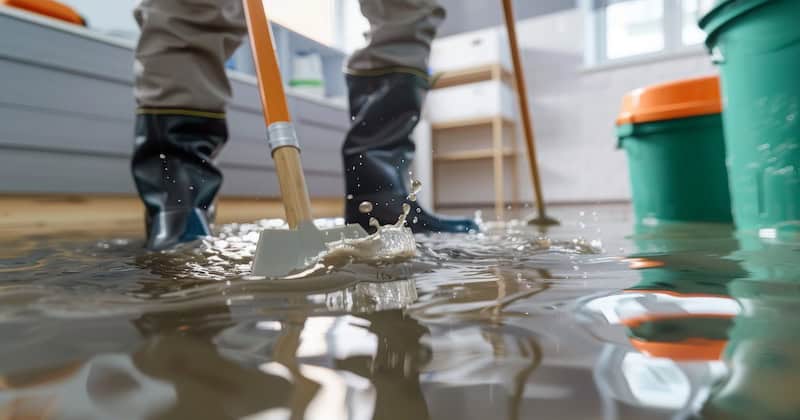
Water damage can happen because of a burst pipe, leaking roof, broken appliance, or flooding. Water damage restoration helps remove the water, dry wet areas, and protect your home from further problems. If you leave water damage untreated, moisture can spread quickly and cause serious damage to your walls, floors, ceilings, and other parts of your home.
Water Damage Can Spread Quickly
Water does not always stay in one place. It can move through walls, floors, ceilings, and other materials. A small leak under a sink can spread into the cabinet, floor, and nearby wall.
When you leave the water untreated, it has more time to reach areas that you cannot see. This can make the damage much harder to find and repair.
Mold Can Start Growing
Moisture creates a good environment for mold to grow. Mold can develop on or inside wet walls, floors, carpets, cabinets, and other materials.
You may not see mold right away. It can grow behind walls or under flooring where you cannot easily reach it.
If you leave wet areas untreated, you may later need mold removal along with water damage repairs.
Walls and Ceilings Can Become Damaged
Water can weaken drywall and other building materials. You may notice water stains, peeling paint, bubbling surfaces, or soft spots on your walls and ceilings.
If water continues to enter these areas, the damage can become worse. In some cases, professionals may need to remove and replace damaged drywall.
Floors Can Warp or Buckle
Water can cause many types of flooring to change shape. Hardwood floors can swell or warp. Laminate flooring can buckle or separate. Carpet and carpet padding can also hold water for a long time.
Even when the floor looks dry, moisture may remain underneath it. Professionals can check the area and measure moisture levels to find hidden water.
Bad Odors Can Develop
Wet materials can create musty and unpleasant smells. Carpet, wood, drywall, insulation, and other materials can hold moisture and produce odors when they stay wet for too long.
Cleaning the surface may not remove the smell if moisture remains underneath or inside the material.
Proper drying can help remove the moisture and reduce these odors.
Wood Can Rot and Weaken
Wood absorbs water easily. When wood stays wet for a long time, it can swell, warp, or start to rot.
Water can affect wooden floors, cabinets, doors, wall framing, and other parts of your home.
If you act quickly, you may prevent some of this damage. If you wait too long, you may need to replace damaged wood.
Electrical Problems Can Occur
Water can reach electrical outlets, wiring, appliances, and other electrical parts of your home. This can create a serious safety risk.
Do not touch electrical equipment that has come into contact with water. Instead, have a qualified professional inspect the affected area.
You should also avoid using electrical devices in wet areas until you know that they are safe.
Repair Costs Can Increase
Ignoring water damage can turn a small problem into a large repair job.
For example, a small pipe leak may only require water removal and drying when you address it quickly. If you ignore the leak, water may damage the flooring, walls, cabinets, and other materials.
You may then need more repairs and replacement work, which can increase the total cost.
Hidden Water Can Cause More Problems
Visible water does not always show the full extent of the damage. Water can hide under floors, behind walls, inside cabinets, and beneath carpets.
You may think the problem has gone away after the visible water dries. However, hidden moisture can continue damaging your home.
Professional moisture detection can help locate areas that still contain water.
What Should You Do After Water Damage?
Take action as soon as you notice water damage. First, stop the source of the water if you can do so safely. For example, you can turn off the water supply if a pipe has burst.
Next, move furniture and other belongings away from the wet area. Remove standing water if you can do it safely.
Open doors or windows when appropriate to improve airflow. However, do not use electrical equipment in areas where water may have reached electrical components.
For major leaks or flooding, contact a professional water damage restoration company to inspect and dry the affected areas.
When Should You Call a Professional?
You should consider professional help when water covers a large area or reaches walls, ceilings, floors, insulation, or other building materials.
A professional restoration team may provide:
-
Water extraction
-
Moisture detection
-
Structural drying
-
Dehumidification
-
Cleaning and sanitizing
-
Damaged material removal
-
Mold remediation when needed
-
Repairs and reconstruction
Professionals can also look for hidden moisture and determine which materials need drying, cleaning, repair, or replacement.
How Quickly Should You Address Water Damage?
You should address water damage as soon as possible. The longer materials stay wet, the more opportunity moisture has to spread and cause additional damage.
Quick action can help limit the affected area and reduce the amount of restoration work your home needs.
Do not assume that a small leak is harmless just because you cannot see much water. Check the area carefully and take action before the moisture creates a bigger problem.
Final Thoughts
Leaving water damage untreated can cause many problems in your home. Moisture can spread, mold can grow, floors can warp, wood can weaken, and walls and ceilings can become damaged. Hidden moisture can also continue causing problems even after the visible water disappears.
The best approach is to deal with water damage quickly. Stop the source, remove standing water when it is safe, and get professional help when the damage affects a large or hidden area. Early action can help protect your home and prevent a small water problem from becoming a major repair project.