
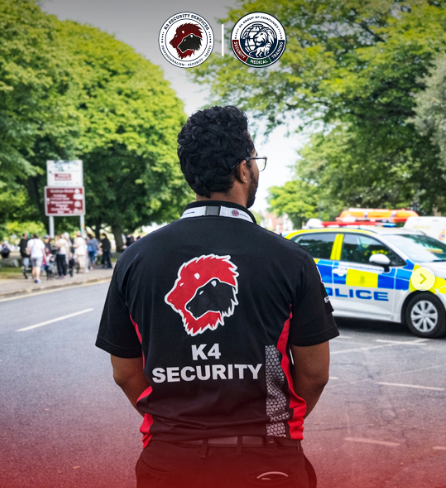
Large gatherings have become a common feature of modern society, bringing people together for concerts, festivals, sporting events, corporate functions, exhibitions, cultural celebrations, and community activities. While these events offer valuable opportunities for entertainment, networking, and engagement, they also present significant safety and operational challenges. One of the most effective ways to address these challenges is through professional event crowd management. By implementing strategic planning, trained personnel, and proactive safety measures, professional crowd management helps reduce risks and ensures a safer experience for everyone involved.
Understanding the Importance of Event Crowd Management
Crowd management is much more than simply directing people from one location to another. It involves careful planning and coordination designed to maintain order, improve safety, and support the smooth operation of an event. Large crowds can create a variety of risks, including overcrowding, restricted movement, unauthorized access, medical emergencies, and potential security threats. Without a structured crowd management strategy, these risks can quickly escalate and negatively impact both attendees and organizers.
Preventing Overcrowding and Congestion
One of the primary benefits of professional crowd management is the prevention of overcrowding. When large numbers of people gather in a confined space, congestion can occur at entrances, exits, walkways, and key event areas. Overcrowding not only creates discomfort but can also lead to accidents, injuries, and panic situations. Experienced crowd management teams monitor crowd density and implement measures to distribute attendees more evenly throughout the venue. This helps maintain safe movement and reduces the likelihood of dangerous situations developing.
Managing Entry and Exit Points Efficiently
Effective crowd control also contributes to safer entry and exit procedures. Large events often experience significant traffic at access points, particularly during opening and closing periods. Long queues and poorly managed entry systems can result in frustration, confusion, and security concerns. Professional crowd management personnel organize access points, verify credentials where necessary, and ensure that guests enter and leave the venue efficiently. This organized approach reduces delays and enhances the overall event experience.
Identifying and Mitigating Risks Early
Another important aspect of crowd management is the ability to identify and address potential risks before they become serious problems. Trained crowd management professionals continuously observe crowd behavior and monitor conditions throughout the event. Their experience allows them to recognize early warning signs of congestion, disorderly conduct, or safety concerns. By responding quickly and proactively, they can prevent minor issues from escalating into major incidents.
Enhancing Emergency Preparedness
Professional crowd management plays a particularly important role in emergency preparedness. Unexpected situations such as medical emergencies, fire alarms, severe weather conditions, or security threats require immediate action and coordination. Crowd management personnel are trained to implement emergency procedures, direct attendees to safe locations, and support evacuation processes when necessary. Their ability to remain calm and organized during critical situations can significantly reduce risks and help protect lives.
Supporting Events Across London Boroughs
Across London boroughs such as Greenwich, Hackney, Hammersmith and Fulham, Haringey, Harrow, Havering, Hillingdon, Hounslow, Islington, Kensington and Chelsea, Kingston upon Thames, Lambeth, and Lewisham, large events attract thousands of attendees throughout the year. These events range from cultural festivals and sporting competitions to corporate gatherings and public celebrations. Professional crowd management services help organizers maintain safety standards while ensuring that guests can enjoy events comfortably and securely.
Improving Communication with Attendees
Communication is another key element of effective crowd management. During large gatherings, attendees may require information regarding venue facilities, event schedules, emergency procedures, or directions. Crowd management personnel often serve as visible points of contact, helping guests navigate the venue and access assistance when needed. Clear communication helps reduce confusion and supports a more positive guest experience.
Leveraging Technology for Better Crowd Control
Technology has also become an increasingly valuable component of modern crowd management strategies. CCTV monitoring systems, surveillance equipment, communication devices, and real-time crowd analysis tools provide valuable information that supports decision-making. These technologies enable event teams to monitor crowd movement, identify potential bottlenecks, and respond quickly to developing situations. When combined with experienced personnel, technology significantly enhances overall safety and operational efficiency.
Strengthening Access Control Measures
Access control is another area where professional crowd management helps reduce risks. Many events include restricted areas such as VIP zones, backstage sections, staff-only locations, or secure operational areas. Proper access control measures prevent unauthorized entry and help maintain the integrity of event operations. Crowd management personnel ensure that only authorized individuals can access designated areas, reducing security risks and protecting both attendees and staff.
Creating a Better Guest Experience
In addition to improving safety, effective crowd management contributes to a more enjoyable guest experience. Attendees are more likely to have a positive impression of an event when they can move freely, access facilities easily, and feel secure throughout their visit. Well-managed crowds create a comfortable atmosphere where guests can focus on enjoying the event rather than dealing with congestion, confusion, or safety concerns.
Protecting Event Reputation and Compliance
Event organizers also benefit from professional crowd management through enhanced reputation and reduced liability. Demonstrating a commitment to safety reflects positively on organizers and helps build trust among attendees, sponsors, and venue operators. Proper crowd management can also help organizations comply with health and safety regulations, reducing the likelihood of legal issues or reputational damage resulting from preventable incidents.
Conclusion
As events continue to increase in size and complexity, the importance of professional crowd management becomes even more evident. Organizers must address a wide range of challenges while ensuring that attendees remain safe and satisfied. Professional crowd management provides the expertise, planning, and resources necessary to meet these demands effectively.
Whether hosting a major festival in Greenwich, a corporate event in Islington, a community gathering in Hounslow, or a public celebration in Lambeth, professional crowd management remains one of the most effective tools for reducing risks at large gatherings. By preventing overcrowding, supporting emergency preparedness, enhancing communication, improving access control, and creating a safer environment, crowd management professionals play a vital role in the success of modern events. Their expertise helps ensure that attendees, staff, and organizers can enjoy a secure and positive experience while minimizing the risks commonly associated with large-scale gatherings.