
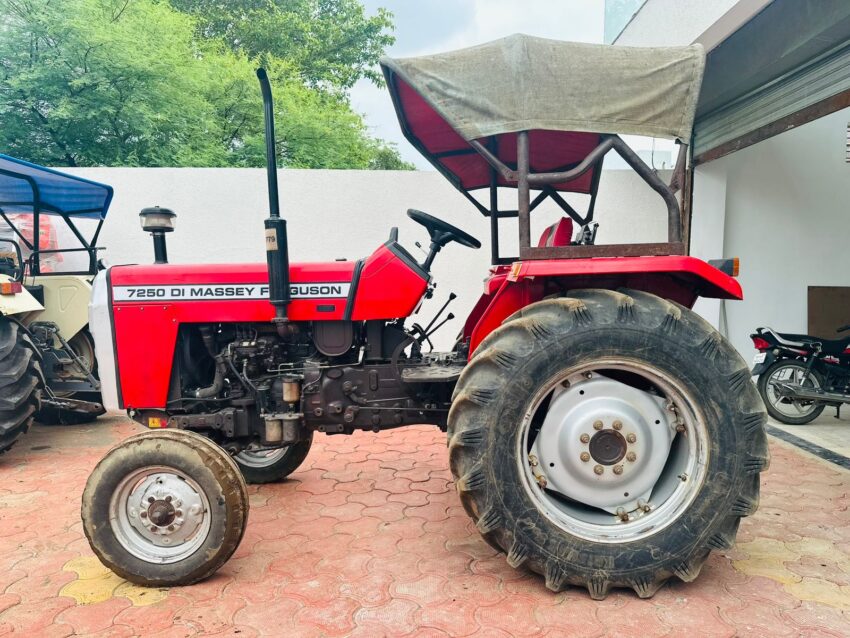
Buying farm equipment is never a small decision. Whether you’re cultivating a few acres or managing a larger agricultural operation, every investment affects your budget for years. That’s exactly why Used Tractors continue to attract farmers who want dependable performance without paying the price of a brand-new machine.
A well-maintained tractor doesn’t suddenly become useless because it has a few years behind it. In many cases, it still has thousands of productive hours left. Honestly, many people overlook this. They focus only on the model year instead of looking at how the tractor has actually been used and maintained.
Why Farmers Continue Choosing Used Tractors
There is a simple reason behind the growing demand. Farming costs rarely stay the same, while crop prices often fluctuate. Saving money on machinery gives farmers more flexibility for seeds, fertilizer, irrigation, or unexpected repairs during the season.
Many experienced farmers would rather buy a reliable pre-owned tractor from a trusted seller than spend significantly more on a new one that performs almost the same daily tasks. When the machine has a good service history, the difference in practical use is often smaller than people expect.
Lower Investment Without Sacrificing Productivity
One of the biggest advantages is financial comfort. Purchasing a used tractor generally requires a much smaller investment compared to a new model. That leaves room in the budget for additional equipment like cultivators, trailers, rotavators, or harvest attachments.
This balance matters because farming is rarely about owning the newest machine. It’s about having equipment that starts every morning and completes the job on time.
Depreciation Works in Your Favor
Every new tractor loses value during its first few years. When you purchase a used one, much of that depreciation has already happened.
That means if you decide to sell the tractor later, the resale value often remains relatively stable, provided the machine has been maintained properly. For many buyers, this becomes an unexpected financial advantage over the long run.
Checking the Tractor Before Buying
The appearance can be misleading. Fresh paint may hide years of heavy work, while an older-looking tractor could be mechanically excellent.
A careful inspection usually includes:
- Engine starting performance
- Exhaust smoke color
- Hydraulic lifting capacity
- Transmission operation
- Steering response
- Brake efficiency
- Tyre condition
- Oil leakage around engine and gearbox
You notice it quickly once you start using it. Smooth controls often tell more than polished body panels.
Service Records Tell the Real Story
Maintenance history is one of the most valuable pieces of information when evaluating used tractors.
Regular engine oil changes, filter replacements, hydraulic servicing, and scheduled maintenance usually indicate that the previous owner cared about the machine. Missing records do not always mean the tractor is bad, but documented servicing certainly adds confidence.
That part surprised me too when comparing different listings. Two tractors with similar hours can feel completely different simply because one received consistent maintenance.
Engine Hours Matter More Than Age
Many first-time buyers pay attention only to the manufacturing year. In reality, operating hours usually provide a much clearer picture.
A tractor used occasionally for light agricultural work may have fewer engine hours than a newer machine that worked continuously on commercial farms. Understanding how the tractor was used is often more useful than knowing how old it is.
Finding the Right Size for Your Farm
Choosing the biggest tractor available isn’t always the smartest move.
Small farms generally benefit from compact models that consume less fuel and maneuver easily around narrow fields. Medium-sized farms often require more horsepower for heavier implements, while larger operations may need powerful tractors capable of handling demanding workloads throughout long working days.
Matching horsepower with actual farming needs helps reduce operating costs.
Fuel Efficiency Still Makes a Difference
Fuel expenses continue every season. Even small improvements in fuel economy can make a noticeable difference over years of use.
Many reliable used tractors have earned strong reputations because they combine steady pulling power with reasonable diesel consumption. Experienced operators often value consistent efficiency more than flashy technology.
Spare Parts Availability Should Never Be Ignored
Before making any purchase, check whether spare parts are easily available in your region.
Popular tractor models usually have better access to replacement filters, hydraulic components, clutches, electrical parts, and engine accessories. Repairs become faster and often less expensive when parts are readily available through local dealers or independent suppliers.
Buying From a Trusted Source Adds Confidence
The seller matters almost as much as the tractor itself.
Reputable dealers generally inspect machines before listing them for sale and may even provide limited warranties or service assistance. Private sellers can also offer excellent tractors, but buyers should spend extra time verifying ownership documents and maintenance history.
A transparent seller willingly answers questions instead of avoiding them.
Common Mistakes First-Time Buyers Make
Many buyers become excited after seeing a low price and forget to inspect the machine properly.
Some common mistakes include:
- Ignoring engine noise
- Skipping a test drive
- Not checking hydraulic performance
- Forgetting ownership documents
- Overlooking tyre replacement costs
- Buying without comparing similar models
Avoiding these mistakes usually saves much more money than negotiating a slightly lower purchase price.
Modern Features Can Still Be Available
Not every used tractor is outdated.
Many recent pre-owned models include comfortable operator seats, power steering, four-wheel drive, efficient hydraulic systems, better lighting, digital instrument panels, and improved safety features.
Depending on the model, buyers can enjoy modern convenience without paying the premium associated with brand-new equipment.
Seasonal Timing Can Influence Better Deals
The time of year sometimes affects pricing.
After harvest or before the next planting season, more tractors may appear in the market as farmers upgrade or adjust their equipment. Having patience during these periods can create opportunities to compare more options and negotiate better prices.
Waiting a few extra weeks occasionally results in finding a machine that better matches both the budget and farming requirements.
A Practical Investment That Keeps Delivering
Used tractors continue proving their value because agriculture depends on reliability more than appearance. A machine that starts consistently, pulls equipment efficiently, and receives proper maintenance often becomes one of the hardest-working assets on a farm.
Instead of focusing only on age or cosmetic condition, evaluate performance, maintenance history, operating hours, and overall mechanical health. Taking the time to inspect carefully usually leads to a purchase that supports productive farming for many seasons ahead.
https://www.launchora.com/story/save-more-with-a-quality-used-tractor-for-your-agricultural-needs