
Most people who are referred for an emg ncv test have one immediate question: what exactly is this going to tell my doctor? It is a fair question, and the answer is more specific and clinically useful than many patients expect. These two tests together, electromyography and nerve conduction velocity testing, generate a detailed picture of how the body’s electrical systems are functioning at the nerve and muscle level.
The nerve conduction velocity portion of the test measures the speed and strength of electrical signals traveling through specific nerves. Electrodes are attached to the skin, a mild stimulus is applied, and the equipment records how fast the signal travels from point to point along the nerve. A healthy nerve conducts quickly and strongly. A compressed or damaged nerve slows down, and that slowing shows up clearly in the data.
How Does the EMG Portion Differ From the Nerve Conduction Test?
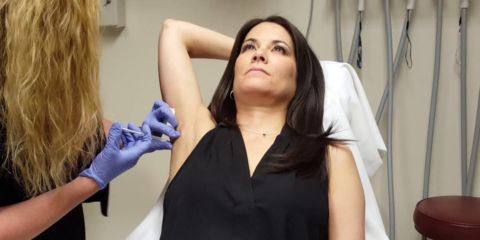
Electromyography looks at the receiving end of that signal, the muscle. A very thin electrode, similar to an acupuncture needle, is placed into a muscle to record its electrical activity at rest and during contraction. Normal muscles are quiet at rest. Muscles with nerve damage produce spontaneous electrical discharges. Muscles with primary muscle disease show different patterns altogether. This distinction is clinically significant because it separates nerve-origin problems from muscle-origin problems, which are treated very differently.
Together, the EMG NCV testing protocol can identify the presence, type, and severity of nerve or muscle dysfunction. This guides referring physicians toward more targeted treatment rather than trial-and-error approaches. Conditions that are routinely diagnosed or ruled out through this combined test include carpal tunnel syndrome, ulnar nerve compression, radiculopathy from herniated discs, peripheral neuropathy, and plexopathies.
Can This Test Pinpoint Exactly Where Along a Nerve the Damage Is?
One aspect that often surprises patients is how anatomically specific the results are. The test can indicate not just which nerve is affected but also where along its course the damage or compression is occurring. For example, a patient with hand numbness might show slowing in the ulnar nerve specifically at the elbow, pointing to cubital tunnel syndrome rather than a spine problem. That level of localization changes the entire treatment path.
The test itself is performed in a clinical setting by trained specialists. At California Sports and Rehab, Dr. Tina Hakimian and Dr. Kamran Hakimian conduct each study with direct physician involvement, from setup through interpretation. This is important because the accuracy of an EMG and NCV test depends heavily on the examiner’s technique and clinical knowledge. A poorly performed study can miss findings or produce misleading data.
Is the EMG NCV Test Covered by Insurance and How Uncomfortable Is It?
Most patients find the test less uncomfortable than anticipated. The NCV portion produces a series of mild electrical sensations, similar to a light flick or static shock. The EMG needle insertion causes brief discomfort, but the electrode itself is very fine and the procedure is typically completed within 10 to 15 minutes per muscle group. Patients leave the appointment with results that their referring physician receives promptly.
Insurance coverage for EMG and NCV testing is widely available when ordered by a physician with documented clinical indication. California Sports and Rehab works with most insurance carriers, workers’ compensation cases, and personal injury files, making the test accessible for patients across the economic spectrum.
When Should You Actually Consider Getting This Test?
If you are experiencing unexplained numbness, tingling, weakness, or pain in the arms, hands, legs, or feet, and it has persisted for more than a few weeks, an EMG and NCV evaluation is worth discussing with your doctor. California Sports and Rehab has served thousands of patients across Los Angeles with this testing. To learn more about the clinic’s approach and diagnostic expertise, visit the about page or call 310-652-6060 today.