
International trade involves multiple documents, procedures, approvals, and regulatory requirements. Businesses involved in importing or exporting goods need to maintain accurate records and establish clear internal processes to reduce compliance-related issues.
Good documentation is not simply about keeping paperwork for regulatory purposes. It also helps businesses understand their transactions, track goods, communicate with customs authorities, and identify areas where processes can be improved.
A structured approach to trade documentation can make day-to-day operations easier and provide a clearer record of business activities. Companies can also review their customs compliance practices regularly to identify gaps before they become operational problems.
Why Is Documentation Important in Trade Compliance?
Accurate trade documentation provides a record of commercial and logistical activities. Depending on the nature of a transaction, businesses may need invoices, shipping documents, declarations, licences, certificates, and other supporting records.
Inconsistent information across documents can create delays and additional review. Businesses should therefore establish procedures for preparing, checking, storing, and updating documents.
Good export documentation can also help teams respond more efficiently when information is requested by customers, logistics providers, or regulatory authorities.
How Can Businesses Improve Their Internal Processes?
Clear internal procedures help employees understand who is responsible for each compliance activity. Businesses can document responsibilities for preparing declarations, reviewing documents, maintaining records, and communicating with relevant parties.
Internal compliance controls should be practical and appropriate to the size and nature of the business. Regular reviews can help identify outdated procedures, missing records, or unclear responsibilities.
Businesses can also use checklists and approval workflows to create consistency. These tools can support customs procedures by making important steps easier to follow.
What Role Does Risk Assessment Play?
A regular risk assessment can help businesses identify activities that may require additional attention. Risks may arise from incorrect product information, incomplete documents, supplier issues, classification concerns, or weaknesses in internal processes.
The purpose of a risk assessment is not only to identify problems but also to determine appropriate controls. Businesses can prioritize areas that have a greater potential impact on compliance and operational continuity.
Risk reviews can also be connected with supply chain security, particularly when goods pass through several suppliers, logistics providers, warehouses, and transportation networks.
How Does Supply Chain Security Support Compliance?
Supply chain security is an important part of modern international trade. Businesses may need to understand how goods and information move through different stages of the supply chain.
Companies can establish procedures for supplier verification, access management, shipment monitoring, record keeping, and incident reporting. These measures can support stronger customs compliance and improve visibility across trading activities.
A secure supply chain also benefits from clear communication between internal departments and external service providers.
What Is the Importance of AEO Registration?
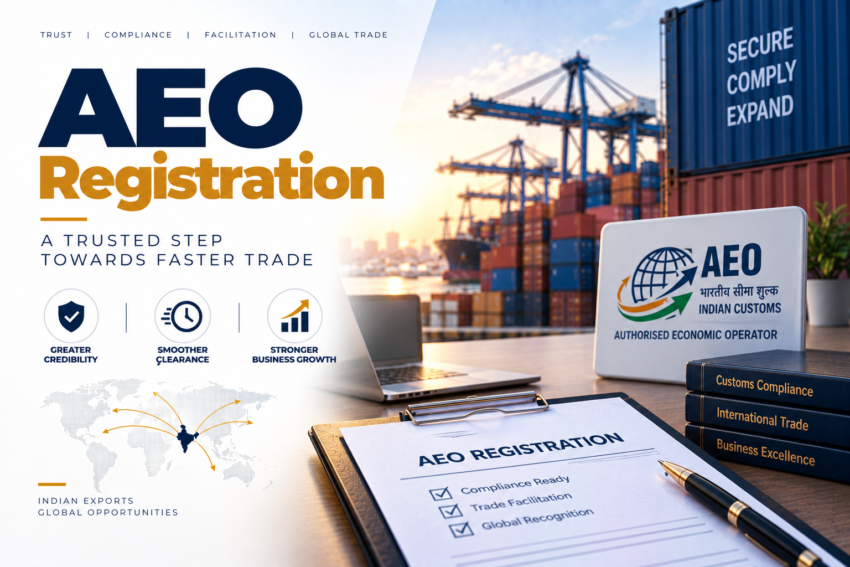
Businesses that regularly participate in international trade may explore AEO Registration as part of their broader approach to customs compliance. The Authorised Economic Operator framework is associated with businesses demonstrating appropriate standards relating to compliance, record keeping, and supply chain security.
Before beginning the process, businesses should understand the applicable requirements and assess their existing systems. The AEO application process generally requires an organization to examine its procedures and supporting documentation carefully.
A well-organized AEO application process can therefore encourage businesses to review their existing compliance framework rather than treating an application as a standalone administrative task.
How Should Export Obligations Be Managed?
Businesses operating under export-related authorisations or schemes should maintain clear records of their export obligation requirements. Relevant documents should be organized so that transactions can be traced and supporting information can be retrieved when required.
Monitoring the export obligation throughout the applicable period can help businesses identify incomplete requirements early. Responsibility for monitoring should be clearly assigned within the organization.
Proper export documentation can also support the review process by providing evidence of relevant transactions and activities.
Why Are Customs Procedures Important?
Businesses should maintain a clear understanding of the customs procedures that apply to their activities. Different transactions may involve different documentation, declarations, classifications, and approval requirements.
Employees responsible for trade activities should receive appropriate guidance on these procedures. Internal training can help reduce mistakes caused by misunderstandings or inconsistent practices.
Regularly reviewing customs procedures is also useful because business operations, suppliers, products, and regulatory requirements can change over time.
What Is Involved in Licence Closure?
When an export-related licence or authorisation reaches the end of its applicable period, businesses may need to complete specific licence closure activities. The exact requirements can depend on the relevant scheme and applicable regulations.
Records should be checked before beginning licence closure to ensure that the business has supporting documentation for the relevant transactions and obligations.
For businesses dealing with an Advance Licence, understanding the relationship between export requirements, documentation, and closure procedures is particularly important. Advance License EODC refers to the Export Obligation Discharge Certificate associated with the completion of applicable export obligations under an Advance Authorisation.
Businesses should ensure that records supporting the relevant Advance License EODC process are properly maintained and that required documentation can be produced when needed.
How Can Businesses Maintain Better Compliance Records?
Good record management should be part of everyday operations rather than something performed only before an audit or regulatory review. Businesses can establish centralized systems for storing invoices, declarations, licences, shipping records, approvals, and correspondence.
Regular document checks can identify missing or inconsistent information. Maintaining organized trade documentation can also make internal reviews more efficient.
Companies should periodically assess whether their internal compliance controls remain appropriate for their current business activities. Changes in suppliers, products, markets, technology, or logistics arrangements may require processes to be updated.
How Can Businesses Create a Sustainable Compliance Process?
A sustainable compliance system combines documentation, employee responsibilities, risk management, and regular review. Businesses should avoid relying entirely on individual employees’ knowledge and instead create documented processes that can be followed consistently.
Regular risk assessment can help identify weaknesses, while supply chain security measures can address risks beyond the company’s immediate operations.
Businesses can also review their customs compliance records periodically to identify recurring errors or areas where additional training may be useful. This creates a continuous improvement approach to trade compliance.
Conclusion
Effective trade compliance depends on consistent documentation, clearly defined responsibilities, appropriate controls, and regular review. Businesses can strengthen their processes by maintaining accurate records, monitoring obligations, reviewing risks, and keeping procedures aligned with their current activities.
A structured compliance approach can make international trade processes easier to manage while providing businesses with better visibility over their documentation and regulatory responsibilities.
Businesses involved in international trade should regularly review their documentation and compliance processes. Maintaining organized records and clearly defined procedures can provide a stronger foundation for managing customs and export-related responsibilities.