
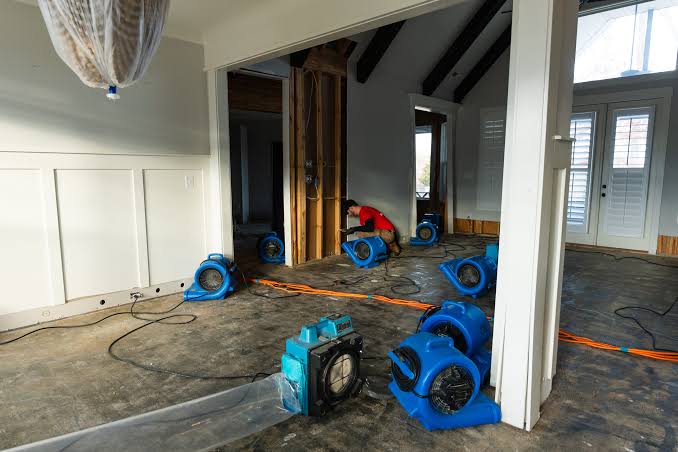
Water damage hits without warning. A burst pipe, leaking appliance, or severe storm floods your home in minutes. And honestly? The longer water sits, the worse it gets — floors warp, walls soak it up, furniture ruins.
That’s where water damage restoration companies step in. They don’t just remove water. They inspect everything, dry what you can’t see, clean properly, and repair the damage. Knowing how they work helps you make smart decisions when disaster strikes.
Start With a Careful Inspection
First thing pros do? Inspect everything. They need to know where the water came from and how far it traveled.
Here’s what most homeowners miss — water moves. It slides under flooring, creeps through walls, and pools in lower areas. A good inspection finds both visible and hidden moisture.
Technicians check:
-
Floors and carpets
-
Drywall and ceilings
-
Cabinets and furniture
-
Baseboards and trim
-
Insulation
-
Crawl spaces and hidden areas
This inspection tells them what needs cleaning, drying, repair, or full replacement.
Stop the Water Source
Before anyone starts cleanup, stop the water. A plumbing leak means shutting off the supply. A damaged appliance needs disconnecting — but only when it’s safe.
Storm water? Different story. Damaged roofing, blocked drainage, or foundation openings let more water in. Pros fix these first so you’re not bailing a sinking ship.
Remove Standing Water Fast
Standing water soaks into everything porous. Carpet, wood, drywall, furniture — they all absorb water and become harder to save over time.
Water damage restoration companies use pumps, wet vacuums, and extraction equipment. The right gear depends on how much water and where it spread.
But here’s the thing — removing visible water doesn’t finish the job. Materials still hold moisture even when surfaces look dry. That’s why drying comes next.
Dry Everything Thoroughly
Drying is where the real work happens. Leave moisture behind, and you’re inviting mold, odors, and structural damage.
Pros set up air movers and dehumidifiers to boost airflow and pull moisture from the air. They monitor everything during the process.
Some spots need extra attention. Under flooring. Behind cabinets. Inside walls. Water damage restoration companies use moisture meters to find these hidden damp areas — because surfaces can look perfectly fine while still being wet inside.
Clean Affected Surfaces
Water leaves dirt, debris, and nasty odors behind. The cleaning approach depends on the water type.
Clean supply-pipe water? Basic cleaning works. Sewage backup or outside flooding? That needs serious disinfection because it carries contaminants.
Hard surfaces usually clean up fine. Porous materials need careful evaluation — they absorb contaminants deep inside. Sometimes they can be saved. Sometimes they need removal.
Check for Hidden Moisture
This is the sneaky part. A wall looks normal, but moisture hides behind it. A floor seems dry, but water sits trapped underneath.
Hidden moisture causes swelling, warping, and odors. It also makes repairs harder later.
That’s why water damage restoration companies inspect with moisture-detection equipment. Finding hidden water early saves you from bigger problems down the road.
Restore Damaged Materials
Property dry and clean? Now comes repair.
Some materials just need cleaning and drying. Others need partial or complete replacement. Damaged drywall that’s absorbed serious water? Gone. Warped flooring? Replaced. Cabinets and wood need evaluation too.
The goal isn’t replacing everything automatically. Good pros assess each material and only replace what can’t be safely restored.
Reduce the Risk of Mold
Moisture control matters after water damage. Mold develops when damp conditions stick around too long.
Proper drying cuts this risk dramatically. But watch for musty odors, visible growth, or areas that stay damp after cleanup.
Already have mold? That needs separate remediation. Simply wiping visible growth doesn’t fix the moisture problem that caused it. Keep the property dry — it’s your best defense.
When Should You Call a Professional?
Not every small leak needs pros. A minor spill you clean immediately? Handle it yourself.
But larger water losses? Different story. Call water damage restoration companies when:
-
Standing water covers a large area
-
Water might be contaminated
-
Electrical systems could be affected
-
The leak source is unclear
-
Strong odors remain after cleanup
-
Materials are badly damaged
-
Moisture stays after basic drying
They bring specialized equipment and experience that goes way beyond household cleanup.
Prevent Future Water Damage
Restoration done? Good. Now figure out why it happened.
Check plumbing connections, washing machine hoses, water heaters, and sump pumps regularly. Fix small leaks before they become floods. During severe weather, make sure water flows away from your foundation. Keep gutters clear.
Regular maintenance won’t prevent every emergency, but it stops the avoidable ones.
FAQ
How long does water damage restoration take?
Minor damage might dry in 2–3 days. Major flooding with repairs can take weeks. It depends on how far the water spread and what materials got hit.
Can I do water damage restoration myself?
Small, clean spills — sure. But water inside walls, contaminated water, or large areas need professional equipment and training. Don’t gamble with your health.
Does insurance cover water damage restoration?
Usually, yes — but it depends on your policy and the water source. Sudden pipe bursts typically qualify. Gradual leaks often don’t. Call your insurer immediately.
Final Thoughts
Water damage goes deeper than what you see on the surface. Moisture travels into walls, floors, furniture, and hidden spaces. A proper restoration process handles everything from inspection through drying and repairs.
Understanding how water damage restoration companies work helps you act fast and smart. Remove standing water quickly, dry affected areas thoroughly, and check for hidden moisture. Do it right, and you’ll limit the damage while getting your home back to normal sooner.